The old Google model was powerful because it controlled the route to information. The new model may be more powerful because it tries to become information’s first finished draft.
That is what makes AI Overviews strategically serious. They do not simply rank links more efficiently. They can absorb the user at the answer layer, reducing the need to click out to the publishers whose work made the answer possible in the first place.
For Hidden Fortunes, this is the next move in the Google empire. The company may be shifting from the monopoly of beginning to the monopoly of conclusion. Google’s default empire already showed how controlling the entry point to information could become one of the most valuable structural advantages in business history — AI Overviews extend that logic one layer deeper.
The World Before the Fortune

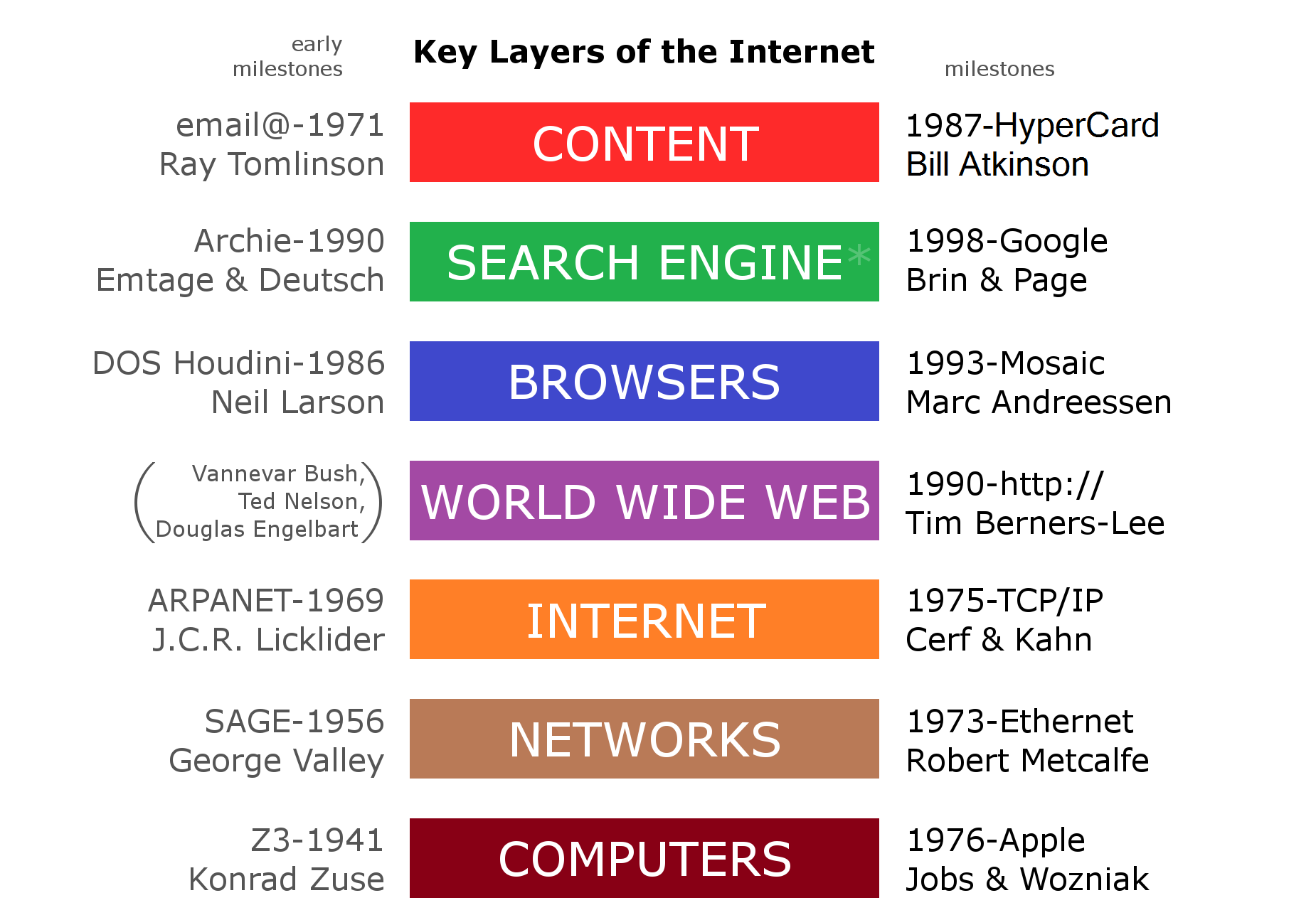
Classical search power lived in intermediation. Search engines ordered the web, displayed relevant links, and monetized the journey between curiosity and destination. That already created formidable leverage. A company controlling the doorway to information could shape traffic, advertising economics, and default user behavior.
AI Overviews add a more ambitious layer. Instead of merely sending the user onward, the search interface can summarize, synthesize, and partially conclude the informational task before a publisher is ever visited. This changes the structure of dependence between search engine and web ecosystem.
The difference is subtle but enormous. A gateway business still relies on movement. An answer business can profit even while reducing movement. That changes the bargaining position of everyone downstream.
The Rise

Google’s move into AI-generated overviews arrived in a market already trained to trust the search box. That trust matters because the shift would be harder if users did not already treat the interface as an authoritative starting point. The company built its new answer layer on top of an old attention monopoly.
Recent studies and publisher reporting sharpen the concern. If AI Overviews capture more of the informational interaction inside Google’s own interface, publishers may see reduced visibility, weaker click-through, and thinner economic reward for producing specialized content. The user experience may look smoother while the ecosystem beneath it becomes more fragile.
This is why the change should not be treated as a mere feature release. It is a structural test of whether the platform that once indexed the web can now harvest more of the value generated by the web without sending as much traffic back. Once Google’s next layer of power moves beyond control of the doorway to control of the answer itself, every later decision becomes easier to understand.
The Expansion of Power

If the system scales, Google’s power becomes more editorial than before. It does not only decide whose link is ranked high. It increasingly decides what synthesis appears first, which sources are cited, how visible those citations are, and when the user feels “finished enough” to stop exploring.
That is a profound strategic shift. Search ranking is influential, but it still leaves room for the publisher’s page to complete the experience. Answer synthesis can collapse the distance between query and conclusion. Once that happens, Google sits not just above the information economy but partially inside it, rewriting the terms on which other producers participate.
The business upside is obvious. More user time remains inside the interface. More dependency settles at the platform layer. More pressure falls on content creators to keep feeding a system that may return less direct reward. That is how ecosystem power matures into a more self-contained empire — the same logic Rockefeller used with pipelines: control the route everyone needs, and the terms of access become yours to set.
The Hidden Strategy Behind the Fortune

The hidden strategy behind the fortune is answer ownership after gateway ownership.
Google already controlled how many users began. AI Overviews may let it influence how many users feel the journey is complete. That is a different and potentially deeper form of leverage. The platform no longer simply allocates attention among publishers; it increasingly decides how much attention publishers receive at all.
This matters because editorial power has always been economically valuable. Whoever shapes the first framing of a question influences the entire downstream market of interpretation, trust, and click behavior. AI Overviews move Google closer to that role. De Beers showed a comparable logic in diamonds — once you control the point at which desire is defined, the entire chain below adjusts to your terms. The data center debt machine reveals how the physical infrastructure underpinning this shift is itself being financialized at scale.
The Cost, Risk, or Collapse
The cost is ecosystem fragility. If publishers produce less because the economic return weakens, the system may slowly erode the quality and diversity of the very material it depends on. In the short term, the platform wins efficiency. In the long term, it may damage the production base beneath the interface.
There is also a legitimacy risk. A company deciding what gets synthesized, what gets omitted, and how confidence is signaled begins to inherit responsibilities closer to editorial judgment than simple indexing. That raises new questions about bias, accuracy, and accountability.
These tensions make the AI Overviews story more than a tech feature story. It is a power-structure story about who gets to summarize the world and still call that process neutral. Observers often mistake temporary dominance for inevitability — but the very technique that creates power will later attract scrutiny or overreach.
Lessons for Modern Business Readers

1. Gateways often seek the next layer of control
Once a platform owns the path to a market, it usually tries to capture more of the value inside the market itself.
2. Synthesis is not neutral
The act of summarizing information changes power because it influences what looks complete, credible, or important.
3. Ecosystems can be exploited by their own organizers
A platform may strengthen itself by weakening the economic health of the producers below it.
4. Editorial power can emerge from product design
You do not need to call yourself a publisher to shape what millions of people read first.
5. Efficiency can hide extraction
A smoother user experience may still transfer value away from the parties generating the underlying knowledge.
6. Control of the answer may outgrow control of the link
The next great platform advantage may come from reducing the need to click away at all.
Book Recommendation
For readers who want the best next step, start with The Curse of Bigness by Tim Wu. It is the clearest account of how antitrust thinking has failed to keep pace with platform monopolies — and it helps extend the strategic logic behind this article into the policy and legal dimensions that will shape how the story ends.