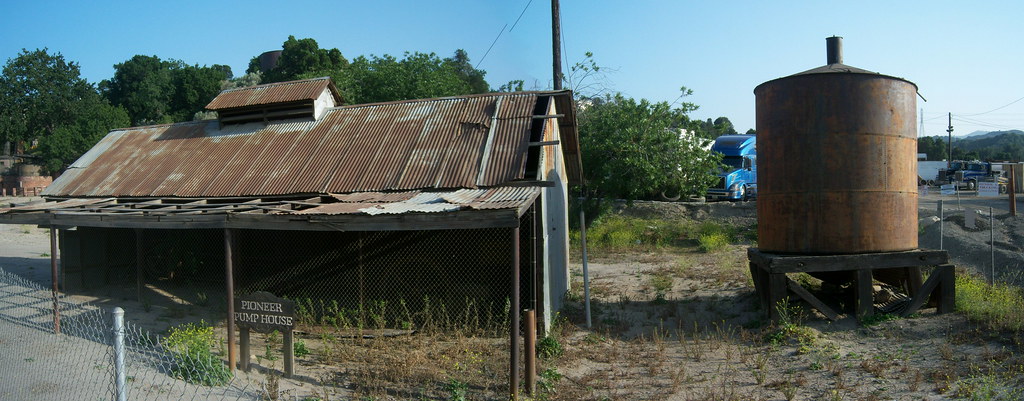
America’s oil boom did not begin as an empire. It began as noise. Wells surged, speculators crowded in, prices swung violently, and fortunes appeared and vanished with almost theatrical speed. To many men, that chaos looked like freedom. To John D. Rockefeller, it looked like waste.
He was not seduced by the romance of gushers. He was drawn to the invisible parts of the business: refining, freight, storage, coordination, and cost. Where others chased excitement, Rockefeller built control. That choice changed not only his fortune but the shape of American capitalism.
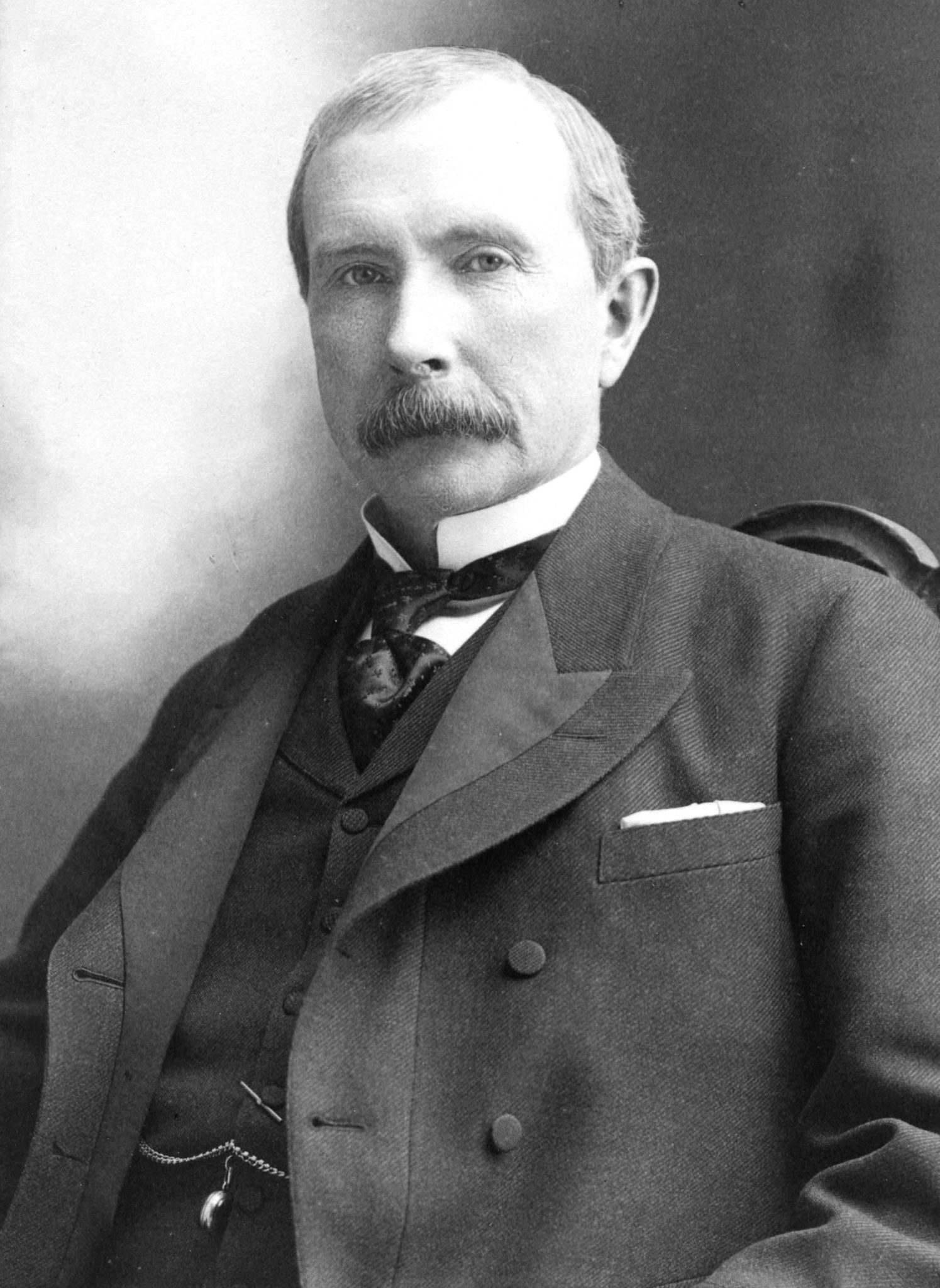
Rockefeller became one of the richest men in history because he understood a hard strategic truth early: in a frantic new industry, the calmest operator often owns the future.
The World Before the Fortune
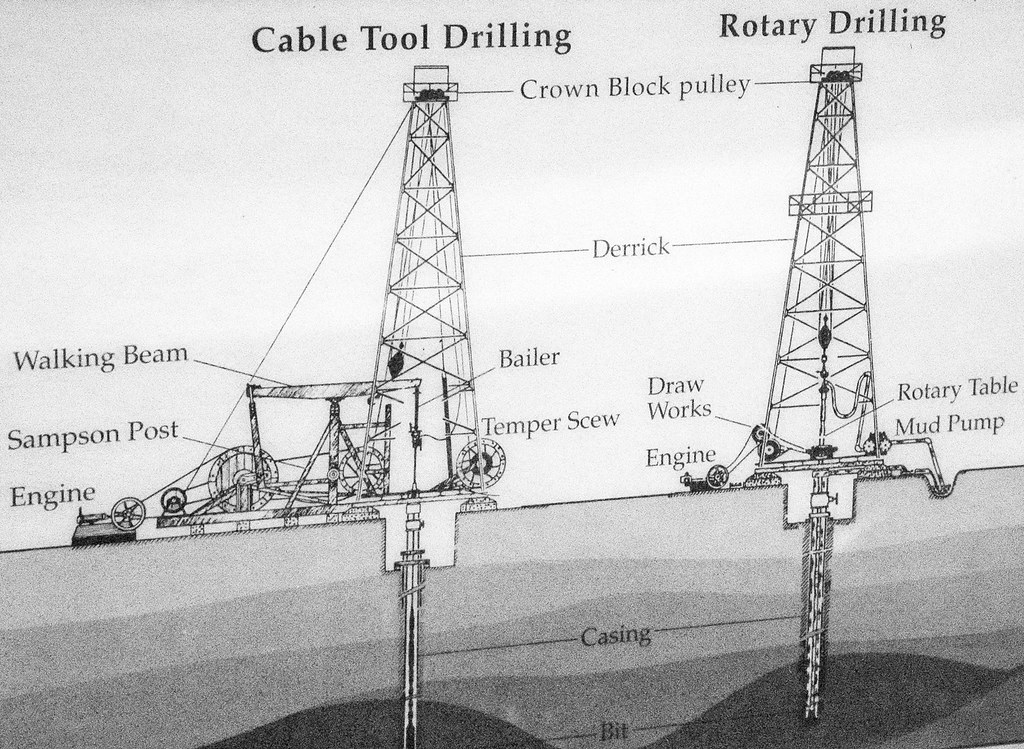
Before Standard Oil dominated the industry, oil was a frontier business with the temperament of a gambling hall. The discovery of petroleum in Pennsylvania opened extraordinary possibilities, but the sector was plagued by instability. Producers overdrilled, refiners multiplied too quickly, transportation costs were punishing, and information moved unevenly.
This was the kind of environment that produces legends and wreckage at the same time. The visible money seemed to be in production, because wells created headlines and drama. But production was only one layer. The deeper opportunity lay in organizing the chaos after the crude came out of the ground.

Rockefeller’s insight was to treat oil not as a romance but as a system problem. If prices were unstable, he would lower costs. If transport was expensive, he would negotiate power over transport. If rivals were weak, he would acquire them or outlast them. That mentality turned disorder into an operating advantage.
In every age, the future fortune begins inside disorder, partial information, and a market that still looks too unstable for cautious outsiders. The eventual winner is often the operator who can look past the noise and identify which layer of the system will still matter after the frenzy burns off.
The Rise
Rockefeller entered refining in Cleveland in the 1860s, and the location mattered. Cleveland offered rail connections and access to a growing industrial economy. More important, refining rewarded precision. Barrels had to move, byproducts had to be used, and waste had to be cut.
In 1870 he organized Standard Oil, and the name itself carried the ambition. Standard meant reliability, consistency, and control. It implied that the company would define the benchmark in a field still crowded with improvisation. Rockefeller and his partners pushed for lower costs, tighter bookkeeping, and strategic expansion with a severity that frightened weaker operators.

The company grew through acquisitions, alliances, and negotiated railroad terms that helped it move product more efficiently than rivals. Some of those methods remain deeply controversial. But strategically, the pattern is clear: Rockefeller kept converting local advantage into national leverage until the structure itself became hard to challenge.
The Expansion of Power
Standard Oil expanded beyond refining because Rockefeller understood that dependence is where margins become fragile. If railroads could squeeze refiners, then transport had to be influenced. If storage could become a bottleneck, storage had to be controlled. If pipelines mattered, pipelines had to belong to the system.
That approach made Standard more than a large company. It made it a coordinating force inside the industry. Competitors found themselves facing not just a rival refiner, but a web of facilities, contracts, and distribution advantages that reinforced each other.
By the 1880s, the company had become so powerful that it needed a new legal form to manage itself. The Standard Oil Trust reflected more than organizational cleverness. It showed that the business had outgrown ordinary categories — the empire was now large enough to provoke a national argument about whether private efficiency had become too politically powerful.
The Hidden Strategy Behind the Fortune
The hidden strategy behind Rockefeller’s fortune was control of the chokepoints. He did not need to own every well. He needed to dominate the processes that turned oil into a scalable national business. Once he controlled enough of the pipes, tanks, routes, and refineries, production itself became easier to discipline.
This is the difference between participating in an industry and governing its economics. Rockefeller’s genius was not merely concentration. It was selecting the points of leverage where concentration mattered most. A less disciplined entrepreneur might have chased visibility. Rockefeller chased dependency.

He also understood the emotional side of business strategy. Chaos exhausts rivals. Predictability attracts capital. Standard Oil looked powerful partly because it looked calmer than the rest of the market. That calm was a competitive weapon. Investors trusted it, suppliers feared it, and opponents had to respond to its timetable rather than their own.
The richest systems often appear boring from the inside. They are built on process, not spectacle. If you can standardize costs and own the bottlenecks, you do not have to win every battle loudly. You simply make yourself impossible to route around.
The Cost, Risk, or Decline
The force that built Standard Oil also guaranteed political backlash. Americans could admire efficiency and still fear concentrated private power. Journalists, reformers, and regulators increasingly treated the company as the symbol of monopoly capitalism.

The Supreme Court’s 1911 breakup did not erase Rockefeller’s fortune. In some ways, his holdings remained extraordinarily valuable. But the moment is still essential. It proved that the strongest private system in the market could still be forced apart when the state decided scale had become too dangerous.
Many wealth systems become most impressive at the exact moment they are also becoming morally brittle, politically exposed, or structurally overconfident.
Lessons for Modern Business Readers
1. Build around the bottlenecks
Rockefeller’s empire grew because he controlled refining, transport leverage, storage, and distribution. Modern founders should identify the points where the entire system can be influenced, not just the product everyone sees.
2. Operational discipline compounds faster than charisma
He won by counting costs, reducing waste, and repeating good processes. In many industries, those habits matter more than visionary theater.
3. Stability can be a premium product
Standard Oil’s consistency helped attract capital and intimidate competitors. In uncertain markets, predictability itself becomes a source of power.
4. Vertical integration is strongest when it removes strategic vulnerability
Owning more of the chain is not automatically smart. It becomes smart when each added layer protects margins and bargaining power.
5. Public legitimacy matters
A company can be brilliantly designed and still provoke a political response that changes its future. Strategy should account for regulators and public mood long before crisis arrives.
6. The visible product is often not where the deepest power sits
Oil made Rockefeller famous, but control systems made him rich. Every modern industry has its own version of routes, chokepoints, permissions, and recurring flows. The challenge is to identify them early and build enough discipline around them that success compounds instead of dispersing.
Book Recommendation
For readers who want the best next step, start with Titan by Ron Chernow. It is the right Amazon follow-up for this topic because it gives the wider historical context behind the fortune, the machinery of power, and the strategic logic that made the story endure.