The real moat was not only the slaughterhouses. It was cold-chain control over time, distance, and perishable inventory.
In 1875, Gustavus Swift hired an engineer to design a refrigerated railcar that could ship dressed beef from Chicago to the East Coast without spoilage. The idea was considered eccentric. Established railroads had no interest in refrigerated transport — they earned more from shipping live cattle, which required feed cars, water stops, and handling at every station. The existing system was profitable for the railroads and for the local butchers who slaughtered animals near the point of sale.
Swift built his own refrigerator cars, organized his own distribution depots with ice machines, and created the first continental cold chain in American history. Within a decade, he had broken the local butcher’s monopoly, driven prices down for consumers, and concentrated meatpacking into a small number of Chicago plants that would become the Meat Trust.
The lesson is not that technology disrupts incumbents. The lesson is that technology plus logistics infrastructure plus capital creates a new kind of chokepoint — one that is harder to see than a factory but more durable than any single plant.
The World Before the Fortune
Before refrigeration, fresh meat was fundamentally a local product. Cattle were driven to market cities or shipped live by rail, then slaughtered near the point of consumption. Every major city had its own slaughterhouses, its own livestock markets, its own network of local butchers.
This structure created stability for incumbents and significant inefficiency for everyone else. Live cattle lost weight during rail transport, consumed feed and water, and often arrived stressed and bruised, reducing meat quality. The cost structure rewarded proximity rather than efficiency.
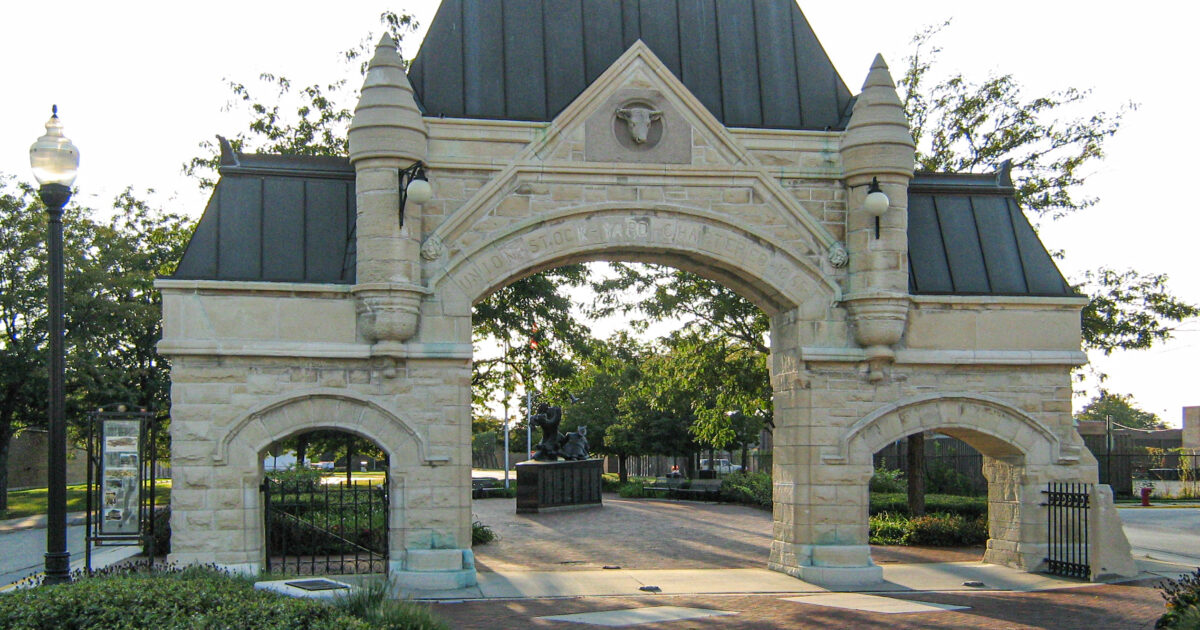
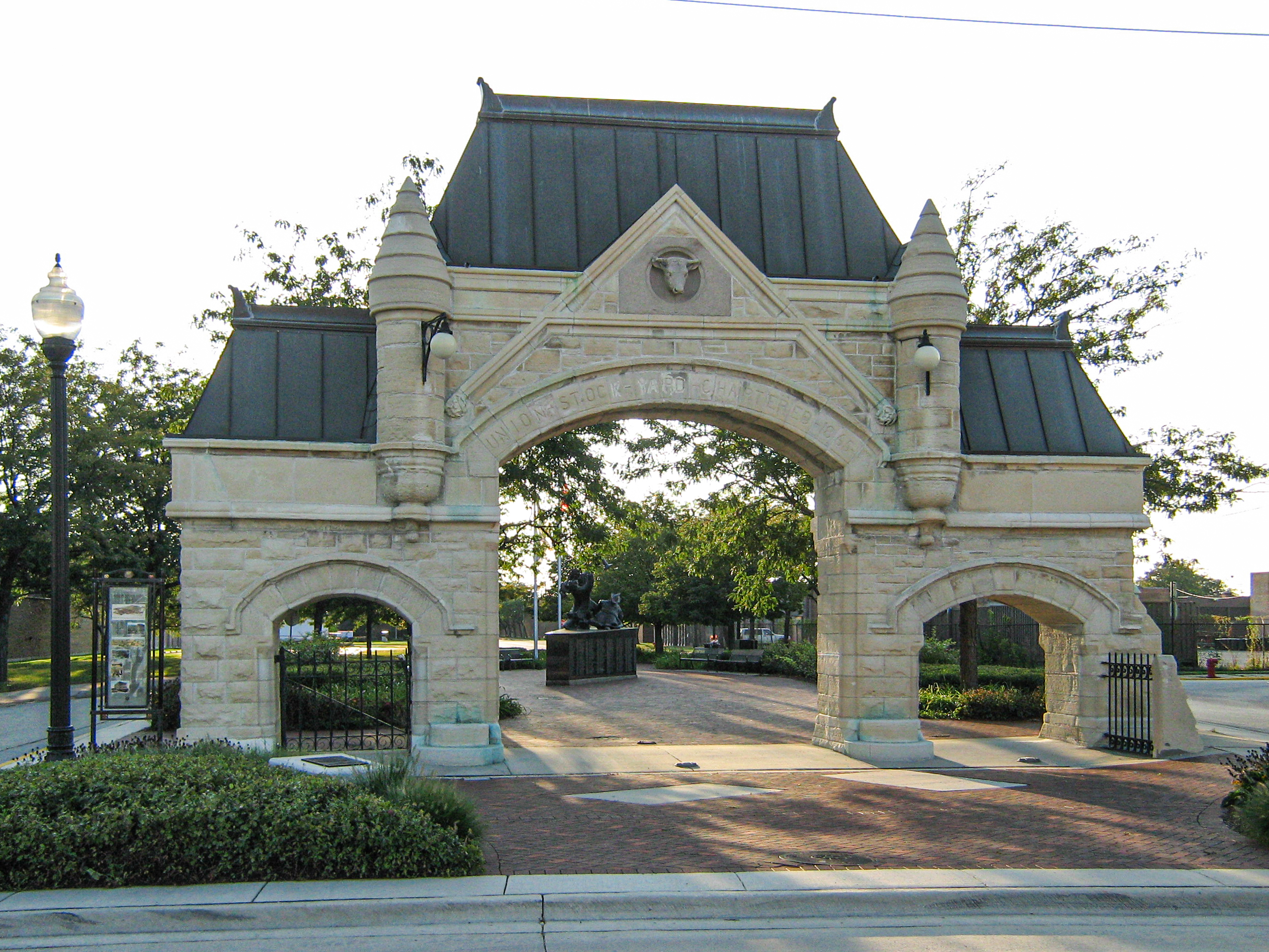
The Union Stock Yards in Chicago — opened in 1865 on sixty acres at the intersection of several railroads — began to concentrate the industry geographically. But even the stockyards were a market, not a monopoly. Hundreds of buyers, sellers, and processors competed within the yards. The integration that created the Meat Trust came later, through the combination of refrigeration and vertical control.
The Rise
Swift’s insight was that dressed beef shipped in refrigerated cars was cheaper, higher quality, and more consistent than live cattle shipped by conventional rail. He proved the economics and then built the infrastructure to exploit them.
The resistance was immediate. Eastern railroads refused to build refrigerator cars or to provide icing stations along their routes. Swift financed his own cars and negotiated access. Local butchers and Eastern cattle dealers lobbied state legislatures to require fresh local slaughter. Consumers initially resisted “Western beef” as inferior. Each obstacle was overcome not through lobbying alone but through the price differential that refrigerated Western beef created at the retail level.
Philip Armour saw the same opportunity and built a parallel system. The two companies — Swift and Armour — along with Morris, Hammond, and Cudahy — became the Big Five meatpackers. They collectively controlled the Union Stock Yards, the refrigerator car network, the ice plant infrastructure, and the distribution depots in every major Eastern city. Like Standard Oil’s pipeline strategy, the real power was not in the most visible assets but in the infrastructure that every buyer and seller had to pass through.
The Expansion of Power
By the 1890s, the Big Five operated what critics called the Beef Trust. The trust was not a formal holding company. It was a web of coordination: shared refrigerator car networks, common pricing signals at the livestock markets, joint distribution infrastructure, and what the Bureau of Corporations later documented as systematic market division.
The power of the arrangement came from control of the cold chain at multiple levels simultaneously. A cattle rancher in Texas could not sell to Eastern consumers without going through a meatpacker that controlled refrigerator cars and distribution depots. An independent packer could not compete without access to those same cars and depots. A retail butcher who wanted to offer Western beef had to buy from one of the Big Five.
The railroads, which had initially resisted refrigerated transport, eventually became dependent on the meatpackers’ volume. Just as telegraph operators had to relay messages through Western Union’s infrastructure, railroads increasingly had to negotiate with the meatpackers for access to their refrigerator car fleet. The infrastructure dependency inverted the initial power relationship.
The Hidden Strategy Behind the Fortune
The hidden strategy of the Meat Trust was control of the temperature interface.
Every unit of perishable food that moved from Midwestern production to Eastern consumption had to cross a threshold — from warm environment to cold chain and back to room temperature at point of sale. Whoever controlled the cold chain controlled the timing of perishable goods in transit. That control allowed the meatpackers to determine which product arrived when, at what quality, and at what price.
This is a structural position that recurs across the Hidden Fortunes archive. Steel’s chokepoint was the blast furnace and the rail network. Standard Oil’s chokepoint was the refinery and the pipeline. The Meat Trust’s chokepoint was the refrigerator car and the ice plant. In each case, the visible product — steel, oil, beef — was less important strategically than the infrastructure required to move it from production to market.
The Cost, Risk, or Collapse
The Meat Trust produced two kinds of costs that became politically unsustainable.
The first was worker conditions. The Chicago stockyards employed thousands of immigrants in dangerous, unsanitary work at low wages. Upton Sinclair’s 1906 novel The Jungle, written to expose labor conditions, shocked readers more with its description of food contamination than its portrait of worker exploitation. The public reaction to Sinclair’s account of diseased and contaminated meat being processed into consumer products contributed directly to the Pure Food and Drug Act of 1906 — one of the first major federal consumer protection laws.
The second was price fixing. The Bureau of Corporations investigated the meatpackers in 1905 and found systematic market division and pricing coordination. A series of antitrust actions followed, culminating in the Packers and Stockyards Act of 1921, which imposed federal oversight on the meatpacking industry and prohibited market manipulation.
The trust survived in modified form. The big meatpackers remained large. But the political cost of their cold-chain monopoly — paid in the form of regulatory oversight and public distrust — shaped the industry for decades.
Lessons for Modern Business Readers
Infrastructure control compounds independently of product competition. Swift and Armour competed on beef quality and price. Their durable advantage came from refrigerator car fleets and ice plant networks that competitors could not quickly replicate. The infrastructure moat outlasted any individual product advantage.
The company that builds the interface controls the flow. Cold-chain infrastructure was the interface between Midwestern production and Eastern consumption. Whoever built that interface first extracted value from every transaction that crossed it.
Consumer safety scandals are infrastructure risks. The Jungle’s impact on the meatpacking industry was not primarily about labor — it was about the contamination that cold-chain concentration made possible at industrial scale. When one system handles vast volumes of perishable goods, a single contamination event can become a systemic regulatory response.
Antitrust attention follows market power with a lag. The meatpackers built their coordinated system in the 1880s. Federal regulatory response began in earnest in 1905. The infrastructure was already built; what changed was the political cost of tolerating it.
Supply chain control is political influence. The meatpackers’ control of food prices — and their ability to coordinate on cattle purchasing — made them targets of Populist politics. Any company that controls access to a basic commodity at scale will eventually face political pressure proportional to its market power.
How This Fits the Hidden Fortunes System
The Meat Trust adds logistics and food monopoly to the Hidden Fortunes industrial empires cluster without duplicating the railroad, steel, or oil stories. It shows the cold-chain variant of the chokepoint strategy: controlling the physical interface between perishable production and distributed consumption.
It connects naturally to Standard Oil, U.S. Steel, and Western Union as variations on the same pattern: find the infrastructure through which a whole market must flow, own it before the market understands the strategic position, and extract value from every transaction that depends on it.
Conclusion
The Meat Trust shows how logistics infrastructure can be more durable than any product advantage. Swift and Armour did not merely build better slaughterhouses. They built a continental cold chain that made the local slaughterhouse economically obsolete — and then extracted value from everyone who wanted to participate in the new national food market they had created.
The cold chain was the moat. Every refrigerator car, every icing depot, every distribution terminal was a barrier to competition that had nothing to do with the quality of the beef inside.
Further Reading
For readers who want the full story of how Chicago’s meatpacking industry shaped American food, labor, and regulatory politics, Upton Sinclair’s The Jungle remains the most visceral account. For the business and financial architecture of the cold-chain empire, the broader history of the Swift and Armour dynasties shows how infrastructure investment compounded into one of the Gilded Age’s most durable industrial fortunes.
