
When a rocket company walks onto the Nasdaq, investors are not buying steel alone. They are buying orbit, bandwidth, defense access, launch frequency, recurring subscription revenue, and one of the most durable premiums in modern capital markets: the belief that Elon Musk can force reality to move faster than everyone else.
That is what makes the SpaceX IPO so revealing. On the surface, it looks like a blockbuster listing at a reported USD 135 per share, gross proceeds of roughly USD 75 billion, and an implied valuation near USD 1.77 trillion at the offering price. Underneath, it is a modern empire financing itself in public.
The World Before the Fortune
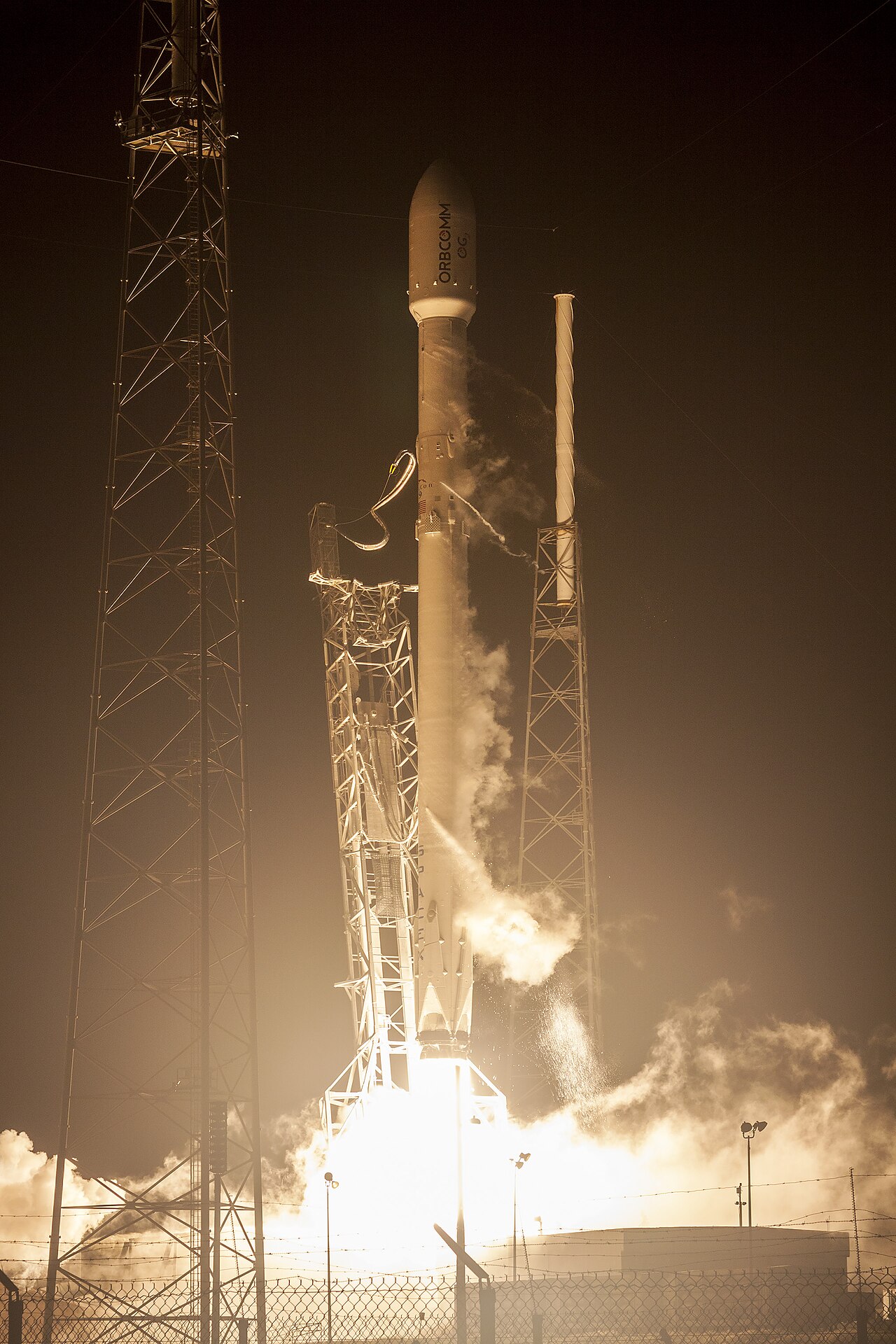
For most of modern market history, space companies occupied one of two categories. They were either defense contractors with government-heavy economics or speculative dreams with unstable revenue and heroic language. SpaceX escaped both boxes by building something more powerful: a layered infrastructure business.
The first layer was launch. Reusable rockets did not merely reduce costs — they restructured the cadence of access to orbit. The second layer was Starlink. Recurring broadband revenue made the company more legible to investors than a pure launch story ever could. The third layer was strategic relevance: governments, militaries, and communications planners began treating SpaceX less like an ambitious private firm and more like critical operating infrastructure.
That change matters because capital markets love infrastructure once it becomes believable. They may hesitate in front of a moonshot. They become much more interested when the moonshot appears to sit on top of subscription revenue, defense contracts, and a founder who has already taught investors to underestimate his willingness to spend aggressively for dominance.
The Rise of a Layered Empire
SpaceX’s rise worked because it did not remain only a rocket builder. It turned launch into the entrance fee for a much larger system. Reusable rockets gave the company a narrative of engineering inevitability. But that alone would not have justified trillion-dollar language.
Starlink changed the story. Launch is strategic, but network revenue is financier-friendly. A recurring subscriber base gives investors a clearer anchor than a pipeline of missions, even if the missions remain strategically important. Starlink helped convert SpaceX from a difficult-to-price engineering champion into something closer to a modern infrastructure utility with a growth premium attached.
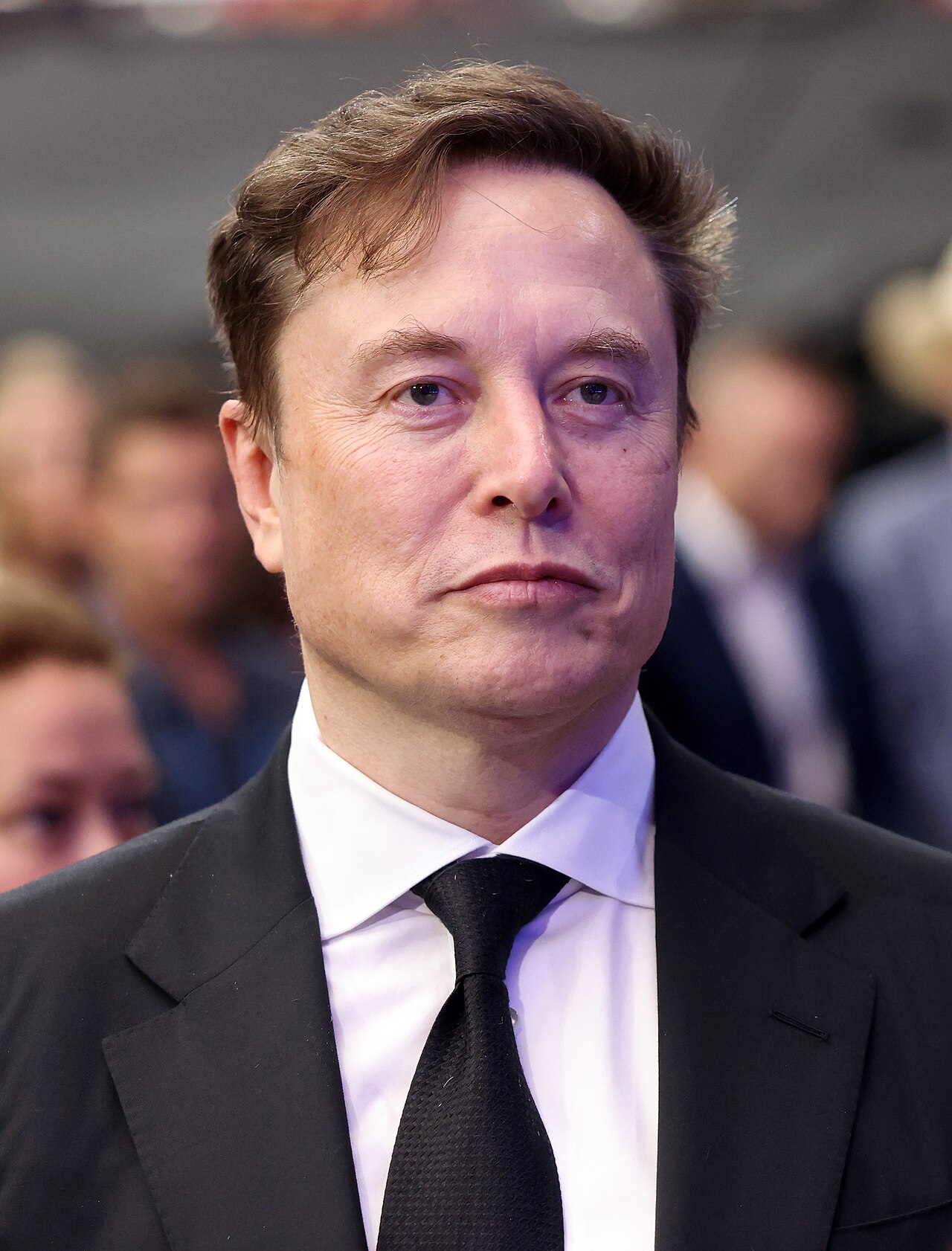
Then came founder mythology. Musk’s role is not simply celebrity — it is cost-of-capital compression. Markets routinely give him the benefit of a wider horizon and a bigger story than they would grant a less mythic executive. That matters because founder mythology lowers resistance to capital intensity. It lets investors imagine that today’s aggressive spend is tomorrow’s impossible moat. Understanding Musk’s Terafab gambit shows how that same dynamic plays out across his wider infrastructure empire.
By the time the IPO arrived, the market was not evaluating one company. It was evaluating a stack: launch dominance, Starlink recurring revenue, defense relevance, strategic communications infrastructure, and future optionality around AI and wider system integration.
The Expansion of Power

The most important thing about the SpaceX IPO is that it changes the financing architecture of the company. Private capital can fund ambition for a long time. But public markets can fund mythology at a much larger scale when the mythology is attached to infrastructure people believe the world will need.
This matters because the company is not selling a narrow present-tense business. It is selling a future in which multiple infrastructure layers reinforce one another: launch lowers deployment costs, lower deployment costs strengthen Starlink economics, stronger Starlink finances more infrastructure expansion, and more infrastructure creates more strategic dependence. This is the same compounding logic that the data center debt machine revealed in AI infrastructure — and it belongs in the same analytical frame.
Public investors are not merely buying a space story. They are buying a strategic platform story. The market is being asked to believe that SpaceX sits at the intersection of communications, defense, launch logistics, national-security relevance, and future digital infrastructure. Once float is limited and excitement is high, scarcity in tradable shares can magnify narrative enthusiasm well beyond near-term fundamentals.
The Hidden Strategy Behind the Fortune
The hidden strategy was to use one infrastructure layer to finance the next, until the company could sell the market a whole empire instead of a single business. SpaceX did not go public merely because it needed liquidity. It went public because it had assembled enough mutually reinforcing assets that public markets could now be asked to underwrite the next chapter of control.
The mechanism: launch dominance made SpaceX look operationally superior; Starlink made it look financially recurring; defense and sovereign relevance made it look strategically indispensable; Musk’s control made it look culturally oversized; and public markets then converted that whole stack into cheaper expansion capital.
This is why the article connects naturally to OpenAI’s infrastructure dependency and the AI Infrastructure Sovereignty Playbook: in all three cases, the real question is not whether the company is impressive — it is who owns the routes through which future power moves.
The market appears to be paying for the belief that SpaceX does not merely participate in future infrastructure. It may help define the routes through which future infrastructure moves.
The Cost, the Risk, and the Vulnerability

The reported valuation figures are enormous, but the market is still mixing several different languages at once: IPO valuation, first-day market cap, fully diluted framing, float scarcity, and future optionality. Those are not identical things, and sloppy coverage can make them sound more settled than they are.
Governance is another obvious risk. Current coverage indicates that Musk retained overwhelming voting control through supervoting stock, while public investors received far less real influence than their enthusiasm might suggest — a familiar modern problem: public money supporting private-style command. Alphabet’s $80 billion compute raise showed how even the largest tech giants face structural pressures that force similar financing trade-offs.
There is also the concentration risk tied tightly to Musk himself. Founder mythology lowers the cost of capital when sentiment is warm. It also raises fragility when judgment, succession, or reputation come into question. The best editorial version of this story keeps both the structural admiration and the structural caution visible at the same time.
Finally, Nvidia’s antitrust moment showed that infrastructure dominance attracts regulatory attention as well as investor enthusiasm. SpaceX’s control over launch access and satellite networks may eventually face the same scrutiny that comes when a private company appears to own routes everyone else needs.
Lessons for Modern Business Readers

1. Infrastructure beats spectacle when it creates dependency
The strongest businesses own the routes other people still need to use. SpaceX’s real strength is not drama — it is dependence. Launch access, Starlink bandwidth, and strategic communications are layers others cannot easily bypass.
2. Recurring revenue makes moonshots financeable
Starlink is one of the most important translation devices inside the whole empire. It turns a visionary company into something markets can value with a straighter face — and it made the IPO legible at a scale that a pure launch story never could have supported.
3. Founder mythology lowers the cost of capital
Musk’s premium changes what investors are willing to forgive, fund, and imagine. That is a major advantage in expansion phases. It also hides risk longer than weaker founders ever could — which is why structural analysis matters more than personality coverage.
4. Public markets reward believable control over the future
Investors increasingly want exposure to companies that appear to own future infrastructure layers. SpaceX’s IPO shows how powerful that desire becomes when the company seems to own several layers at once — and how quickly valuation climbs when the narrative clicks.
5. Governance still matters, especially when the story is thrilling
If public shareholders are underwriting long-duration infrastructure ambition, they should understand how much control they are actually buying. Supervoting structures can work brilliantly while conditions are favorable and become a serious problem when they are not.
6. The best empire stories are really financing stories
Empires scale when capital believes in them. The SpaceX IPO did not only validate the company’s past — it funded a larger claim on the future. That is the same lesson at the heart of the data center debt machine and every other Hidden Fortunes infrastructure story: whoever controls the financing architecture controls what gets built next.
For readers who want the best next step, start with The Space Barons by Christian Davenport. It places SpaceX inside the wider contest over private space power, capital, and strategic ambition without reducing the story to a single trading event.
