Monopoly history never really disappears. It only changes the product name.
At first glance, today’s Nvidia debate can sound like a narrow disagreement about market share inside a hot technology sector. But Hidden Fortunes exists for the layer beneath first glance. The real question is how tooling, supply priority, ecosystem dependency, and the routes customers must use to stay competitive became the mechanism that made power durable.
That is why this article matters now. It is not only about Nvidia’s dominance in AI infrastructure. It is about how fortunes become harder to challenge once a player learns to control the structure other players still need.
The World Before the Fortune
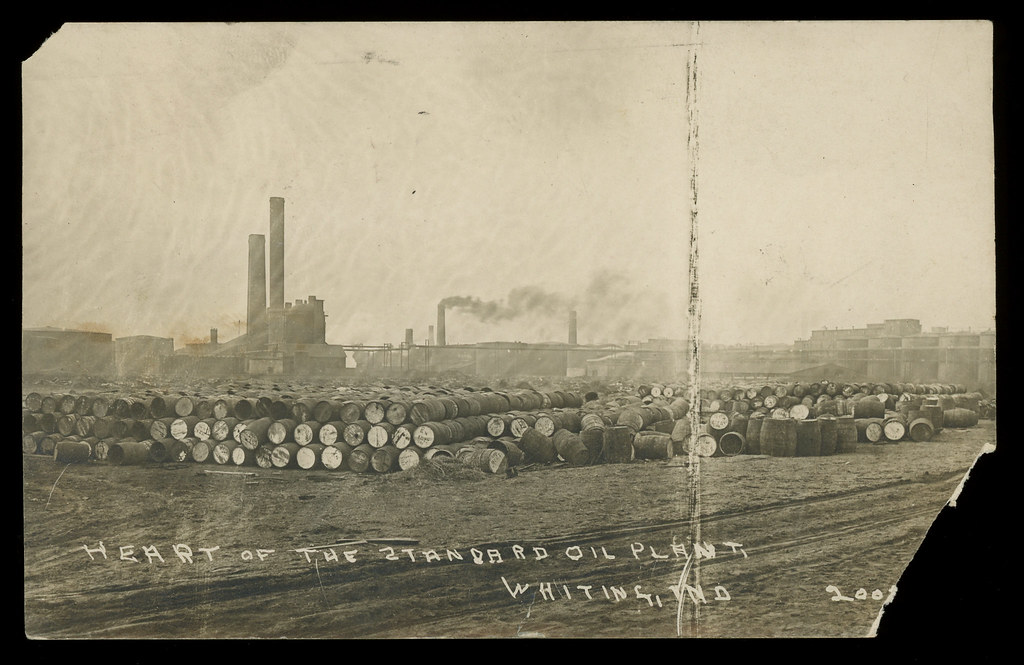
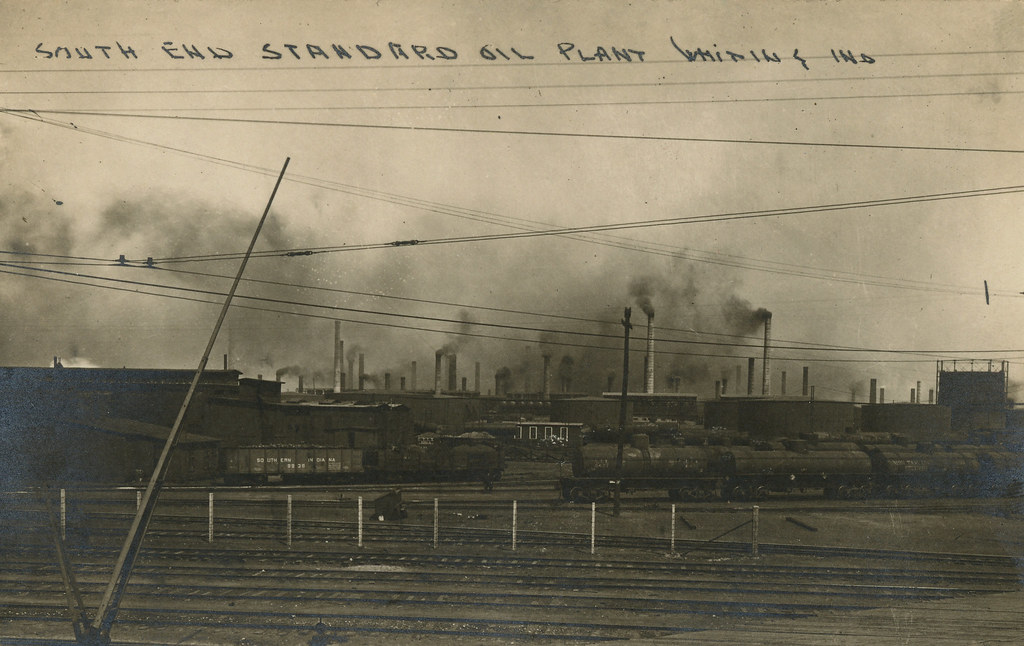
Standard Oil taught American business history that control over the channels around a product can matter as much as control over the product itself. Modern AI markets have different technology and different law, but they still produce the same strategic temptation: shape the ecosystem so thoroughly that rivals become secondary and customers become dependent.
In that setting, power rarely belonged to the loudest figure alone. It belonged to the operator who best understood how money, access, timing, and institutions could be arranged into a repeatable system. That is the deeper context for Nvidia’s antitrust moment.
For Hidden Fortunes readers, this background matters because the article does not stand alone. It strengthens the Monopoly Structures and Compute Wars cluster and helps show why this topic belongs inside a broader map of power, wealth, and strategic control.
When historians and markets look back, they often remember the loudest episode. Hidden Fortunes is more interested in the system that made the loud episode possible.
The Rise

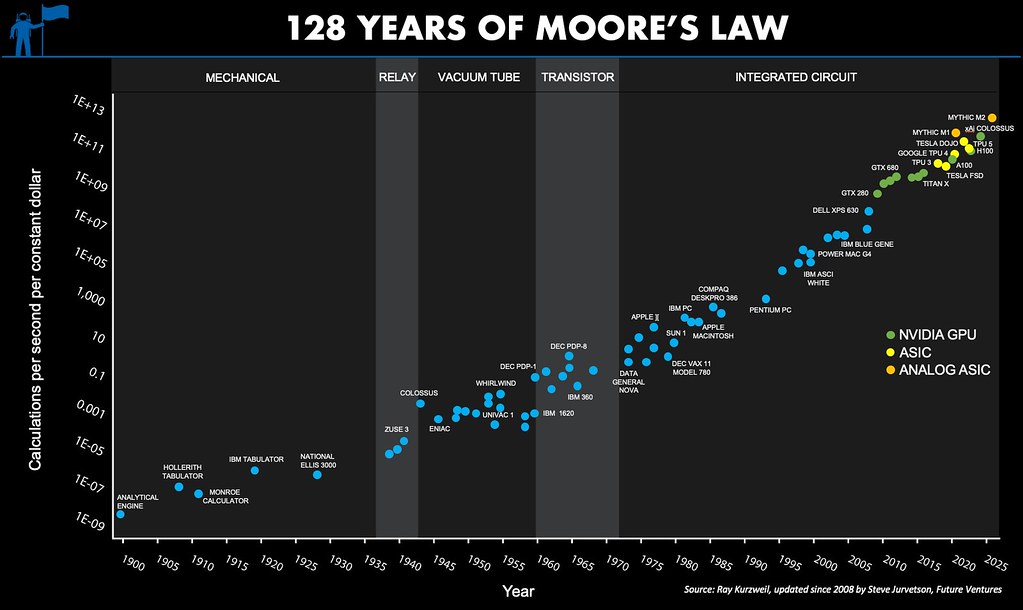
Nvidia rose because it built more than chips. It accumulated a hardware-software stack, developer familiarity, supply leverage, and ecosystem trust that made alternatives harder to adopt even when alternatives existed on paper.
The rise worked because dependency became stronger as more of the surrounding workflow, timing, and capacity planning began to revolve around one dominant supplier. The visible moves mattered, but the deeper advantage came from the ability to shape terms before rivals fully understood which terms mattered most.
Once the mechanism starts working, every later gain becomes easier to explain, because the system begins rewarding the same strategic behavior again and again.
This is also where many readers misjudge the subject. They focus on the dramatic chip release, when the real edge often came from repetition. The same logic kept working because the surrounding structure was already being trained to reward it.
The Expansion of Power
That is where the Standard Oil analogy becomes useful. The comparison is not about identical products. It is about structural leverage. Rockefeller controlled routes and terms around oil. Nvidia may be controlling routes and terms around compute enough that rivals have to define themselves against its system.
This is the point where wealth becomes architecture. Instead of depending on one transaction, one campaign, or one lucky moment, Nvidia began turning tooling, supply priority, and ecosystem dependency into an engine that could keep producing leverage.
For modern readers, that distinction is critical. The strongest fortunes are rarely built by winning one dramatic battle. They are built by making everybody else operate inside a structure designed on your terms.
Once that stage is reached, the position begins to feel larger than any single product, larger than any single chip generation. The system starts reproducing leverage even when outsiders no longer remember exactly how that leverage was first assembled.
The Hidden Strategy Behind the Fortune
The hidden strategy was using ecosystem lock-in, supply priority, tooling, and customer dependence to build power that resembles monopoly even before law formally calls it monopoly.
That matters because the public version of the story usually overemphasizes the visible asset and underestimates the invisible discipline. What actually created staying power was the ability to control tooling, supply priority, and the routes customers must use to stay competitive with enough precision that rivals and regulators could not easily escape it.
In Hidden Fortunes terms, this is where the article stops being a narrative and becomes a framework. The durable business lesson is that power compounds fastest when it sits beneath the headline. That structural logic runs through our analysis of who owns the AI infrastructure beneath Nvidia’s fortune and the Corning fiber deal showing how Nvidia is building its next layer of control.
For American readers especially, this framing is practical. It trains the eye away from surface excitement and back toward the deeper pattern of leverage — whether the subject is a railroad, a trust, a debt office, or an AI supplier hidden inside the stack.
The Cost, Risk, or Collapse
Antitrust comparisons can become sloppy if they confuse dominance with guilt. Markets change quickly, competitors still exist, and legal standards matter. The value of the article lies in mechanism-level comparison, not in premature verdicts.
Yet structure-level power does carry structural risks. The more any supplier shapes how others must compete, the more it attracts the scrutiny that eventually arrives for any player whose terms everyone else has to accept. That is the pattern the Standard Oil history made famous.
The best editorial version of this topic does not flatten the moral or political cost. It keeps the mechanism visible while remembering that the mechanism was never neutral just because it was effective.
A serious editorial system does not treat strategic brilliance as moral innocence, and it does not treat moral outrage as a substitute for explanation. It keeps both in view so the reader understands not only what worked, but what that success cost and what it may yet invite.
Lessons for Modern Business Readers

1. Control the layer beneath the headline
Nvidia became stronger once tooling, supply priority, and ecosystem dependency mattered more than the visible chip specs. The durable advantage was structural, not transactional.
2. Dependency compounds faster than attention
The strongest systems do not merely attract notice. They make other players depend on terms they did not set.
3. Structure can outlast charisma
Fortunes become durable when they are embedded in a repeatable system rather than in one dramatic product release or personality.
4. Financing, logistics, and governance are strategic assets
The businesses that look most impressive in public often rest on quieter forms of coordination underneath — supply chains, developer ecosystems, and tooling standards no one announces.
5. Reader trust comes from mechanism, not hype
Hidden Fortunes works best when it explains how a system functioned rather than flattening it into legend or outrage.
6. Ecosystems beat isolated victories
This article bridges classic monopoly logic with modern compute dependence. Read alongside our coverage of Rockefeller and the Standard Oil breakup, it turns the Nvidia story from a technology headline into a recognizable historical pattern.
Book Recommendation
For readers who want the best next step, start with Titan by Ron Chernow. It is the right follow-up because it deepens the Standard Oil system behind this comparison without flattening the historical complexity.