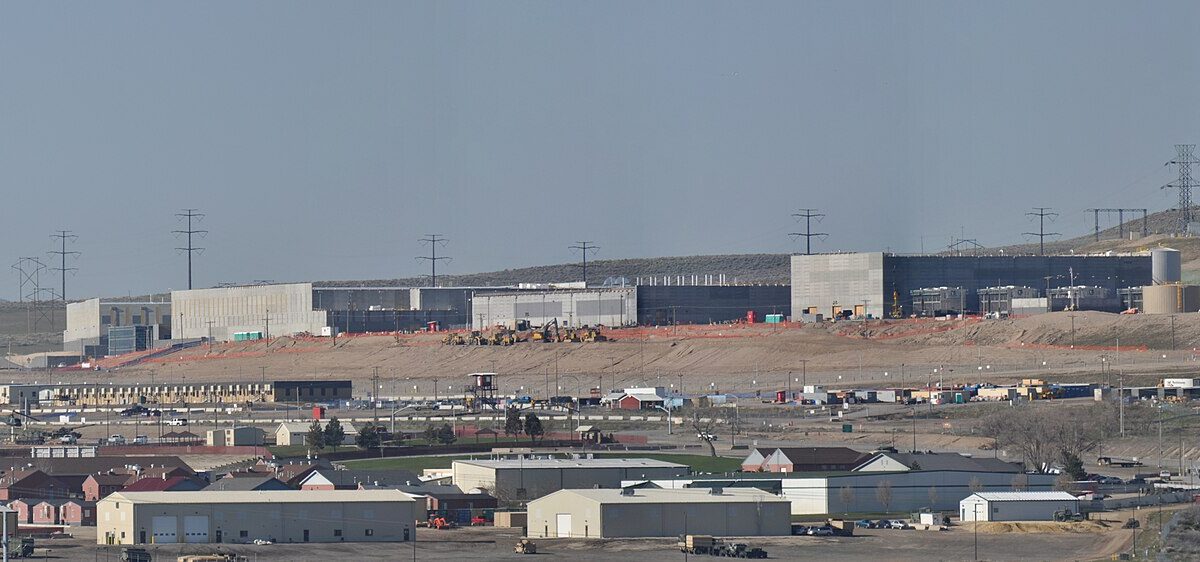
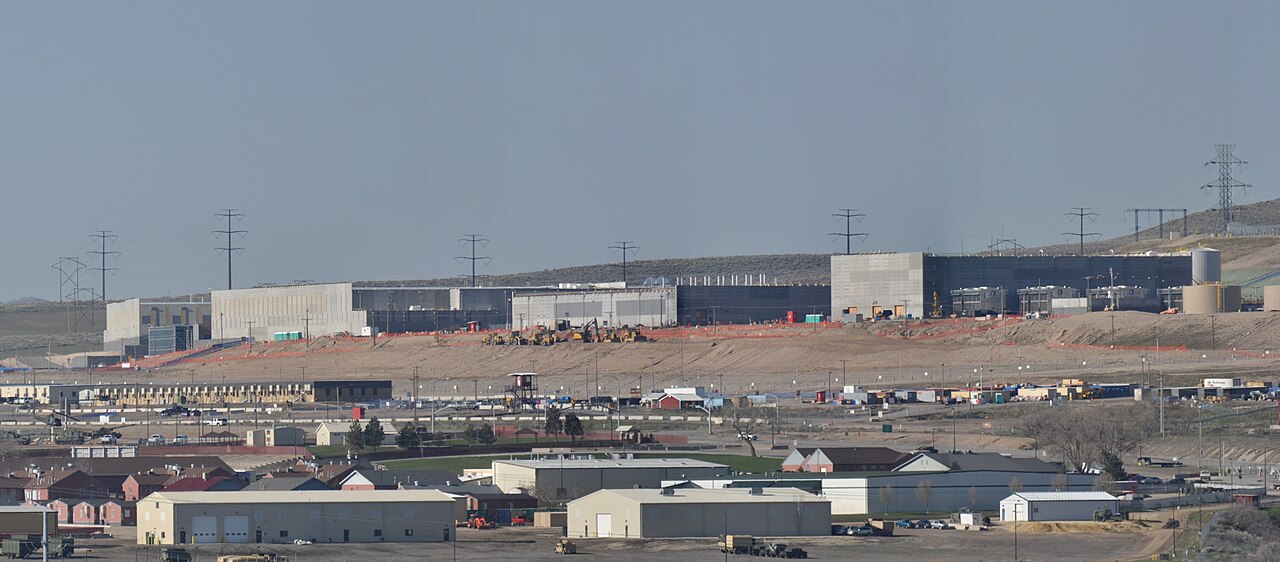
An empire becomes harder to challenge when several bottlenecks arrive under one roof. The Helix Digital Infrastructure venture — bringing together KKR, Nvidia, and Kuwait Investment Authority capital alongside Vistra’s energy assets — is interesting precisely because it attempts to do what most AI infrastructure plays do separately: combine private equity discipline, chip supply relationships, sovereign capital patience, and physical power access into a single coordinated structure.
Hidden Fortunes is interested in what sits below the surface of that announcement. The real question is how bundled capital, energy, chips, and sovereign backing became the mechanism that makes the next AI infrastructure wave harder to replicate than any single-party buildout. That bundling logic is what this article is here to explain.
The World Before the Fortune
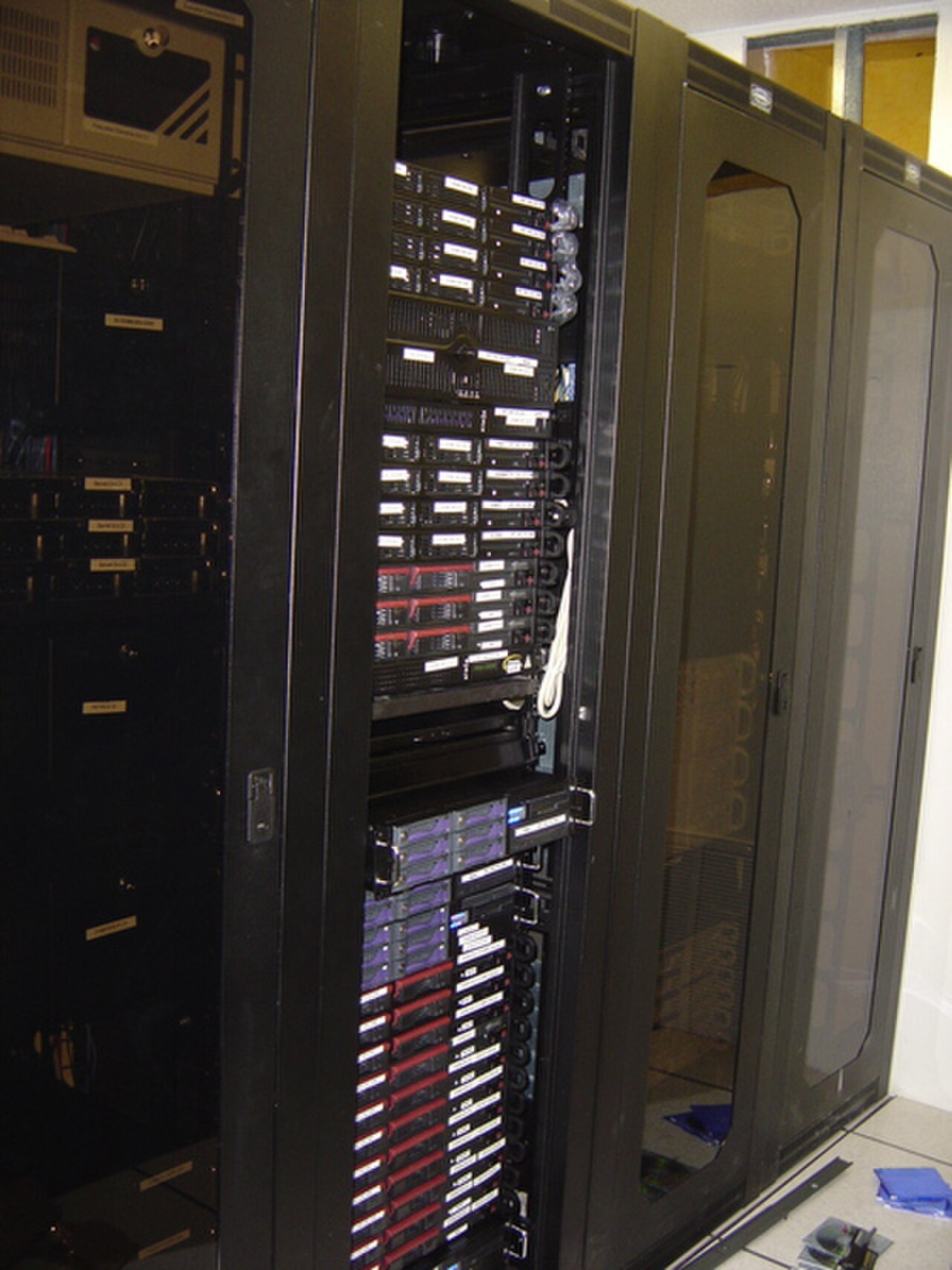
The data-center debt machine showed how AI infrastructure became a Wall Street asset class — a toll-road model where private capital funds the build and extracts long-term yield from compute demand. That model works when the underlying demand is predictable and the supply of suitable facilities is constrained. Both conditions currently hold, which is why the capital has kept flowing.
But the single-party buildout model faces real limits. A private equity fund can finance construction. It cannot guarantee chip allocation. A chip company can promise GPU supply. It cannot guarantee that sites will have adequate power. A utility can supply power. It cannot negotiate sovereign capital terms. The toll-road strategy behind AI infrastructure investment works best when the bottleneck is simple. The current buildout involves multiple simultaneous bottlenecks, which is why coalition structures are becoming more attractive.
Helix is one attempt to solve that multi-bottleneck problem in advance rather than negotiating each constraint separately as it appears. Whether that attempt succeeds depends on whether the coalition can sustain coordination across partners whose incentives are genuinely different. But the attempt itself reflects a real structural shift in how the most ambitious AI infrastructure projects are being assembled.
The Rise

KKR brings the financing discipline and deal structure that large infrastructure projects require. Private equity firms have become the dominant capital source for data-center construction precisely because they can underwrite long-duration assets, tolerate the capital intensity of large builds, and structure returns around predictable contracted revenue rather than speculative technology upside. That is the same logic that made private equity central to telecom infrastructure in the 1990s and to energy infrastructure in the 2000s.
The addition of Nvidia changes the risk profile in a way that pure financial structures cannot. Nvidia’s GPU allocation decisions determine which projects can actually deliver AI compute capacity on schedule. A data-center operator with guaranteed chip supply has a fundamentally different competitive position than one waiting in the allocation queue. Nvidia’s position as the dominant AI chip provider means that its involvement in an infrastructure consortium is not merely a vendor relationship — it is a structural advantage that shapes which projects can execute and which cannot.
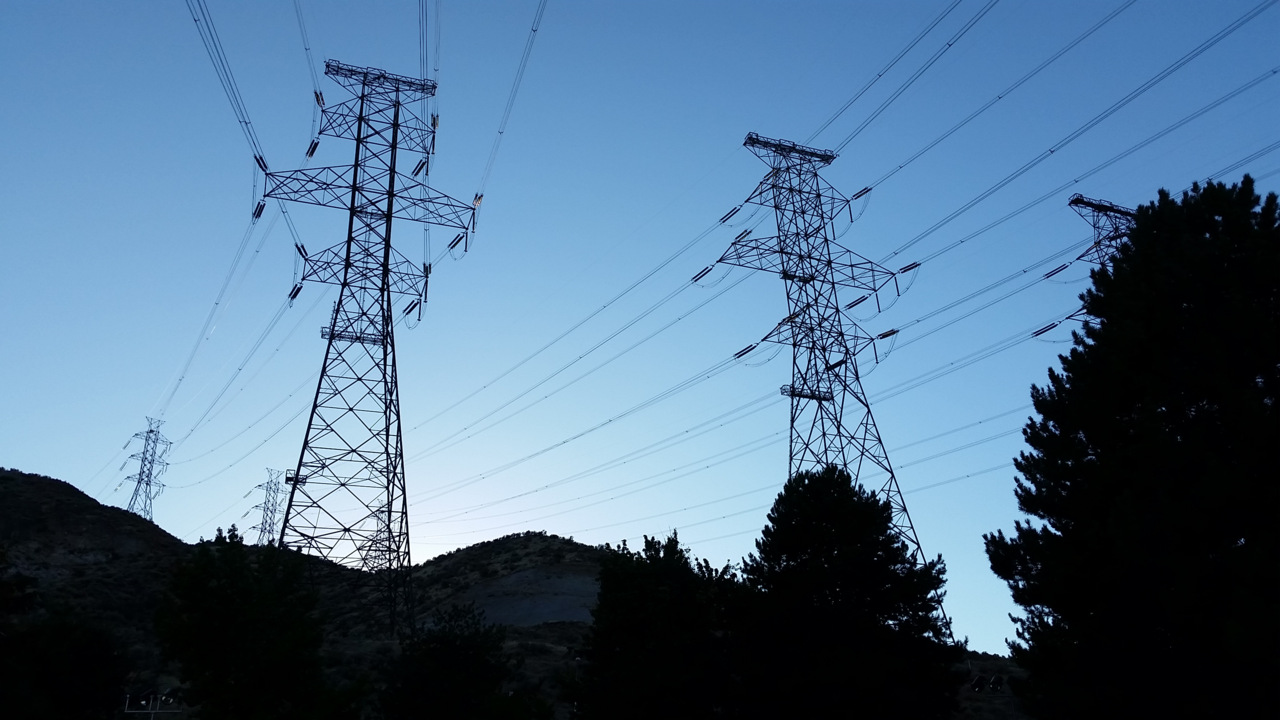
Vistra’s energy assets close the third gap. Power is now the binding constraint on AI infrastructure expansion in most high-demand markets. A new data center that cannot secure firm power interconnection cannot operate regardless of how much capital it has raised or how many GPUs it has on order. An infrastructure consortium that includes a major power generator can bypass the interconnection queue in ways that pure compute operators cannot.
The Expansion of Power
The AI infrastructure sovereignty playbook has shown why sovereign wealth funds are increasingly active in compute infrastructure. Nations that depend entirely on foreign-controlled data centers for their AI capacity face a strategic vulnerability that is different in kind from dependence on foreign manufactured goods. Compute is the infrastructure layer that will increasingly determine which institutions can use advanced AI and on what terms.
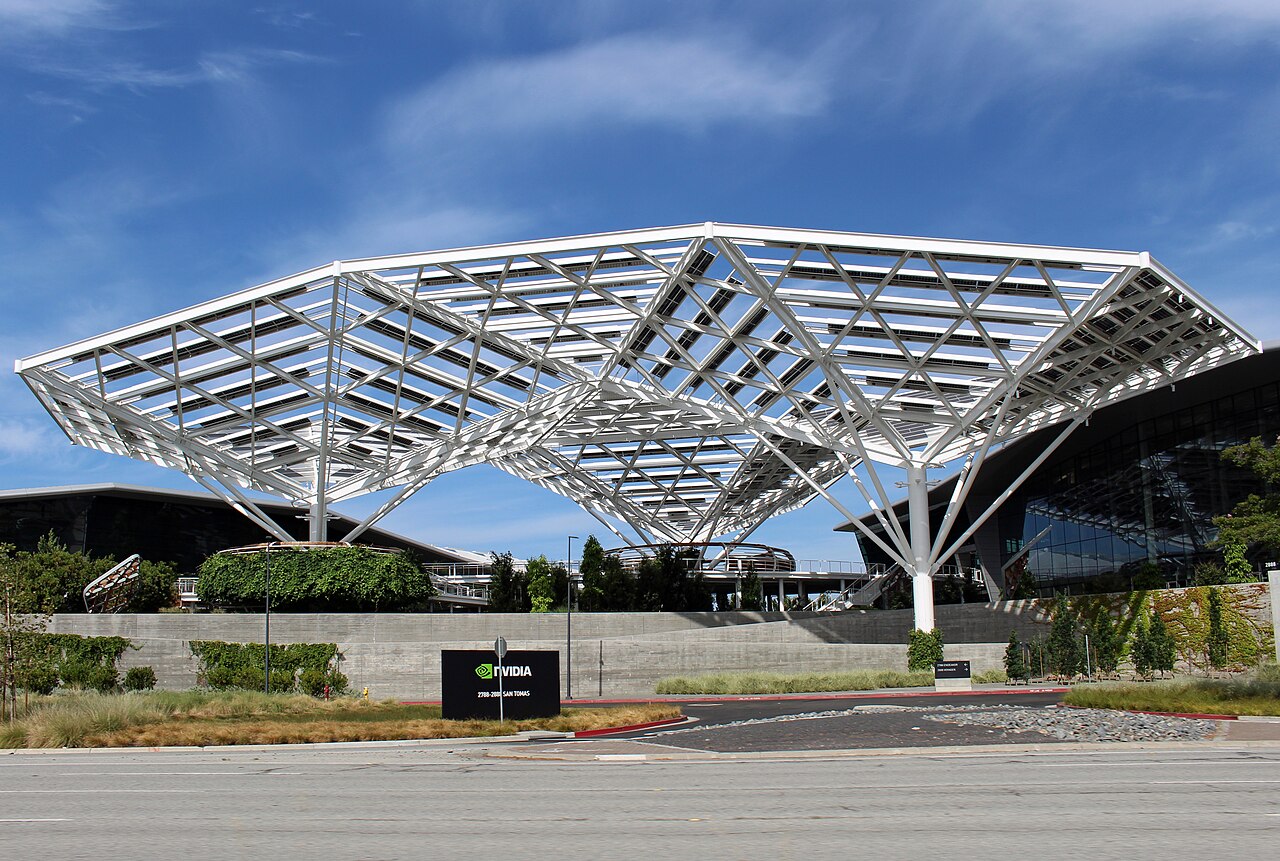
Kuwait Investment Authority capital brings two things that private equity alone cannot supply. First, longer time horizons — sovereign funds can hold infrastructure for decades rather than the five-to-seven-year cycle that governs most private equity structures. Second, geopolitical patience — sovereign capital can sustain investment through regulatory cycles, political friction, and market volatility in ways that institutional fund structures cannot easily accommodate. That patience is a genuine strategic asset when building infrastructure that will not generate peak returns for a decade or more.
The combined structure — financial discipline from KKR, chip allocation from Nvidia, power from Vistra, long-duration capital from Kuwait — creates a consortium that can credibly commit to delivering compute capacity at scale across the full development timeline. That credibility is itself a competitive advantage, because hyperscaler tenants and enterprise customers prefer to contract with operators who can reliably deliver rather than ones whose supply chain is uncertain.
The Hidden Strategy Behind the Fortune

The hidden strategy behind the Helix structure is that it treats the AI buildout not as a technology investment but as a resource-control problem. The scarce resources in AI infrastructure are not software or algorithms — those are abundant and becoming more so. The scarce resources are reliable power, chip allocation, patient capital, and the regulatory and site-selection relationships that allow large facilities to be built and operated at acceptable cost.
By assembling control over multiple scarce inputs simultaneously, a coalition like Helix can charge a structural premium over single-party operators who must negotiate each input separately. That premium compounds over time as the remaining single-party operators face increasingly competitive markets while the coalition maintains supply-chain advantages that its competitors cannot easily replicate. This is the same logic that made Carnegie’s vertical integration durable and Harriman’s route control valuable — the advantage sits not in any single asset but in the relationship between controlled assets.
For Hidden Fortunes readers, this is the moment when an infrastructure story becomes a power story. The visible subject is a data-center consortium. The durable lesson is that controlling the bundle of inputs that everyone else still needs is more valuable than controlling any single input alone, because the bundle creates dependencies that individual competitors cannot escape by substituting one resource for another.
The Cost, Risk, or Collapse
Multi-party structures create their own vulnerabilities. The same coordination advantage that makes Helix difficult to replicate also makes it difficult to manage. Partners whose incentives align during the buildout phase may diverge during the operational phase, particularly if chip pricing, power costs, or capital allocation decisions require trade-offs between the partners’ individual interests. Private equity firms are optimizing for fund return timelines. Sovereign funds are optimizing for long-term national interest. A chip company is optimizing for platform dominance. A utility is optimizing for regulated return on assets. Those objectives can coexist during an expansion phase and come into tension during a consolidation or downturn phase.
The opacity risk is significant. Bundled structures that control multiple scarce resources attract regulatory scrutiny in ways that single-asset operators do not. Antitrust regulators are increasingly attentive to vertical integration in digital infrastructure, and a consortium that combines chip supply, power generation, and data-center operation creates a target profile that none of the individual partners would present alone. The political economy of AI infrastructure is also shifting rapidly, with governments that were passive about foreign capital in data centers becoming more restrictive as the strategic importance of compute capacity becomes clear.
The geopolitical dimension adds another layer of complexity. Sovereign capital from the Gulf creates questions about data sovereignty and security access that pure private capital does not. Those questions are manageable in favorable political conditions and become very difficult in adverse ones. The partnership creates dependencies that run in both directions: the consortium gains patient capital, but the sovereign investor gains visibility into infrastructure that some governments may eventually decide is strategically sensitive.
Lessons for Modern Business Readers

1. Bundle the bottlenecks before competitors can
Helix’s structural advantage comes from assembling control over capital, chips, power, and sovereign patience before the market fully normalizes that model. The window for assembling that bundle at reasonable cost will narrow as the model becomes standard. The lesson is not to copy the specific bundle but to identify which multi-input control problem is underpriced in your own domain.
2. Coalition capital has different properties than fund capital
Sovereign wealth, private equity, strategic corporate, and institutional capital are not interchangeable. They have different time horizons, different governance requirements, different political exposure, and different return expectations. Assembling the right combination for a specific infrastructure type is a structural skill that compounds over time.
3. Power is now the binding AI infrastructure constraint
Every other AI infrastructure input — capital, chips, software, talent — is scaling to meet demand. Power is not. Operators who have secured firm power interconnection at scale have a structural advantage that will persist for at least five to ten years as grid expansion cycles work through the system. The power constraint is the current bottleneck that shapes everything else.
4. Chip allocation is a coalition asset
Nvidia’s involvement in infrastructure partnerships changes the risk profile of those projects in ways that pure financial underwriting cannot replicate. As AI chip supply remains tight, the ability to guarantee allocation through strategic relationships rather than market queuing becomes a genuine competitive differentiator.
5. Vertical integration in digital infrastructure follows the same logic as in physical infrastructure
Carnegie controlled iron ore to finished rail. Standard Oil controlled crude to refined product. The Helix model controls power to compute to financing. The logic is identical: own enough adjacent layers that the resulting dependency is hard to bypass. The technology changes; the structural advantage does not.
6. Sovereign capital patience is a strategic weapon in long-duration infrastructure
Infrastructure that generates its best returns over twenty-year horizons is fundamentally mismatched with the five-to-seven-year cycles of conventional private equity. Sovereign wealth funds that can hold infrastructure indefinitely have a genuine structural advantage in any asset class where time horizon is a binding constraint on competitors.