Some banking families became rich by financing history. The Warburgs helped design the machinery through which later history would be financed.
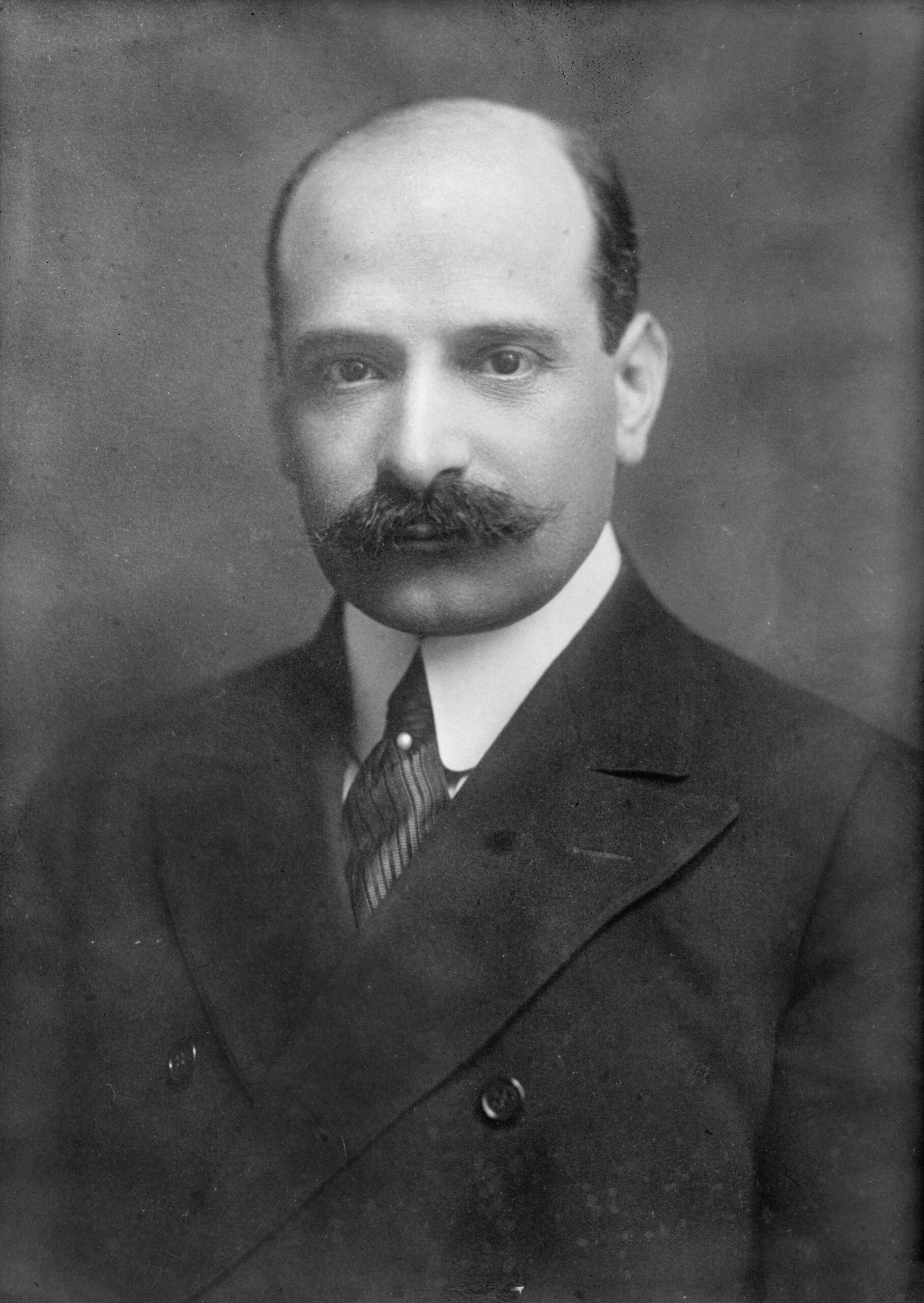
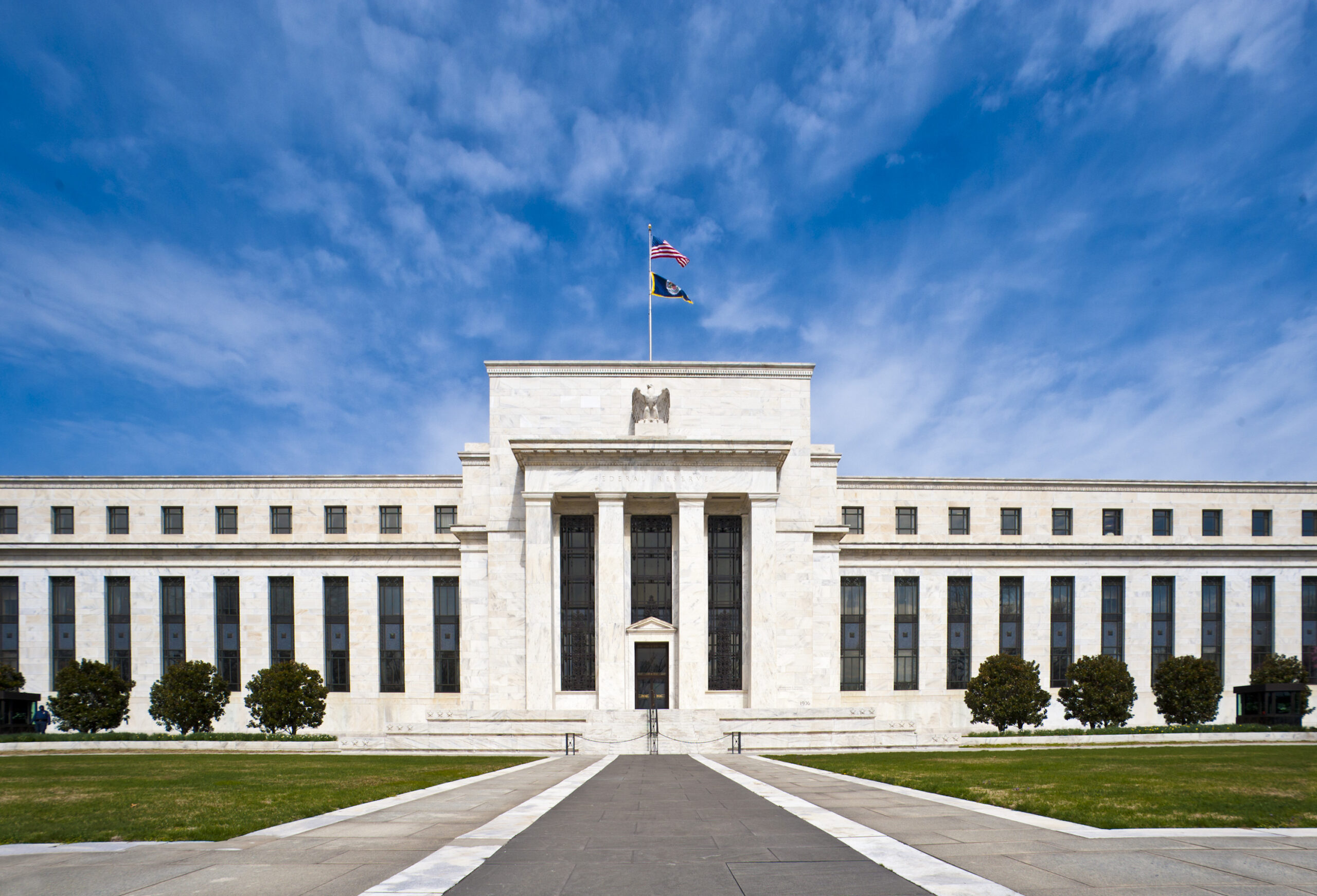
M.M. Warburg & Co., founded in Hamburg in 1798, is one of the oldest private banking houses in the world. But the family’s most consequential contribution was not a single deal or a single fortune. It was structural: a Hamburg-trained banker named Paul Warburg emigrated to New York, studied the fragility of the American financial system, and spent a decade persuading the United States government to build a central bank. The Federal Reserve, created in 1913, was largely his design.
That is a remarkable thing to say about any private family. It is even more remarkable when you trace the mechanism through which it happened — not lobbying, not bribery, but expertise deployed at exactly the right institutional moment. The Warburgs did not merely finance the system. They helped write it.
The World Before the Fortune
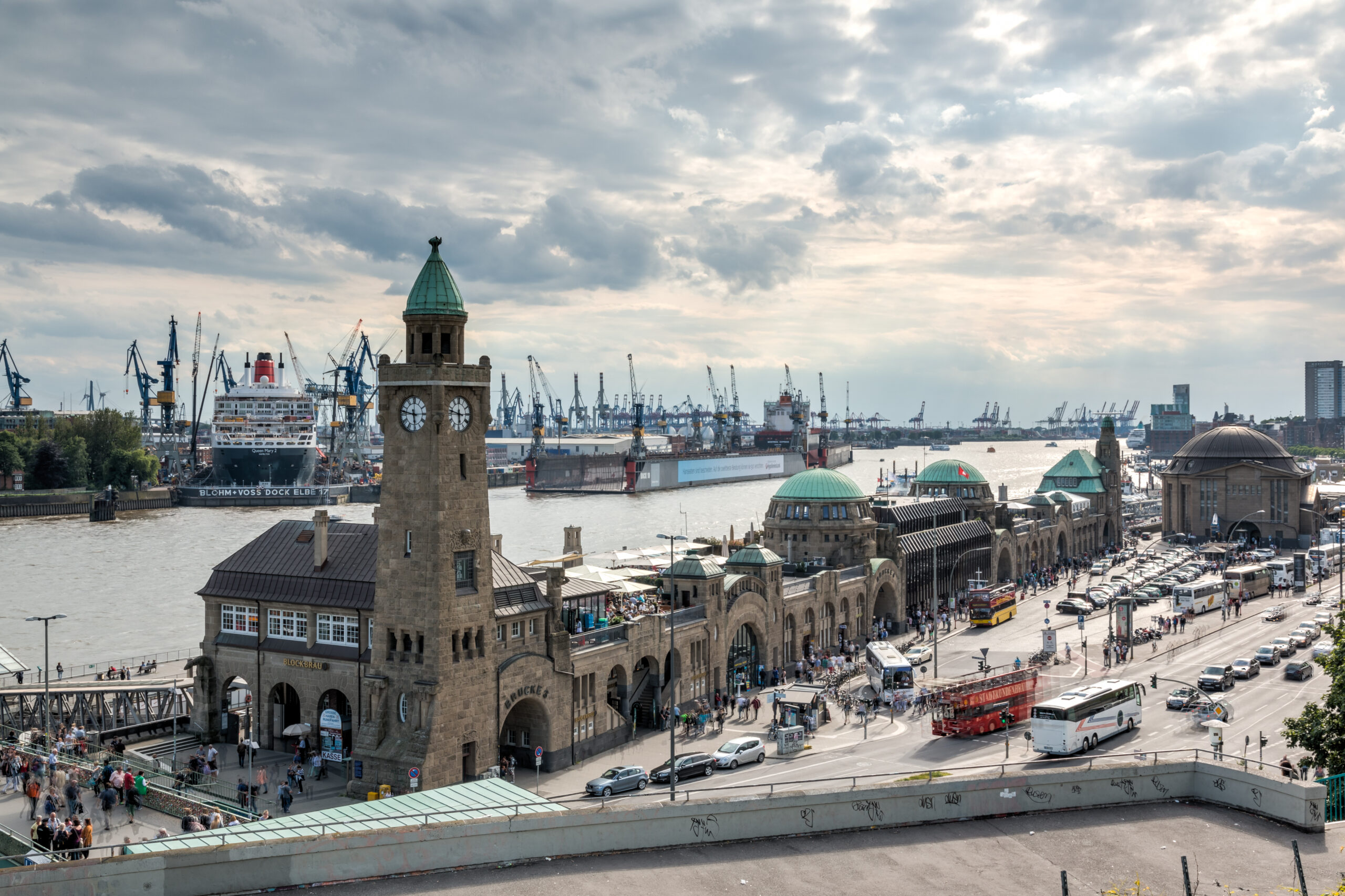
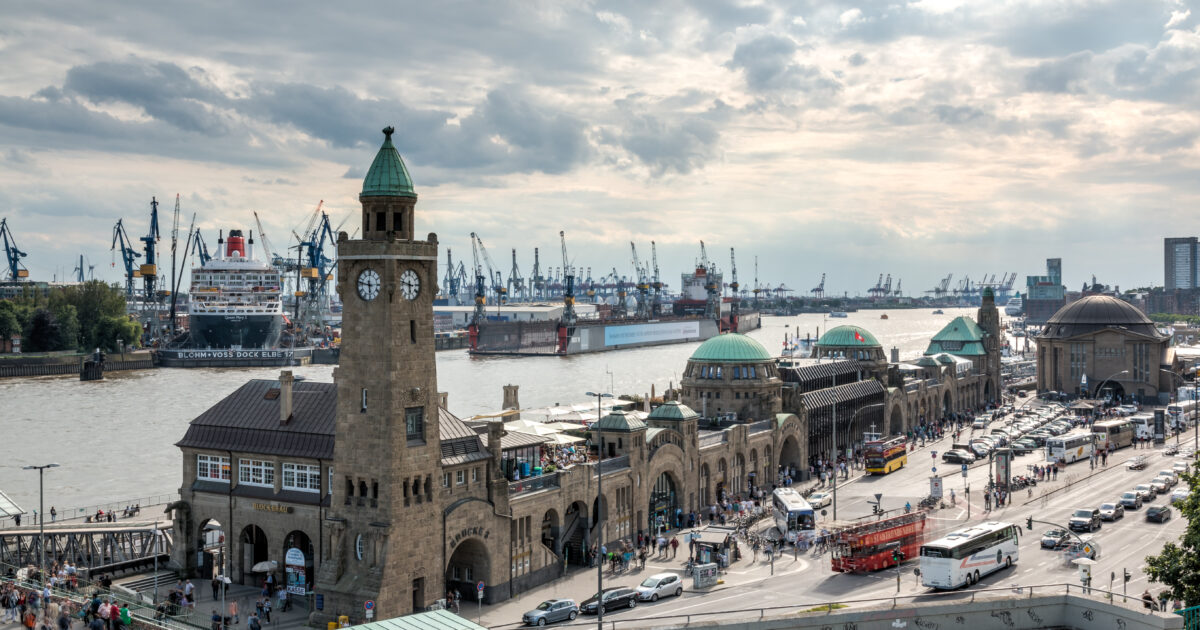
Hamburg in the early nineteenth century was a natural home for a private banking dynasty. The city was a free imperial city, one of the great trading ports of northern Europe, and its merchants needed institutions that could move credit across the North Sea, the Baltic, and the Atlantic with reliability and speed.
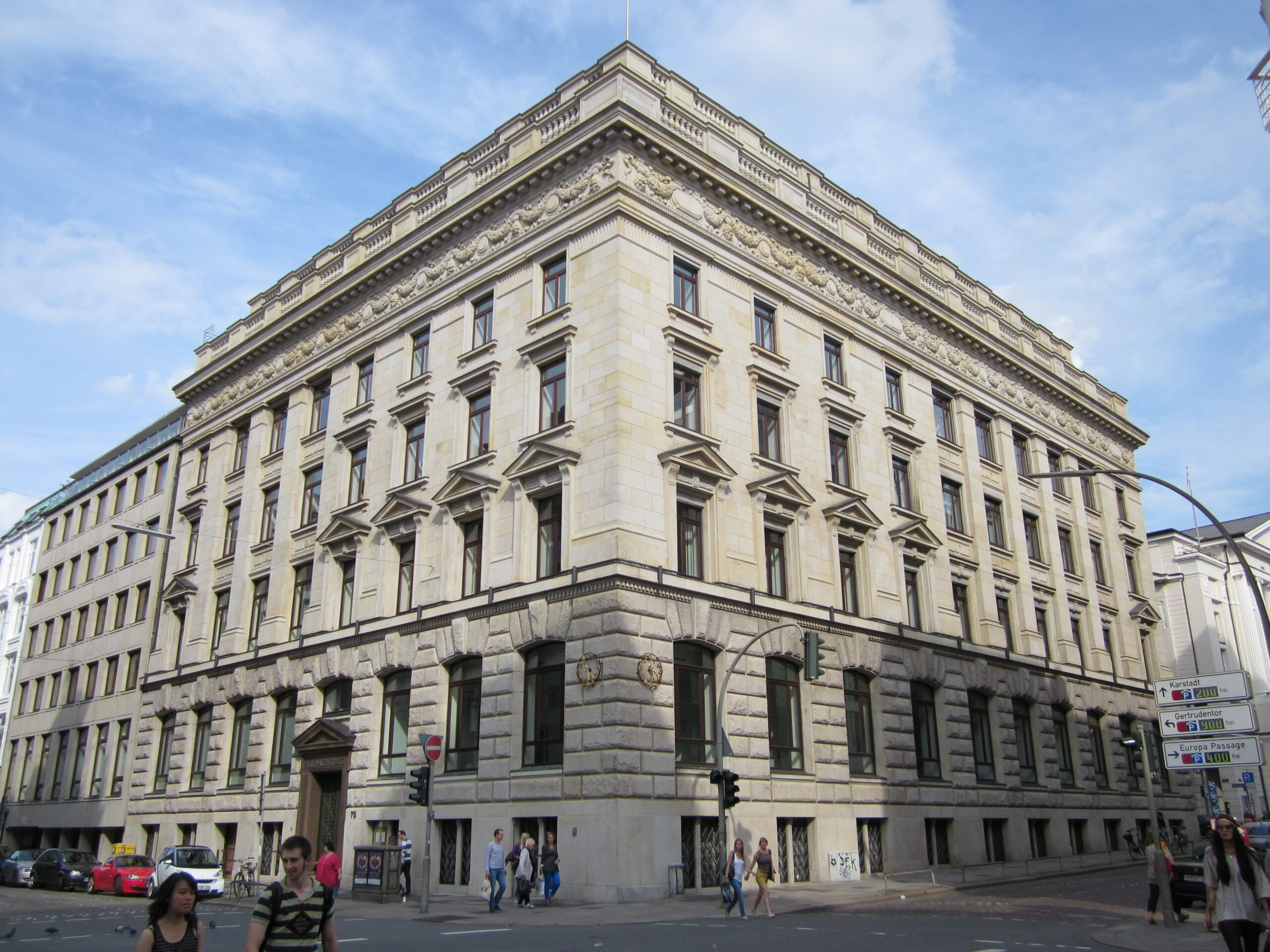
Marcus Moses Warburg and his brother Gerson founded M.M. Warburg & Co. in 1798. The early bank was modest — a credit and exchange house serving Hamburg’s merchant community. But the Warburgs had two advantages that compounded over generations: they built relationships with the right counterparties across Europe, and they treated institutional credibility as a strategic asset to be maintained over decades rather than exploited in a single cycle.
By the mid-nineteenth century, M.M. Warburg had become one of Germany’s most respected private banking houses. The bank financed trade, issued bonds, and managed capital for governments and corporations. More importantly, it built a reputation as a house whose word could be trusted in a world where most agreements were still sealed by handshake, letter, and accumulated goodwill.
The Rise
The Warburg dynasty’s power rested on a structure that the most powerful banking families of the era had all understood: a network of brothers placed strategically across the Atlantic, connected by family loyalty and coordinated by shared capital. The Rothschilds had used the same architecture a generation earlier across the five capitals of Europe, as explored in our coverage of the Rothschild marriage strategy.
The Warburg generation that came of age in the 1890s distributed itself with remarkable precision. Max Warburg (1867–1946) stayed in Hamburg to manage M.M. Warburg & Co. Paul Warburg (1868–1932) emigrated to New York in 1902, married Nina Loeb — daughter of Solomon Loeb, co-founder of Kuhn, Loeb & Co. — and became a partner in that firm. Felix Warburg (1871–1937) also settled in New York, marrying Frieda Schiff, daughter of Jacob Schiff, and joining Kuhn, Loeb as well.
The result was a transatlantic structure in which the Hamburg bank and the New York bank were linked by family, capital, and shared strategic purpose. When European bond markets needed American capital, or when American infrastructure needed European underwriting, the Warburgs could move both ends of the transaction without trusting a counterparty outside the family network.
The Expansion of Power
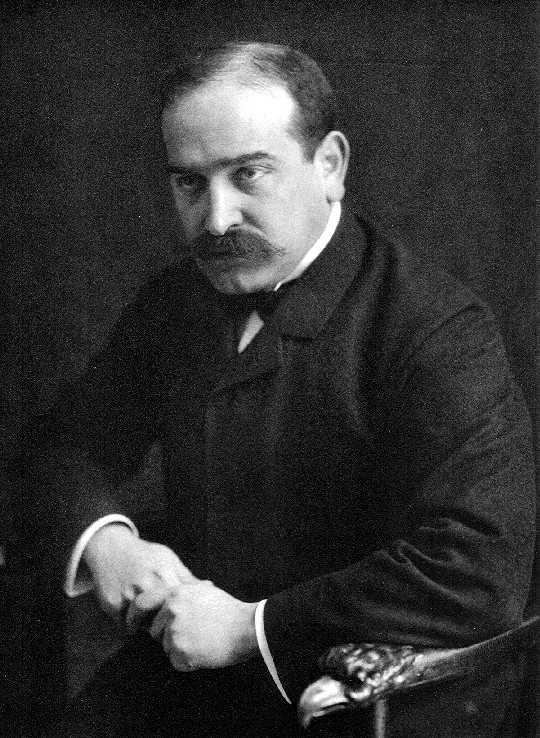
Max Warburg’s Hamburg operation grew into one of the leading financial institutions in Wilhelmine Germany. The bank managed sovereign relationships, financed industrial expansion, and participated in German bond issuances at a scale that required relationships with both the German government and the major industrial combines that were reshaping the economy.
But Paul Warburg’s expansion in New York was ultimately the more consequential. From his position at Kuhn, Loeb, he observed the fundamental weakness of the American banking system: there was no lender of last resort, no institution capable of injecting liquidity when a chain of bank failures threatened to cascade into systemic collapse. The Panic of 1907 — when J.P. Morgan personally organized a private rescue of the banking system — demonstrated exactly how fragile the architecture was. As our analysis of Warburg vs. Morgan shows, Paul and Morgan had very different visions for what should replace it.
Paul Warburg spent years writing papers, testifying before committees, and arguing in public that the United States needed a European-style central bank. His essays were unusually technical and unusually influential. He was not a political operator. He was a monetary architect explaining, in precise terms, why the existing system would fail again.
The Hidden Strategy Behind the Fortune
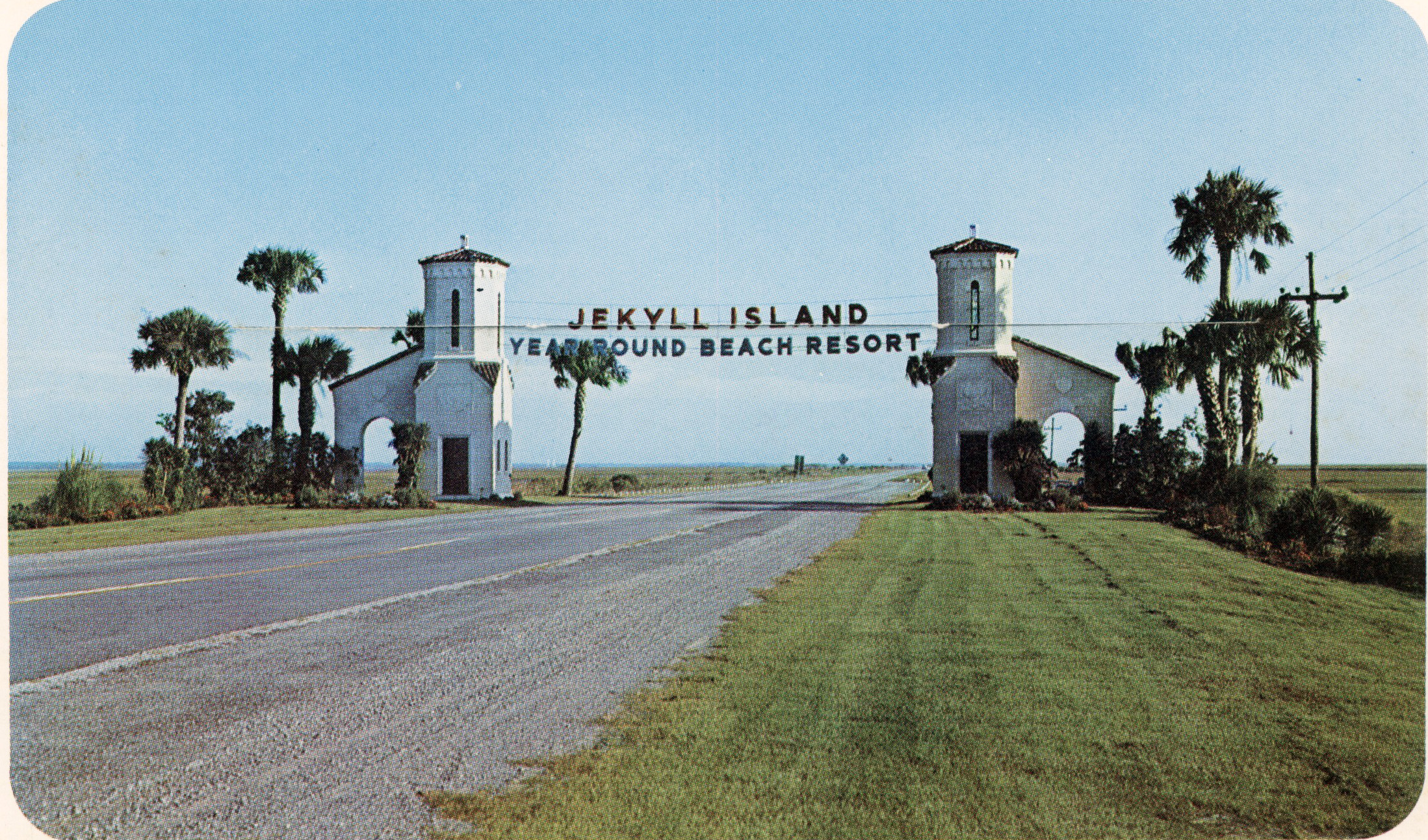
In November 1910, a group of bankers and politicians met in secret at a hunting club on Jekyll Island, Georgia. The gathering included Senator Nelson Aldrich, Frank Vanderlip of National City Bank, Henry Davison and Benjamin Strong of J.P. Morgan, and Paul Warburg. Over nine days, they drafted what would become the blueprint for the Federal Reserve System.
The secrecy was deliberate. The men arrived at the island’s railway station in separate cars. They referred to each other only by first names. Their concern was not personal scandal but political reality: any proposal visibly authored by Wall Street would be destroyed in Congress by agrarian populists and progressive reformers who distrusted concentrated finance. The Federal Reserve Act passed in December 1913 under Woodrow Wilson — a reform president, not a banker’s ally. The architecture was Paul Warburg’s, but the political package had been rebuilt to look like public-interest legislation.
This is the hidden strategy in the Warburg story. The family did not accumulate power through spectacle. It accumulated power through institutional design — by understanding which structures, once built, would shape every transaction that followed. Paul Warburg’s specific contributions to the Federal Reserve went well beyond advocacy: he argued for a decentralized system of regional reserve banks, a discount window mechanism, and an open-market operations structure that reflected his deep knowledge of European central banking practice.
The Cost, Risk, or Collapse
Every system built on institutional credibility carries a vulnerability: the moment that credibility is challenged, the damage runs faster than any defense can manage. For the Warburgs, that moment arrived in two waves — one personal, one civilizational.
Paul Warburg resigned from the Federal Reserve Board in 1918. His German origins made his position untenable once the United States entered World War One. His brother Max, meanwhile, served as a German financial representative at the Paris Peace Conference — the same table, opposite sides of the negotiation. The transatlantic structure that had been a source of power became, in that moment, a painful symbol of how completely the world had reorganized around nationality rather than financial network.
The deeper collapse came in the 1930s. Nazi anti-Jewish legislation stripped the Warburgs of their position in German finance. In 1938, M.M. Warburg & Co. was aryanized — the family was forced to sell the 140-year-old institution for a fraction of its value. Max Warburg emigrated to New York. The Hamburg dynasty that had financed the growth of the German economy, negotiated sovereign bonds, and survived two centuries of European political upheaval was extinguished in less than five years. The bank itself survived under different ownership; the Warburg family recovered it after the war, but the era of Hamburg private banking as a global power center was over.
Lessons for Modern Business Readers
1. Institutional design is the highest form of leverage
Paul Warburg did not grow rich from the Federal Reserve. He designed a system that made modern American finance possible, and his influence — on monetary policy, on banking stability, on the structure of dollar-denominated credit — has compounded for over a century. The greatest leverage is not in a single deal. It is in the rules of the game.
2. Family networks reduce counterparty risk in high-stakes transactions
The Warburg transatlantic structure — Hamburg on one end, Kuhn Loeb on the other — allowed the family to manage both sides of major capital movements without exposing their positions to external counterparties. The same logic governs modern joint ventures, co-investment structures, and sovereign wealth fund partnerships. Trust embedded in structure beats trust renegotiated in every transaction.
3. Credibility is a balance sheet item
M.M. Warburg lasted 140 years not because it was the largest bank in Germany, but because its paper was treated as trustworthy by counterparties across the continent. Credibility accumulated over generations. It was also destroyed in years. Any institution — bank, consultancy, law firm, media brand — that treats reputation as a soft asset rather than a balance sheet item misunderstands how durable advantage actually works.
4. Expertise deployed at the right moment is more valuable than capital
Paul Warburg had no legislative power. He had no elected allies. What he had was an unusually precise understanding of monetary mechanics at exactly the moment when the United States was ready to build a permanent solution. The timing mattered. The expertise mattered more. In any system undergoing structural change, the person who understands the new architecture better than the political actors who must vote on it holds an extraordinary position.
5. Geographic spread does not guarantee survival under ideological pressure
The Warburg transatlantic structure was designed for economic volatility. It was not designed for state-organized confiscation. When the rules of property and citizenship were rewritten, the family’s strategic architecture offered no protection. Modern business strategy must distinguish between risks that financial structure can hedge and risks that require entirely different kinds of response.
Seen clearly, the Warburg story is not only about a German banking dynasty or about the Federal Reserve. It is about what becomes possible when a family combines institutional expertise, cross-border positioning, and generational patience in a moment of genuine systemic transformation. Paul Warburg understood that American finance would eventually build a central bank. He made himself indispensable to the design of that institution. The result was not just a Warburg legacy — it was a Federal Reserve legacy, compounding through every monetary decision made in Washington for the century that followed. That is how structural power works. It does not announce itself. It becomes the water everyone else swims in.
Recommended Reading
For readers who want to go deeper into the human architecture behind Gilded Age power — the fortunes, strategies, and systemic thinking of the era that produced both the Warburgs and the Federal Reserve — Titan: The Life of John D. Rockefeller, Sr. by Ron Chernow is the essential companion read. Chernow, who also wrote the definitive biography of the Warburg family, brings the same analytical precision to Standard Oil that he brings to banking dynasties: power built not through luck, but through structural control of systems everyone else depended on.
