

Money becomes power at scale when somebody can move trust in physical form. The Rothschild family understood this before most European banking dynasties had even begun to systematize it. Their network was not only built on information speed or political connections — it was also built on the capacity to move gold reliably across borders, settle obligations with trusted counterparties, and anchor financial credibility in a system where physical bullion still underpinned everything.
Before electronic settlement and modern reserve systems, gold mattered materially. Information speed was one Rothschild advantage. Gold-handling capacity was another — and the two reinforced each other in ways their rivals struggled to match. This article examines how bullion movement, settlement reliability, and gold logistics became part of the structural architecture that made the Rothschild dynasty durable across generations.
The World Before the Fortune
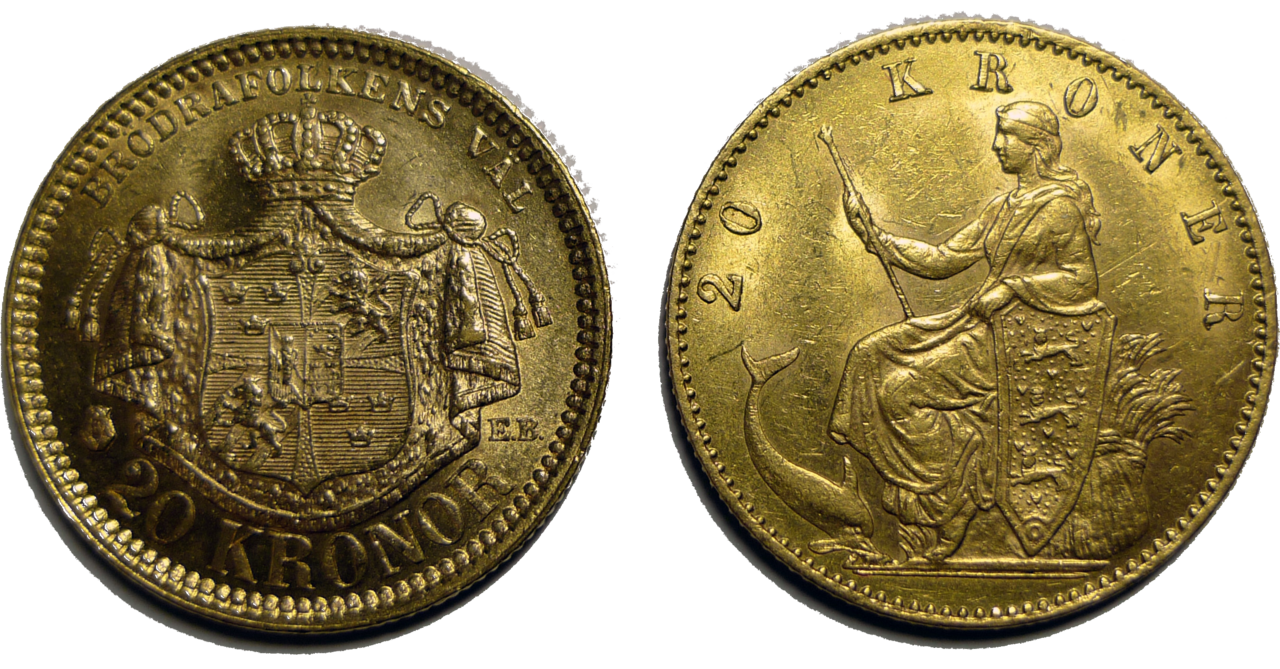
Before electronic settlement and modern reserve systems, gold still mattered materially. Physical bullion movement, trusted counterparties, and settlement certainty helped determine whether trade and state finance could hold together under pressure. A sovereign needing to service a war debt across three countries could not simply wire funds. Gold had to move — physically, securely, and through counterparties whose promises carried weight.
The banking systems that powered European empires depended on this physical infrastructure of settlement. In that environment, power did not belong only to the loudest founder or the most visible asset. It belonged to the operator who best understood how money, access, timing, and infrastructure could be arranged into a repeatable machine. The Rothschilds built that machine across five brothers in five cities simultaneously.
Before the London gold market, before the Bank of England gold vaults became the fulcrum of international settlement, physical gold movement was the defining constraint on international finance. Whoever solved that constraint reliably held leverage over states and institutions that had no comparable alternative.
The Rise
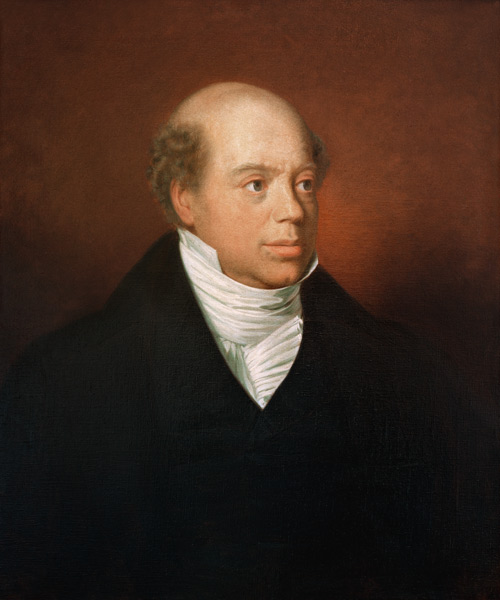
The Rothschild network benefited because it already combined geography, trust, and communication. That made gold-handling capacity more than a back-office function. It became a reinforcing layer inside the wider banking dynasty. Nathan Mayer Rothschild in London understood that the same trust network that carried information could also carry physical settlement obligations.
By the early nineteenth century, the five-city network — Frankfurt, London, Paris, Vienna, Naples — gave the family an unparalleled ability to settle across jurisdictions. A payment due in Paris could be funded by credit originated in London, guaranteed by the Frankfurt house, and physically settled in coin or bullion by whichever branch was closest to the counterparty. This geographic arbitrage of trust was nearly impossible to replicate from outside.
The rise worked because physical settlement systems became an advantage when fewer institutions could move gold with equal confidence and reach. Once the mechanism started working, later victories became easier to understand because the structure itself kept rewarding the same form of leverage.
The Expansion of Power
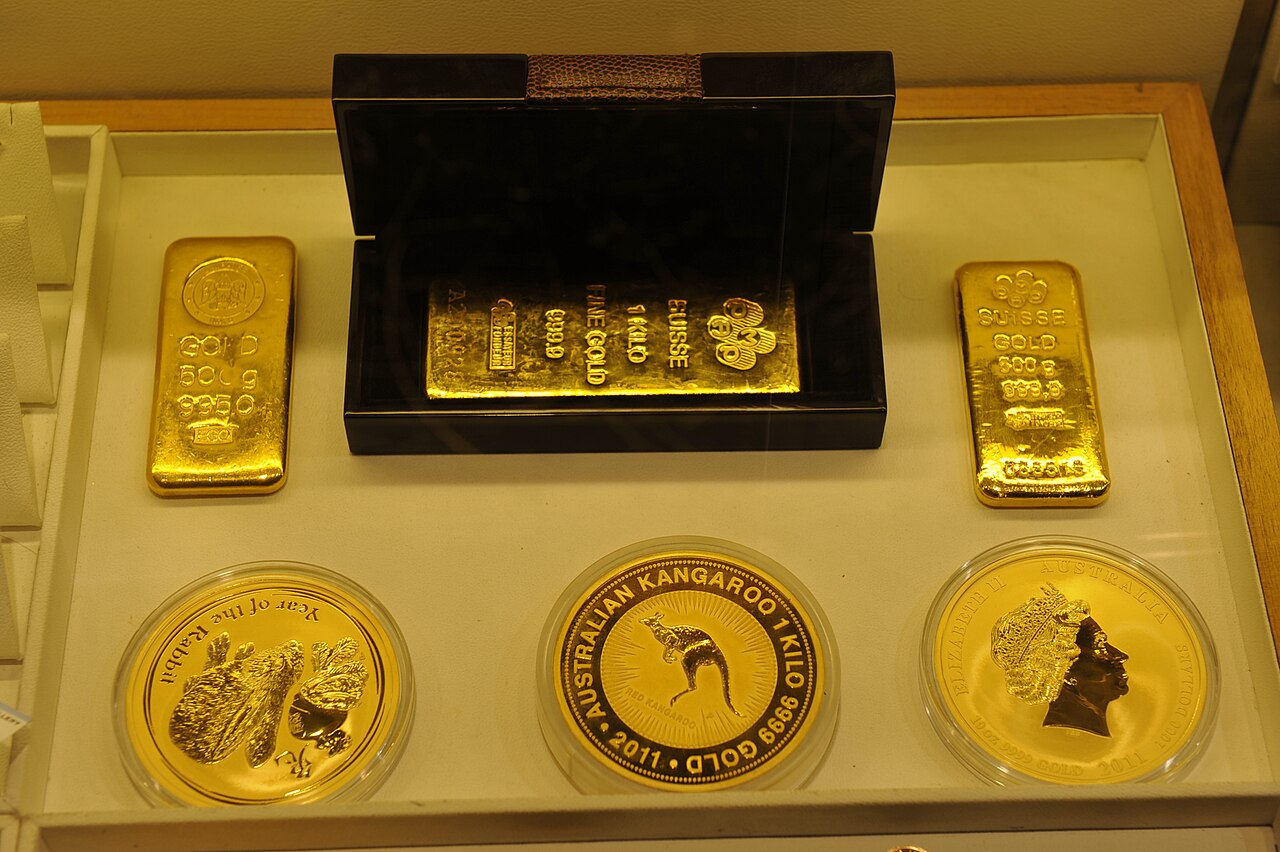
The gold network matters for Hidden Fortunes because it shows how dynastic power can hide inside logistics that look technical. Physical bullion movement was not merely administrative. It was part of how states and merchants learned whom to trust at scale. When the London gold market took shape, the Rothschilds were already embedded in its foundations.
By the mid-nineteenth century, the London house of Rothschild was the primary gold broker for the Bank of England itself. When the Bank needed to acquire gold reserves or sell them into the market, it did so largely through the Rothschild network. This was not a minor commercial relationship. It meant that the family sat between the British state’s monetary system and the international bullion markets that fed it.
This is the point where wealth becomes architecture. Instead of depending on one transaction or one dramatic moment, the Rothschilds turned bullion movement, settlement reliability, and gold logistics into a machine that could keep producing leverage. The strongest fortunes are rarely built by winning one theatrical battle. They are built by making the surrounding market, bureaucracy, or infrastructure behave on your terms.
The Hidden Strategy Behind the Fortune

The hidden strategy was this: turning gold movement, settlement reliability, and bullion logistics into a dynastic advantage in trust and state finance. The public version of the Rothschild story often focuses on famous loans — the Waterloo bond, the Suez Canal purchase, the American Civil War financing. What it underestimates is the quieter, repeating advantage that came from being the most trusted gold-handling counterparty in Europe.
When a government needed to move a large gold shipment across borders without triggering market panic, it needed a counterparty that could absorb the physical complexity without leaking the transaction to competitors. The Rothschilds had the vaults, the agents, the ship captains, the insurance relationships, and — most importantly — the reputation for discretion that made them the obvious choice. That reputation itself became a barrier to entry.
In Hidden Fortunes terms, this is where the article stops being a narrative and becomes a framework. The visible subject is Rothschild bullion and gold-market influence. The durable business lesson is that power compounds fastest when it sits beneath the headline rather than inside the headline. The Bank of England’s own stability depended in part on infrastructure that private hands had built and maintained.
The Cost, Risk, or Collapse

Gold systems can look cleaner in hindsight than they felt in real time. They were still vulnerable to panic, war, transport risk, and the politics of credibility. A shipment of gold crossing the Channel in wartime was not a certainty. A government that defaulted on its obligations could also default on the agreements that made bullion movement viable. The Rothschilds carried genuine risk inside every large transaction.
The same network that gave them leverage also exposed them to concentrated losses when political systems collapsed around them. The Napoleonic Wars, the revolutions of 1848, and later the upheavals of the early twentieth century all disrupted the assumptions that made the gold network function smoothly. Power built on institutional trust is durable — until the institutions themselves fracture.
The best editorial version of this story does not flatten the moral or financial cost. Gold systems were efficient for the parties with access and extractive toward those without it. The Rothschild network was a private solution to a public coordination problem, and that arrangement carried costs that the public eventually chose to renegotiate through central bank reforms and regulatory oversight.
Lessons for Modern Business Readers
1. Control the hidden layer
The Rothschilds became stronger once bullion movement, settlement reliability, and gold logistics mattered more than the visible surface story. Their gold network was a form of infrastructure ownership that looked like a service business from the outside.
2. Dependency compounds faster than attention
The Bank of England’s reliance on Rothschild gold-handling is the canonical example. When a central institution depends on a private network for core operations, that dependency is rarely renegotiated at arm’s length. It takes crises to reshape it.
3. Infrastructure is often the real moat
The quiet layer beneath the product or headline usually produces the most durable advantage. Bullion logistics looked like a cost center. It was actually the structural foundation of the Rothschild network’s credibility.
4. Governance and finance shape outcomes
Operational success scales faster when finance, rules, and infrastructure reinforce one another. The Rothschilds maintained their gold network advantage partly by staying inside the regulatory expectations of every country they operated in — a form of institutional compliance that protected the franchise.
5. Trust is infrastructure
The most durable asset in the Rothschild gold network was not the bullion itself. It was the family’s reputation for delivering what they promised. That reputation took generations to build and survived multiple geopolitical shocks because the underlying track record was consistent.
6. The pattern repeats across every era
From gold vaults to custodian banks, from bullion brokers to clearing houses, the same logic recurs. Whoever sits between the flow of value and the parties trying to move it reliably holds structural leverage. The medium changes; the position does not.
