A monopoly becomes harder to challenge when the customer has to leave a language, not just a vendor.
On the surface, Nvidia dominance is often discussed in terms of chip performance, supply, and valuation. But Hidden Fortunes is interested in what sits below the surface. The real question is how developer tools, software habits, and ecosystem switching costs became the deeper mechanism that made advantage durable. As we examined in Nvidia’s Antitrust Moment, the company is starting to look less like a hardware supplier and more like essential infrastructure.
That is why this article matters beyond its own topic. It is not only about CUDA and Nvidia lock-in. It is about how wealth compounds once someone begins controlling the structure everybody else still needs.
The World Before the Fortune
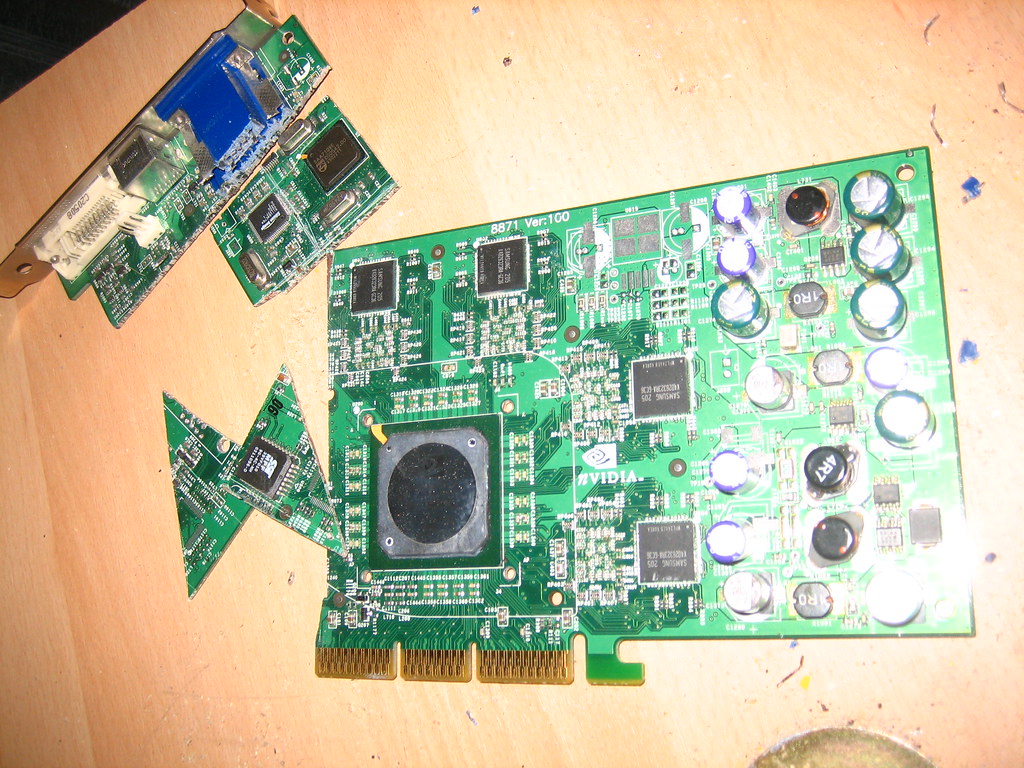
Modern compute markets are shaped not only by fabrication and hardware access, but by the accumulated routines of engineers, toolchains, and institutions. Once those routines cluster around one ecosystem, leaving becomes a social and organizational problem as much as a technical one.
In that environment, power did not belong only to the loudest founder or the most visible asset. It belonged to the operator who best understood how money, access, timing, and infrastructure could be arranged into a repeatable machine.
For Hidden Fortunes readers, this context matters because the article does not live alone. It strengthens the Compute Wars and Monopoly Structures cluster and shows why the subject belongs inside a broader ecosystem of connected power stories.
That broader editorial function is part of the value. The article is not here merely to summarize a famous episode. It is here to make later pieces in the same cluster easier to understand, connect, and trust.
That is why the opening context matters so much. Hidden Fortunes does not want the reader to enter the story at the level of trivia. It wants the reader to enter at the level of structure, where institutions, capital, and logistics begin shaping what later looks like destiny.
The Rise

Nvidia understood that hardware can start the advantage, but software can preserve it. CUDA helped make the company feel familiar, dependable, and deeply integrated into how developers and firms actually worked. As Nvidia vs. Wall Street documented, the question is no longer whether Nvidia dominates compute — it is who can realistically compete with the infrastructure layer it now controls.
The rise worked because software familiarity compounds hardware advantage by turning adoption into habit and habit into structural dependence. The visible move mattered, but the deeper edge came from identifying which layer of the system could be made compulsory for everyone else.
This is what makes the story strategic instead of merely chronological. Once the mechanism started working, later victories became easier to understand because the structure itself kept rewarding the same form of leverage.
Many readers focus on the headline event and miss the repetition underneath it. Hidden Fortunes tries to reverse that habit by treating the mechanism, not the spectacle, as the center of gravity.
Once that shift in attention happens, the story becomes more useful. The reader stops asking only who won and starts asking how the system kept rewarding the same form of leverage over time.
The Expansion of Power
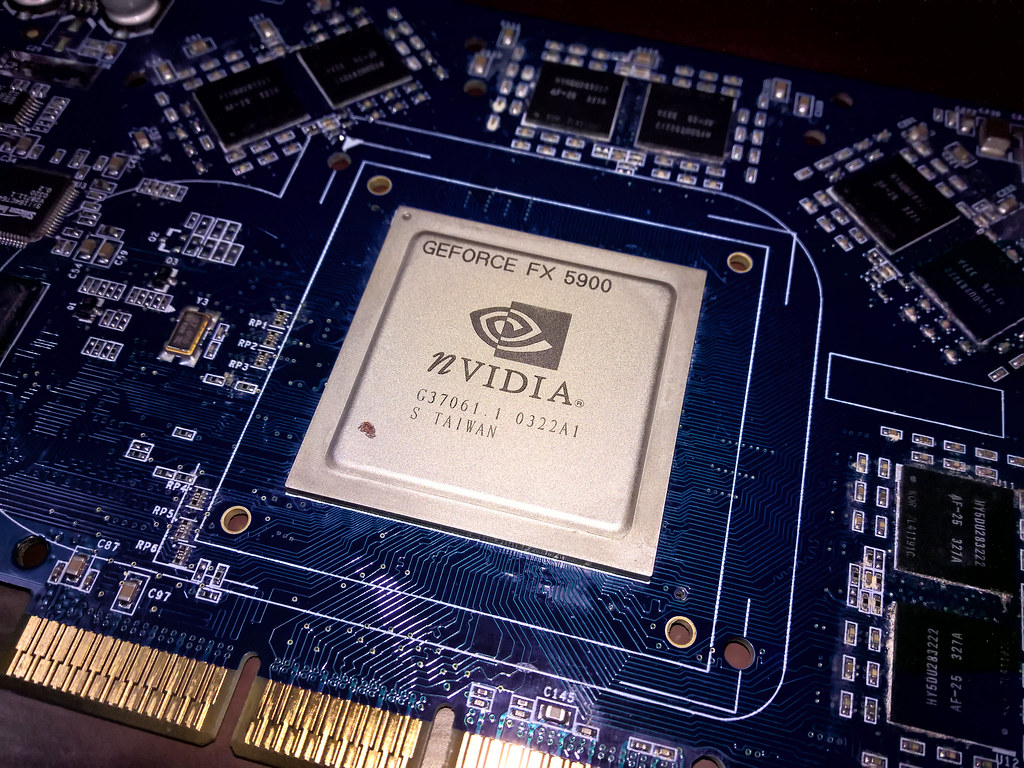
That is why custom chips and alternative accelerators do not automatically solve the market-power problem. Even when a rival product exists, organizations still have to retrain people, rewrite workflows, and absorb transition risk. The stack itself becomes part of the moat. The Broadcom custom chip empire shows what it takes to build an alternative compute path — and how difficult even well-funded competitors find that transition.
This is the point where wealth becomes architecture. Instead of depending on one transaction or one dramatic moment, developer tools, software habits, and ecosystem switching costs turned into a machine that could keep producing leverage.
That distinction matters for modern readers. The strongest fortunes are rarely built by winning one theatrical battle. They are built by making the surrounding market, bureaucracy, or infrastructure behave on your terms.
Once that stage is reached, the system begins reproducing power even when outsiders forget how the original advantage was first assembled. That is usually the moment when a fortune becomes durable enough to outlive a single founder or cycle.
For a publication like Hidden Fortunes, that is the inflection point worth studying. It is where a good story about success becomes a better story about structure.
The Hidden Strategy Behind the Fortune

The hidden strategy behind the fortune was the most durable layer of Nvidia’s power may be the developer stack that makes leaving expensive long after alternative hardware appears.
That matters because the public version of the story usually overemphasizes the visible asset and underestimates the discipline beneath it. What really created staying power was the ability to control developer tools, software habits, and ecosystem switching costs precisely enough that rivals, customers, or partners could not easily escape.
In Hidden Fortunes terms, this is where the article stops being a narrative and becomes a framework. The visible subject is CUDA and Nvidia lock-in. The durable business lesson is that power compounds fastest when it sits beneath the headline rather than inside the headline.
This is also why the article reinforces topical authority. It gives later pieces in Compute Wars and Monopoly Structures a stronger conceptual base and creates natural bridges to earlier coverage on Nvidia, custom chips, and compute sovereignty.
For American readers especially, this framing is useful because it trains attention away from surface excitement and back toward the quieter pattern of leverage. That habit transfers well across banking, industry, empire, crisis, and modern AI infrastructure.
That transferability is important. The best Hidden Fortunes articles do not merely explain one subject. They improve the reader’s pattern recognition across many subjects.
The Cost, Risk, or Collapse

Lock-in is powerful, but it is not invincible. If the stack becomes too expensive or too politically exposed, major buyers will keep searching for ways to route around it. The article should make that tension visible without pretending it has already been resolved.
The monopoly framing must also stay analytical and distinguish switching costs from legal conclusions. That is why the story should be read with strategic admiration and structural caution at the same time.
The best editorial version of the topic does not flatten the moral, political, or financial cost. It keeps the mechanism visible while remembering that effectiveness never made the mechanism neutral.
That double focus is part of the Hidden Fortunes tone. A serious publication does not confuse brilliance with innocence, and it does not confuse outrage with explanation. It keeps both in view.
This matters because trust depends on restraint. Readers should feel that the article is strategically sharp without becoming careless, and morally serious without becoming simplistic.
Lessons for Modern Business Readers
1. Control the hidden layer
The CUDA ecosystem became stronger once developer tools, software habits, and switching costs mattered more than the visible surface story of hardware performance.
2. Dependency compounds faster than attention
The strongest systems do not only attract notice. They make other actors depend on terms they did not design.
3. Infrastructure is often the real moat
The quiet layer beneath the product or headline usually produces the most durable advantage.
4. Governance and finance shape outcomes
Operational success scales faster when finance, rules, and infrastructure reinforce one another.
5. Reader trust comes from mechanism, not myth
Hidden Fortunes wins when it explains how power worked rather than flattening it into legend or outrage.
6. Batches should deepen the ecosystem
This article matters because it strengthens Compute Wars and Monopoly Structures and creates usable internal-link pathways across the publication. The reader leaves with one satisfying narrative, but the publication leaves with a stronger cluster, a cleaner linking path, and a better foundation for the next expansion wave.
Book Recommendation
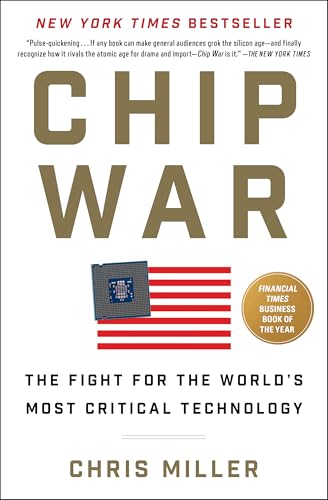
For readers who want the best next step, start with Chip War: The Fight for the World’s Most Critical Technology by Chris Miller. It is the right follow-up because it puts the CUDA moat inside a broader geopolitical story about who controls the semiconductor layer beneath modern power — without losing the strategic precision that makes the argument useful.