The market looked liquid until everyone wanted their money back at the same time.
That is the essential story of call money — the overnight broker loans that powered Wall Street before the Federal Reserve existed. The mechanism was simple: banks lent money to brokers and speculators on a “call” basis, meaning repayment could be demanded at any moment. The loans were secured by stock as collateral. During ordinary times, the arrangement was enormously profitable for lenders and convenient for borrowers. During panics, it became a compression mechanism — every call loan recalled simultaneously, every stock sold to meet the margin, every price collapsing because everyone was selling at once.
Understanding call money means understanding the hidden leverage engine beneath the visible market.
The World Before the Fortune
Before the Federal Reserve was created in 1913, the United States had no central bank to act as a lender of last resort. Banking reserves were pyramided: country banks deposited their reserves in city banks, city banks deposited in New York banks, and New York banks deployed those reserves into the call money market.
This arrangement made Wall Street the center of American credit. When country banks needed their reserves — typically during agricultural harvest season when farmers needed cash — they withdrew from New York. That withdrawal tightened call money supply. Interest rates for overnight broker loans spiked. Brokers who had borrowed to finance stock purchases were forced to sell. Prices fell.
The system was structurally fragile in a way that was not obvious during good times. When markets were rising, demand for call loans seemed insatiable. Every new participant added leverage. Every leverage position made the underlying collateral prices more important. The machine ran smoothly until the direction reversed.
The Rise
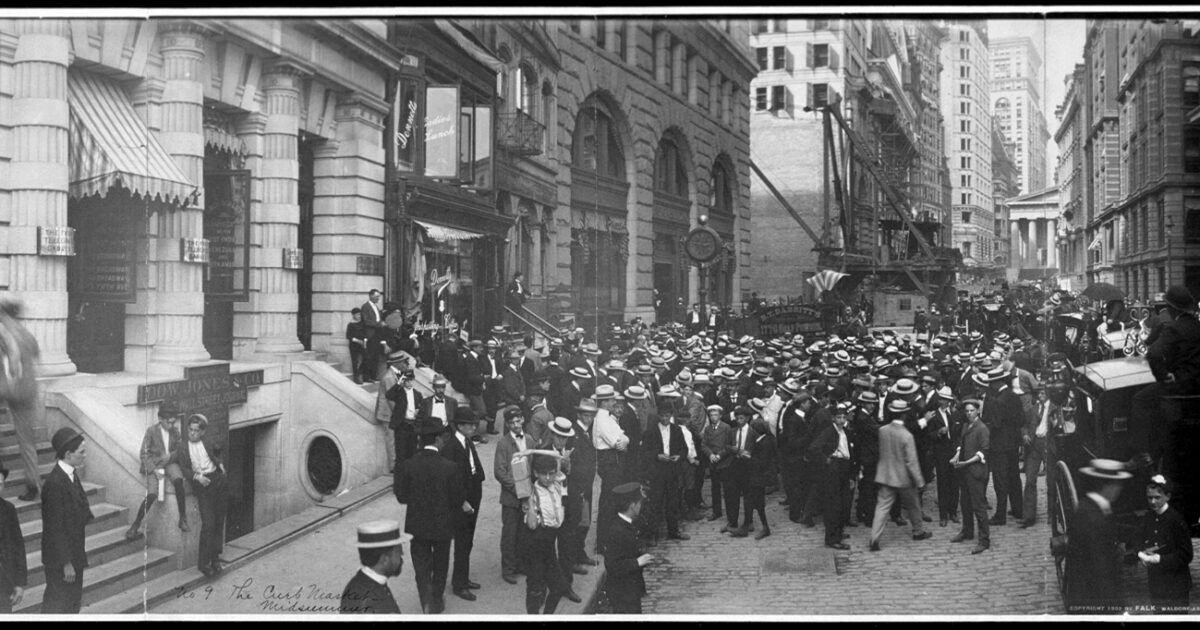
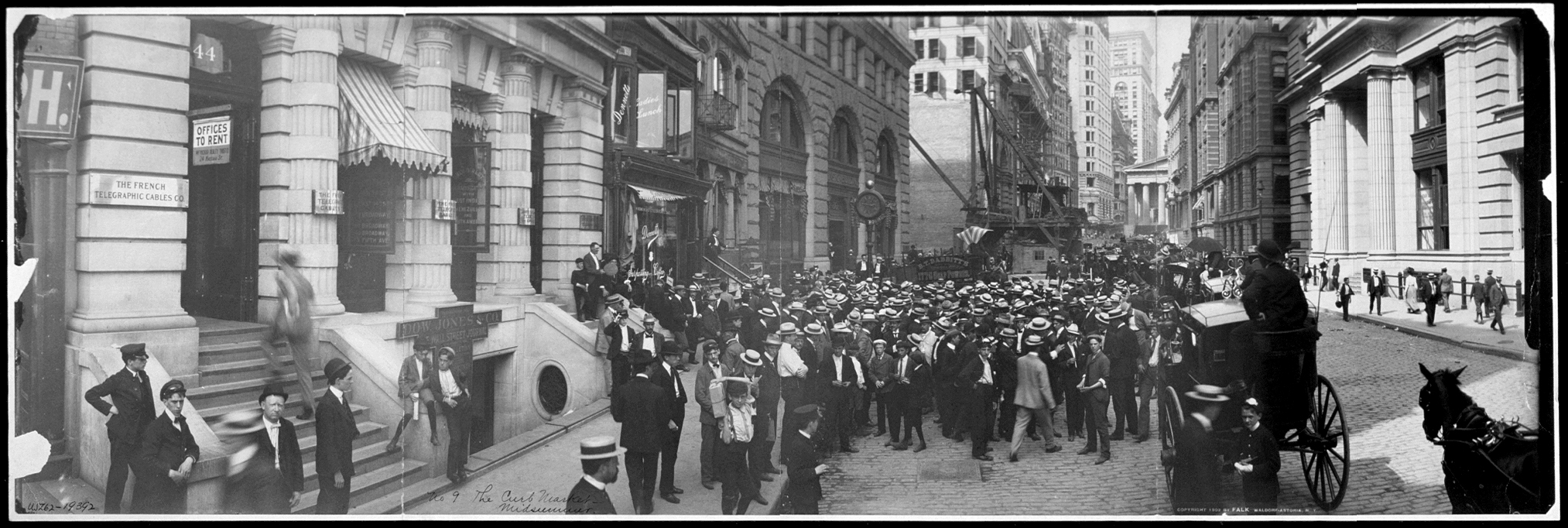
The call money market grew dramatically between the 1870s and the early 1900s as stock market speculation expanded. Brokers offered investors the ability to buy stocks with as little as ten percent down — the remainder financed by call loans at prevailing overnight rates.
For lenders, call loans were attractive precisely because they were liquid. Banks could recall the loans at will. The collateral was listed securities with visible daily prices. The interest rates were competitive. For a bank treasurer managing short-term reserves, call loans seemed to offer safety, liquidity, and yield simultaneously.
That perception was accurate during stable markets. The problem was that stability created more leverage, which made the system more fragile, which made the eventual instability more violent. The same dynamic had contributed to the gold corner crisis of 1869 — short-term speculation amplified by borrowed money, then collapsing faster than participants expected when the credit source disappeared.
The Expansion of Power
By 1907, broker loans secured by stock collateral represented a substantial fraction of New York bank lending. Interior bank reserves — deposited in New York correspondent banks — had been recycled into the call money market on an enormous scale.
This created what historians call a reserve pyramid. Every dollar of reserves in the system supported multiple dollars of call loans, which supported multiple dollars of stock purchases. The structure was self-reinforcing on the way up and self-liquidating on the way down.
The Panic of 1907 illustrated exactly how the collapse worked. When the Knickerbocker Trust Company failed and depositors began running on other trust companies, the call money market froze. Banks recalled loans. Brokers dumped stock. Prices fell, reducing collateral values, triggering more calls, producing more selling. The NYSE came within hours of closing entirely before J.P. Morgan organized emergency liquidity.
The Federal Reserve Act of 1913 was, in significant part, a response to the call money problem. By creating a central bank that could lend reserves to solvent institutions during panics, reformers hoped to break the transmission mechanism from call loan panic to systemic collapse.
The Hidden Strategy Behind the Fortune
The hidden strategy in the call money market was not a conspiracy. It was an architecture.
The actors who positioned themselves at the center of call money flows — the major New York correspondent banks, the large brokerage houses, the trust companies that competed with banks for deposits — earned steady returns during ordinary times and faced catastrophic risk during extraordinary times. The risk was rarely priced correctly because the extraordinary events were infrequent enough to be dismissed as exceptional.
Those who recognized the asymmetry — who understood that the system was profitable until it was not, and that “not” arrived with almost no warning — either exited before the panic or positioned themselves to provide emergency liquidity at crisis prices. That was the financial strategy behind figures like J.P. Morgan: not causing the panic, but being prepared to extract terms from the panic when it arrived.
The Cost, Risk, or Collapse
The call money market’s costs were distributed asymmetrically.
Interior banks that deposited reserves in New York lost liquidity at the worst possible moment — precisely when agricultural or commercial activity required cash. Small depositors in trust companies faced bank runs they did not create. Shareholders of leveraged brokerage firms were wiped out when collateral calls exceeded their ability to deliver stock.
The beneficiaries of the system — the New York banks earning call loan interest, the brokers collecting commissions on the stock purchases those loans financed, the promoters selling securities into a leveraged bull market — had already extracted their gains before the reckoning arrived.
That distribution of risk and reward is not unique to the pre-Fed era. It is the recurring structure of any leveraged financial system: the upside is private and distributed early; the downside is concentrated and arrives late.
Lessons for Modern Business Readers
Liquidity is structural, not intrinsic. Call loans looked liquid because they could be recalled at will. That “liquidity” disappeared precisely when everyone tried to exercise it simultaneously. Any financial instrument that appears liquid in normal markets should be stress-tested for correlated-withdrawal conditions.
Leverage amplifies direction, not just magnitude. The call money machine made bull markets faster and bear markets more violent. Adding leverage to a speculative position does not simply increase potential gains — it reshapes the entire timing and severity of outcomes.
The reserve pyramid creates systemic risk without anyone intending to. No single actor designed the pre-Fed reserve system to be fragile. The fragility emerged from individually rational decisions that collectively created dangerous concentration.
Crisis responders extract crisis terms. Morgan’s power in 1907 came not from causing the panic but from being the only actor with sufficient capital and coordination to stop it. Positioning for crisis response is a distinct strategy from ordinary market participation.
Reform arrives after the architecture has already caused damage. The Federal Reserve was created in 1913, six years after the 1907 panic demonstrated the system’s failure mode. Institutional reform consistently lags the problem it is designed to solve.

How This Fits the Hidden Fortunes System
The call money machine adds a mechanism that Hidden Fortunes has not covered elsewhere: the structural leverage channel that connected provincial bank reserves to Wall Street speculation before any central bank existed to interrupt the transmission.
It connects to the site’s existing coverage of the 1907 Panic, the 1869 gold panic, and Hamilton’s public credit machine. Each story is a variation on the same question: what happens when the mechanism that distributes liquidity becomes the mechanism that transmits panic?
Conclusion
The Call Money Machine explains why leverage can look harmless while confidence is abundant and lethal when confidence disappears. It was not just a funding tool. It was a transmission belt from speculation into systemic fear.
The Federal Reserve ended the worst features of the call money system — but it did not end the underlying dynamic. Overnight lending against volatile collateral, reserve pyramiding, leverage amplifying both directions of a market move: these recur in modern form in repo markets, margin lending, and structured credit. The names change. The mechanism does not.
Further Reading
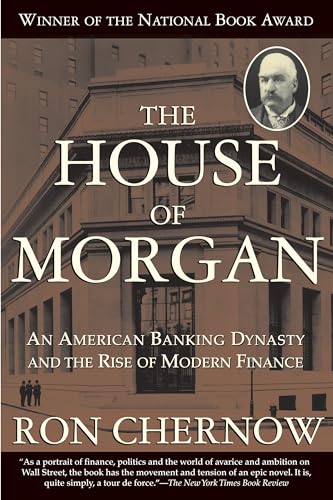
For readers who want the full institutional story behind the banking system that produced the call money era, The House of Morgan by Ron Chernow remains the definitive account. It traces the Morgan banking empire from its origins through the 1907 crisis and beyond — showing exactly how private banking power filled the vacuum that no central bank existed to occupy.