Empires expand with ships and armies, but they endure through money people believe will still mean the same thing tomorrow.
On the surface, the gold standard can look like a dry monetary regime rather than a live system of imperial power. But Hidden Fortunes is interested in what sits below the surface. The real question is how monetary credibility, settlement expectations, and imperial-scale trust became the deeper mechanism that made Britain’s financial advantage durable — and how one institution sat near the center of that discipline.
That is why this article matters beyond its own topic. It is not only about the Bank of England under the gold standard. It is about how wealth compounds once someone begins controlling the structure everybody else still needs.
The World Before the Fortune

As Britain rose, its financial strength depended on more than trade volume or industrial output. It depended on whether counterparties around the world believed London money, London settlement, and British financial promises would remain legible and dependable.
In that environment, power did not belong only to the loudest founder or the most visible asset. It belonged to the operator who best understood how money, access, timing, and infrastructure could be arranged into a repeatable machine. For Britain, that operator was an institution rather than a person.
For Hidden Fortunes readers, this context matters because the article does not live alone. It strengthens the Banking Dynasties and Empire Economics cluster and shows why the subject belongs inside a broader ecosystem of connected power stories.
That broader editorial function is part of the value. The article is not here merely to summarize a famous episode. It is here to make later pieces in the same cluster easier to understand, connect, and trust.
Hidden Fortunes does not want the reader to enter the story at the level of trivia. It wants the reader to enter at the level of structure, where institutions, capital, and logistics begin shaping what later looks like destiny.
The Rise

The gold standard strengthened confidence by tying expectations to a framework markets treated as disciplined and intelligible. The Bank of England mattered because it sat near the center of that discipline and helped make credibility feel institutional rather than personal.
The rise worked because monetary trust became scalable once one institution could help anchor how a global system interpreted value and convertibility. The visible move mattered, but the deeper edge came from identifying which layer of the system could be made compulsory for everyone else.
Under the gold standard, London became the clearing point for global settlements. A merchant in Bombay, a banker in Buenos Aires, a trader in Hong Kong — all of them operated inside a system whose rules were written in sterling and enforced through the credibility of institutions on Threadneedle Street.
Many readers focus on the headline event and miss the repetition underneath it. Hidden Fortunes tries to reverse that habit by treating the mechanism, not the spectacle, as the center of gravity.
Once that shift in attention happens, the story becomes more useful. The reader stops asking only who won and starts asking how the system kept rewarding the same form of leverage over time.
The Expansion of Power
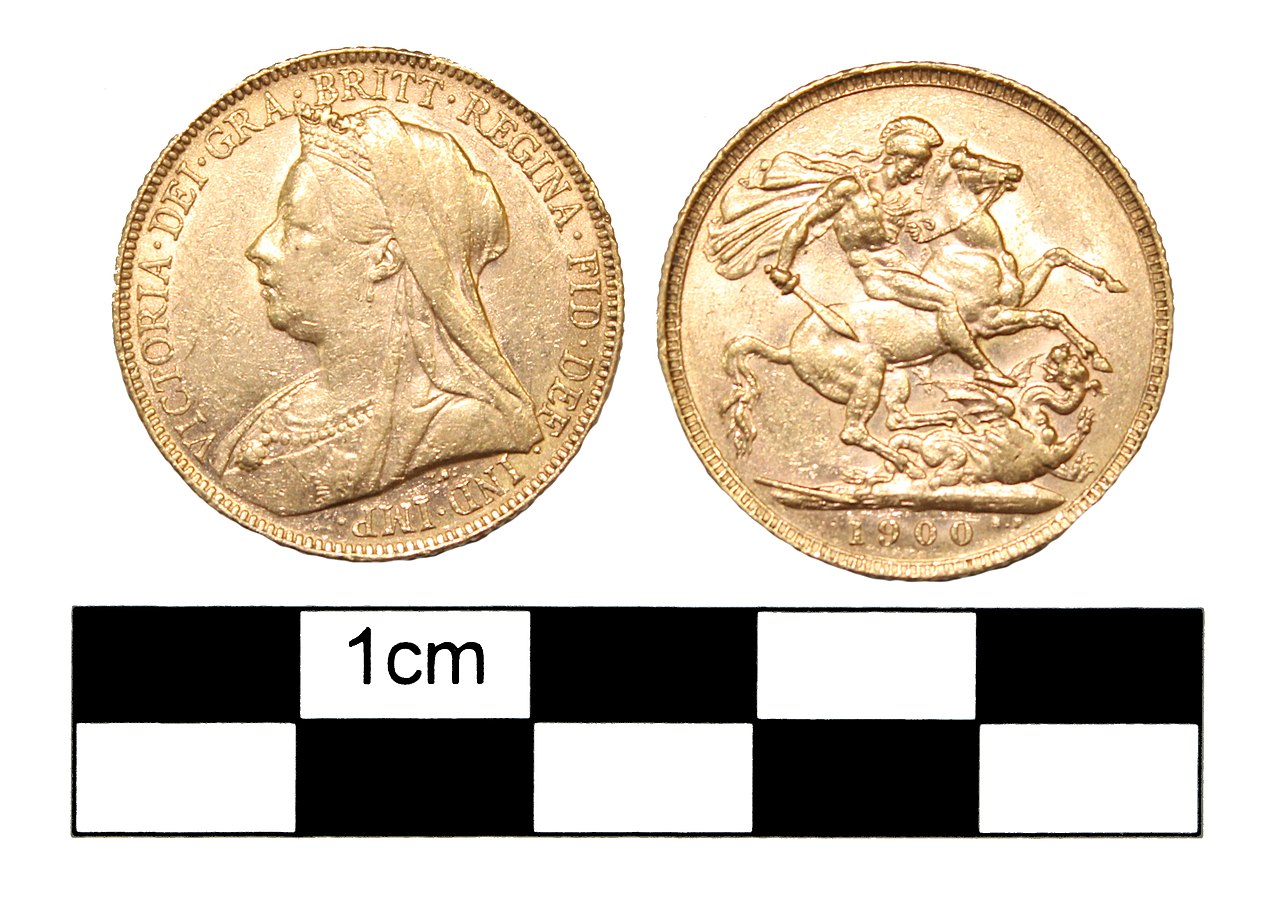
The gold standard was not merely a technical arrangement. It was one of the quiet systems that helped an empire make its money travel farther than its flags alone could have carried it.
This is the point where wealth becomes architecture. Instead of depending on one transaction or one dramatic moment, monetary credibility, settlement expectations, and imperial-scale trust turned into a machine that could keep producing leverage across continents and decades.
That distinction matters for modern readers. The strongest fortunes are rarely built by winning one theatrical battle. They are built by making the surrounding market, bureaucracy, or infrastructure behave on your terms. For Britain, that meant making the gold standard’s rules feel like natural law rather than political choice.
Once that stage is reached, the system begins reproducing power even when outsiders forget how the original advantage was first assembled. That is usually the moment when a fortune becomes durable enough to outlive a single founder or cycle.
For a publication like Hidden Fortunes, that is the inflection point worth studying. It is where a good story about success becomes a better story about structure.
The Hidden Strategy Behind the Fortune

The hidden strategy was turning monetary credibility into imperial infrastructure by anchoring settlement, confidence, and long-distance finance to one institutional center.
That matters because the public version of the story usually overemphasizes the visible asset — the gold bar, the exchange rate, the interest rate decision — and underestimates the discipline beneath it. What really created staying power was the ability to control monetary credibility precisely enough that rivals and partners could not easily escape the London-centred system.
In Hidden Fortunes terms, this is where the article stops being a narrative and becomes a framework. The visible subject is the Bank of England under the gold standard. The durable business lesson is that power compounds fastest when it sits beneath the headline rather than inside the headline.
This is also why the article reinforces topical authority. It gives later pieces in Banking Dynasties a stronger conceptual base and creates natural bridges to the London gold fix and Ray Dalio’s analysis of shifting financial orders — both of which extend the same logic into different eras.
The best Hidden Fortunes articles do not merely explain one subject. They improve the reader’s pattern recognition across many subjects.
The Cost, Risk, or Collapse
Rigid credibility can also create strain. Systems built around confidence and convertibility can become fragile when political reality, war, or economic pressure makes the old discipline too costly to sustain.
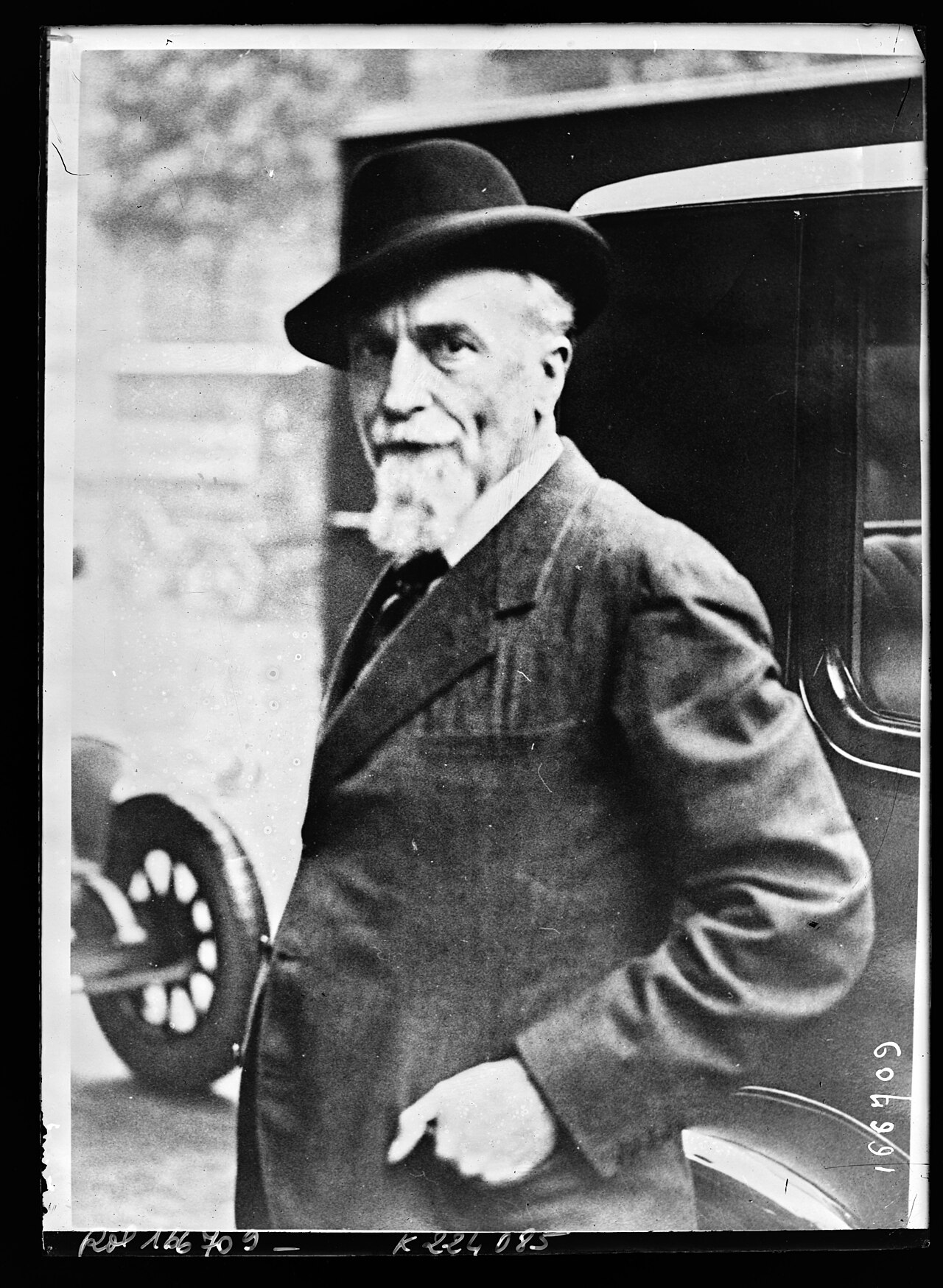
Britain’s return to the gold standard in 1925 at the pre-war parity — a decision partly driven by Montagu Norman and the Bank of England — produced exactly that strain. The rate was too high for British industry to compete, and the deflation required to defend it damaged employment and wages without restoring the conditions that had made the original gold standard work.
The best editorial version of the topic does not flatten the moral, political, or financial cost. It keeps the mechanism visible while remembering that effectiveness never made the mechanism neutral.
That double focus is part of the Hidden Fortunes tone. A serious publication does not confuse brilliance with innocence, and it does not confuse outrage with explanation. It keeps both in view.
This matters because trust depends on restraint. Readers should feel that the article is strategically sharp without becoming careless, and morally serious without becoming simplistic.
Lessons for Modern Business Readers

1. Control the hidden layer
The gold standard became decisive once monetary credibility mattered more than any individual transaction. The hidden layer — the rules governing settlement and convertibility — was the real product Britain sold to a global market.
2. Dependency compounds faster than attention
The strongest systems do not only attract notice. They make other actors depend on terms they did not design. Every merchant who priced in sterling was reinforcing a system they had no role in building.
3. Infrastructure is often the real moat
The quiet layer beneath the product or headline usually produces the most durable advantage. In this case, it was settlement infrastructure and convertibility credibility — invisible to most users, decisive for all of them.
4. Credibility is fragile in ways that power is not
Once a confidence-based system over-commits — as Britain did by returning to gold at too high a parity — the adjustment cost falls on those least able to bear it. Institutional discipline and political sustainability are not the same thing.
5. Pattern recognition transfers across domains
The monetary credibility logic — one institution anchoring a system others depend on — reappears in dollar hegemony, central bank independence debates, and the structural role of US Treasury markets today. Hidden Fortunes wins when it explains how power worked rather than flattening it into legend or outrage.
Book Recommendation
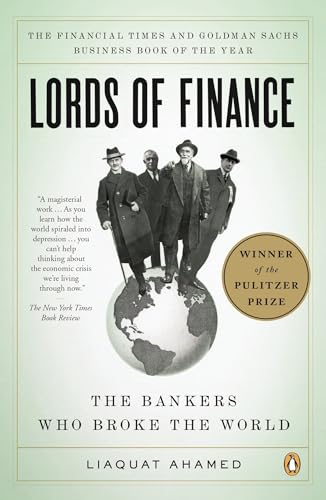
For readers who want the best next step, start with Lords of Finance: The Bankers Who Broke the World by Liaquat Ahamed. This Pulitzer Prize winner follows Montagu Norman and three other central bankers through the gold standard’s interwar collapse — the right follow-up because it deepens the strategic system behind this article without flattening the historical complexity.