The World Before the Fortune
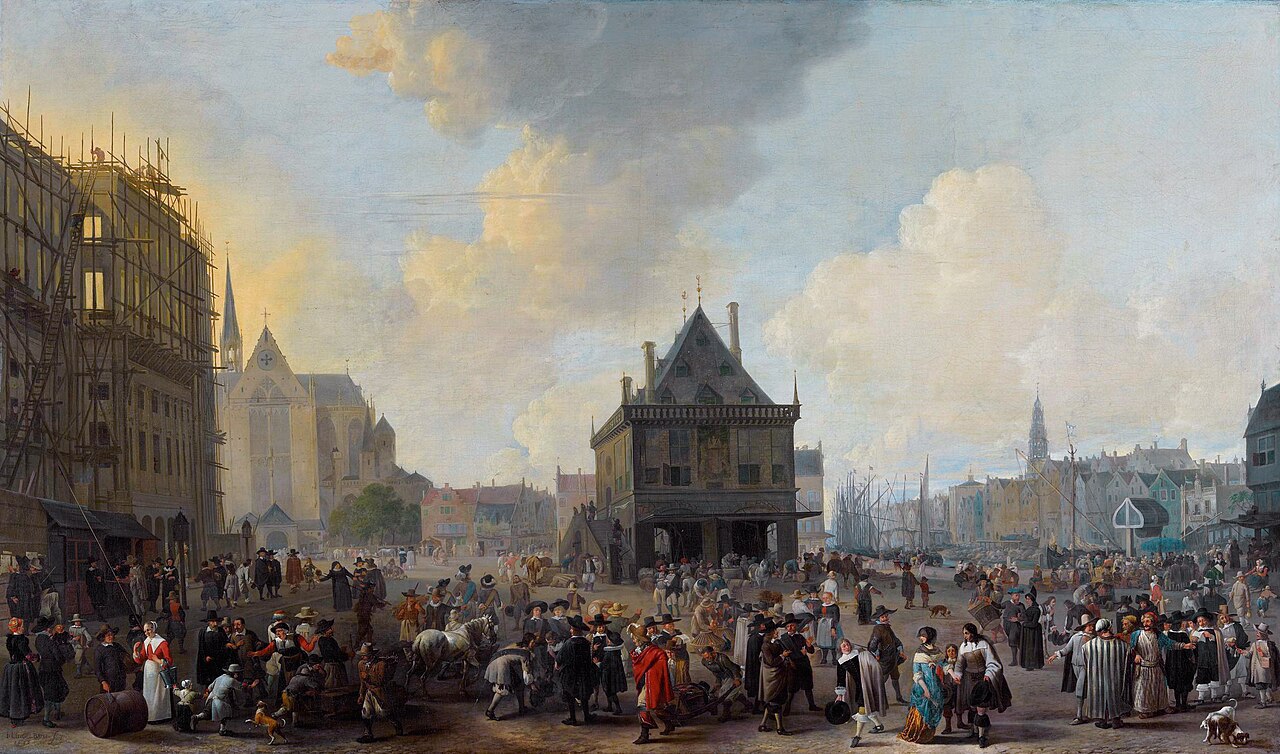
Seventeenth-century Dutch commercial power was built on density — dense trade networks, dense urban capital, dense webs of credit and obligation stretching from Amsterdam to Batavia, Antwerp, Hamburg, and London. But density creates friction. Bills of exchange circulated in dozens of currencies of uncertain weight and purity. Merchants who had done business across three countries might find themselves holding claims that nobody could settle cleanly.
In that environment, confidence was the scarcest commodity. A merchant who could trust that his counterparty would settle in full, on time, in money of known quality, was operating with a structural advantage over everyone who could not. The Bank of Amsterdam — the Wisselbank, founded by the city in 1609 — was built precisely to make that confidence tradable at scale.
The Rise
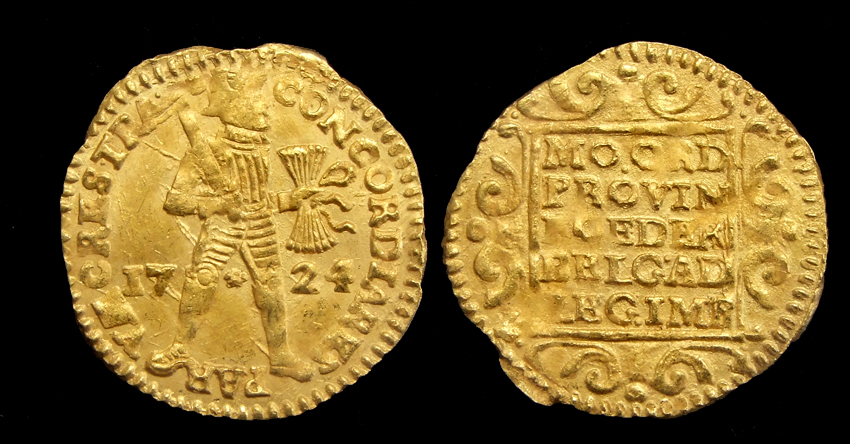
The Wisselbank began with a narrow mandate: merchants could deposit coins of varying quality and receive a credit in “bank money” — a unit of account maintained at consistent silver content. That deposit account could then be used to settle commercial debts by simple book transfer, without the physical movement of coin. For a city conducting trade across dozens of currency zones, this was transformative.
The mechanism worked because it removed a layer of uncertainty that had taxed every commercial transaction. The VOC’s shareholders trusted their dividends partly because they trusted the settlement infrastructure beneath them. Grain dealers, cloth merchants, and spice importers all found that Amsterdam counterparties were easier to deal with than anyone operating outside the system — and that differential made Amsterdam the default location for commerce that could have happened anywhere.
The Expansion of Power
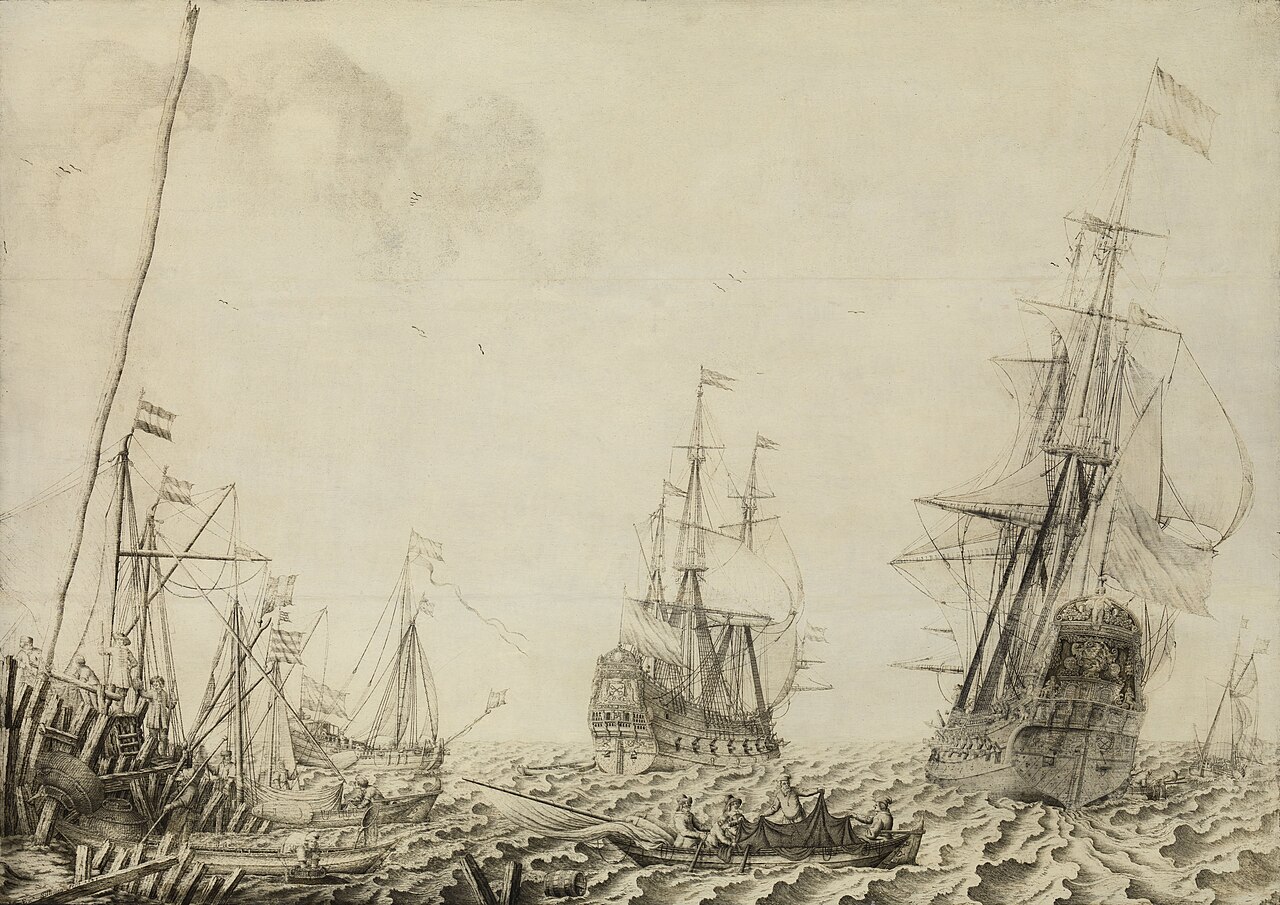
As the Wisselbank’s reputation spread, “bank money” traded at a premium over ordinary coin — a premium called the “agio.” Merchants were willing to pay above face value for settlement certainty. That agio became a signal visible across Europe: Amsterdam had solved a coordination problem that every other commercial city was still struggling with.
The deeper consequence was that Amsterdam became the center of gravity for European financial markets. Bills of exchange drawn on Amsterdam could be discounted anywhere on the continent. Credit flowed toward the city because the city had made its money dependable. The VOC could raise capital at lower cost than its English and French competitors partly because the financial infrastructure behind its shares was more credible. Financial architecture created the commercial edge, not the other way around.
The Hidden Strategy Behind the Fortune
The hidden strategy behind the Wisselbank was not to profit directly from banking — the bank paid no interest on deposits and charged modest fees. The strategy was to make Amsterdam indispensable by solving the problem that everyone else was paying to avoid. A city whose money could be trusted became a city whose merchants, factors, and credit networks were consulted first.
This is the same logic that runs through every durable financial institution: the entity that controls settlement controls the terms of participation. Once merchants routed their largest transactions through Amsterdam bank money, the cost of moving to an alternative settlement system became prohibitive. Correspondent relationships, credit lines, and commercial habits all accumulated on top of the original infrastructure, making it stickier with every decade that passed.
The Cost, Risk, or Collapse
The Wisselbank’s structure contained a vulnerability that would not become visible for more than a century. The bank’s credibility rested on the assumption that its coin reserves actually backed the bank money in circulation. For most of its history that assumption was correct. But during the Fourth Anglo-Dutch War (1780–1784), the bank began issuing credits against loans to the Dutch East India Company and the city of Amsterdam itself — obligations that were not backed by coin.
When the VOC collapsed under its accumulated debts and the Dutch Republic entered political crisis, the gap between Wisselbank liabilities and actual reserves became impossible to hide. The kind of credibility crisis that would later devastate Baring Brothers struck first and quietly in Amsterdam. The bank wound down in 1820, its era of dominance long past. The English had copied its model — and improved on it — with the Bank of England, which added the ability to act as a lender of last resort.
Lessons for Modern Business Readers
1. Settlement is infrastructure
The Wisselbank did not compete with merchants — it made merchant competition possible on better terms. Any platform or institution that reduces transaction friction for a large enough population becomes structurally embedded regardless of what it charges.
2. Trust is a network effect
The agio — the premium bank money commanded over ordinary coin — was a real-time price on trust. Once enough counterparties accepted that premium, refusing to accept it became a competitive disadvantage. Trust compounded as long as the mechanism held.
3. Copying the model beats fighting it
The Bank of England did not defeat the Wisselbank in a direct contest. It copied the core insight — stable money makes investment in real infrastructure more efficient — and added features Amsterdam lacked. The next dominant institution usually learns from the last one rather than ignoring it.
4. Hidden leverage outlasts visible power
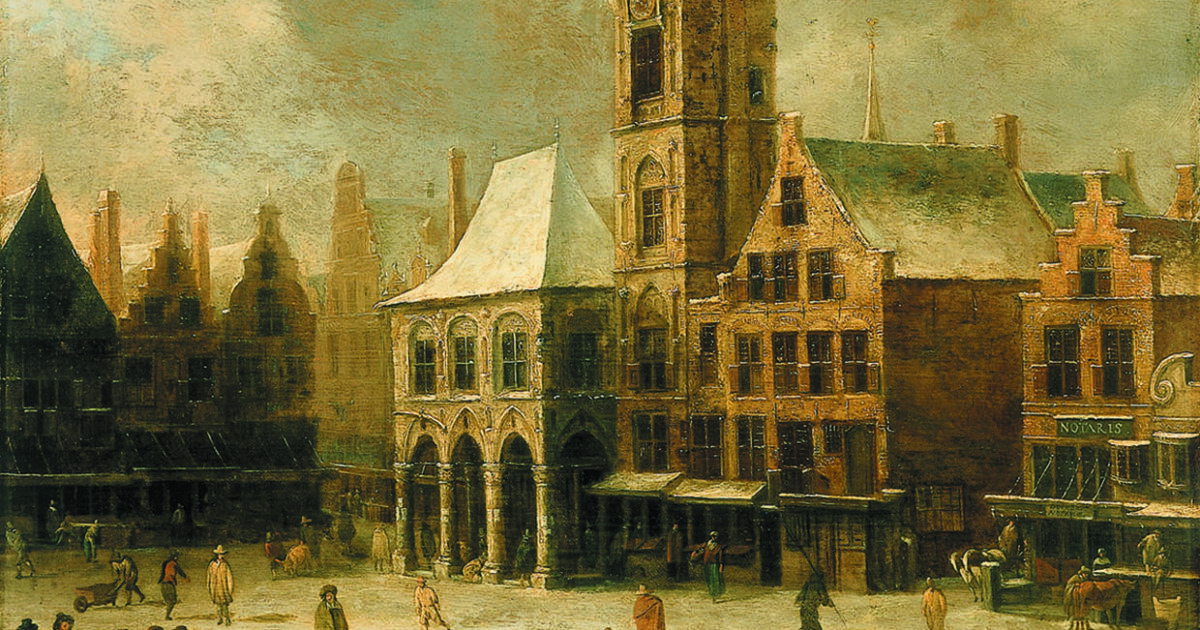
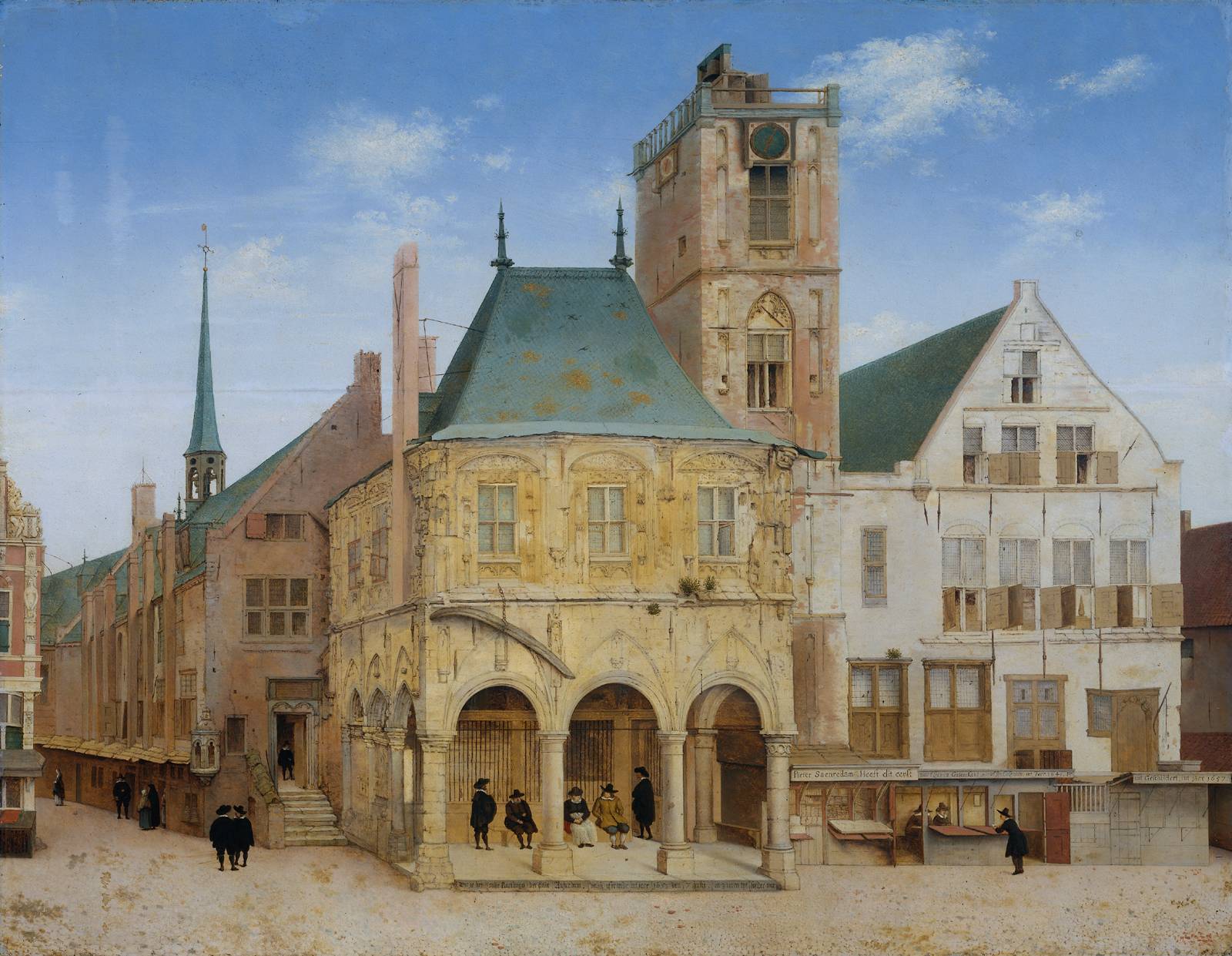
At its peak, the Wisselbank did not look like a seat of power. It was a quiet municipal institution on the ground floor of the Amsterdam city hall. Its influence operated below the level of diplomatic negotiation or military maneuver — and was more durable for it.
5. The model fails when reserves diverge from liabilities
Every institution built on confidence eventually faces a test of whether the confidence was warranted. The Wisselbank passed that test for 170 years. It failed when political pressure caused it to issue credits unsupported by real reserves. The mechanism and the discipline are inseparable.
6. Infrastructure authority outlasts the original builder
Amsterdam lost its commercial primacy to London. But the financial innovations the Dutch Republic developed — the joint-stock company, the stock exchange, the clearinghouse — became the foundation on which London, and later New York, built. The creator of infrastructure rarely captures all its long-run value.
Read Next
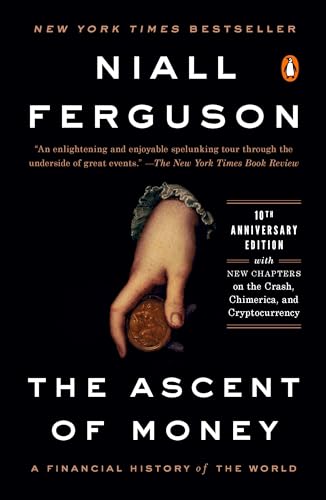
Niall Ferguson’s The Ascent of Money opens with Amsterdam and traces how the financial tools the Dutch Republic invented — banking, insurance, the stock market — spread across the world and shaped modern capitalism. It is the most accessible account of why the Wisselbank’s innovations mattered far beyond the seventeenth century.