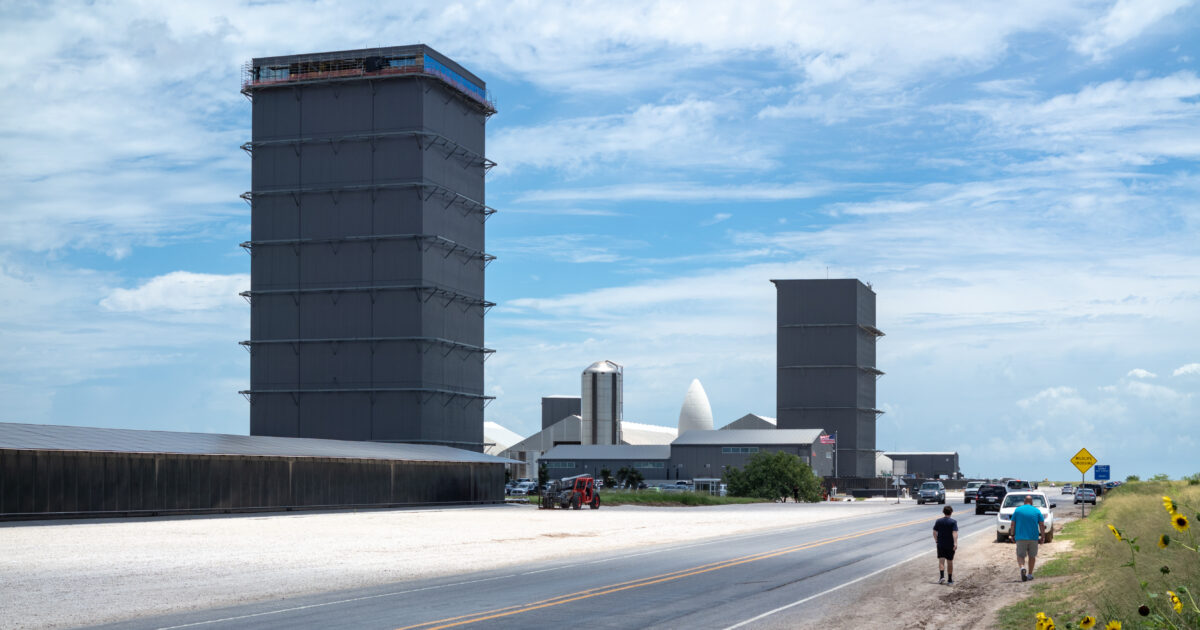
In modern finance, the loudest capital raise is not always the final one. Sometimes it is the one that makes the next raise cheaper.
When SpaceX completed its public offering and brought retail and institutional investors into a space infrastructure story for the first time, the financial community celebrated a milestone. But the strategically interesting moment came shortly after — when SpaceX moved to the bond market. A company that had just accessed the deepest pool of equity capital in the world decided that debt was still worth having.
That decision is not contradictory. It is architectural. Understanding why SpaceX raised bonds after its IPO requires understanding how capital structure works at infrastructure scale — and why the most sophisticated builders always use multiple instruments rather than relying on any single source of funding.
The World Before the Fortune
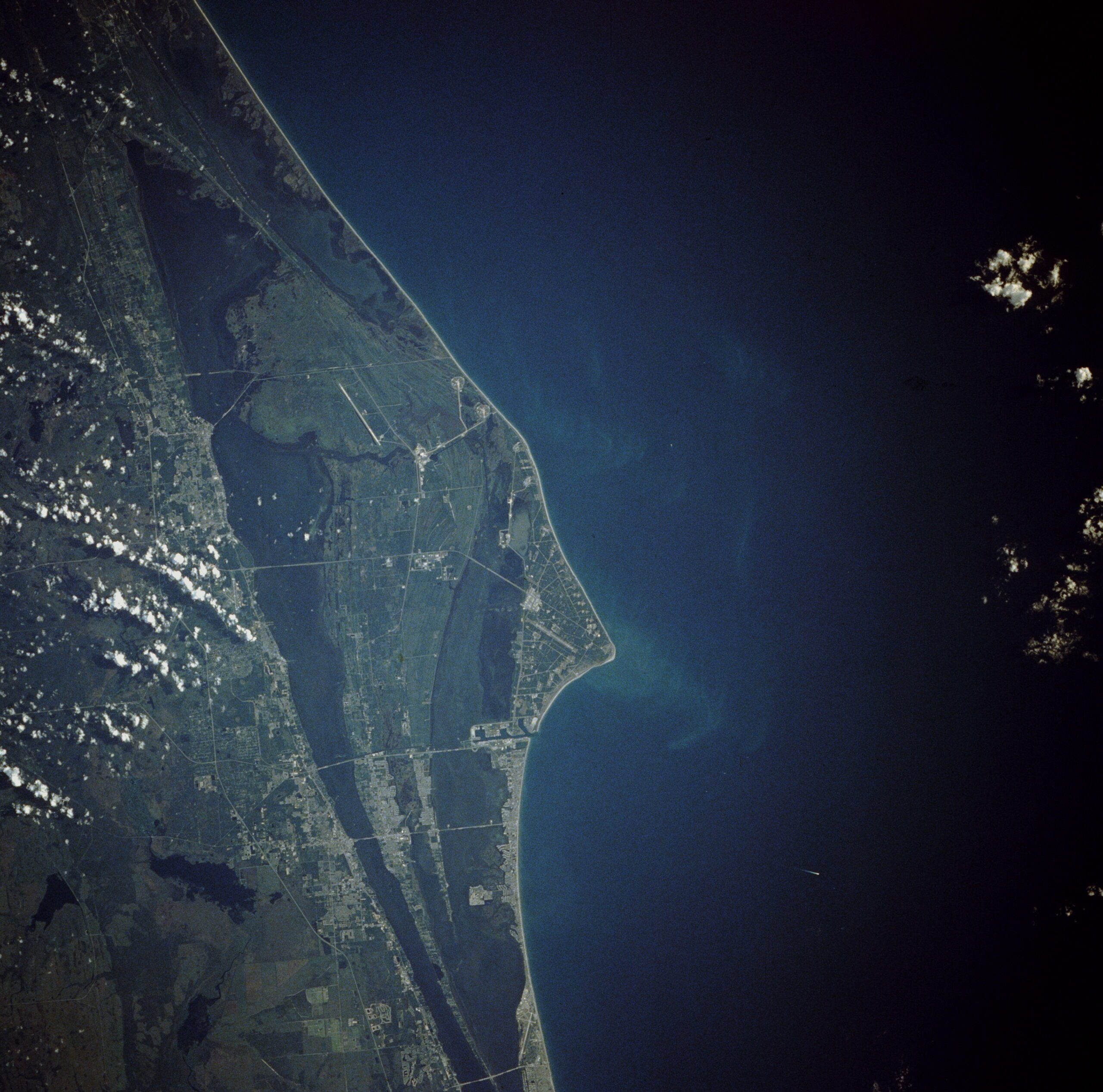
Capital-intensive infrastructure empires have always faced the same structural challenge: how do you keep funding expansion across a decade-long buildout without surrendering control through equity dilution, or becoming fragile through excessive debt? The great infrastructure builders of the nineteenth century — railroads, telegraph, canals — solved this through bonds. The great technology infrastructure builders of the twenty-first century are rediscovering the same logic.
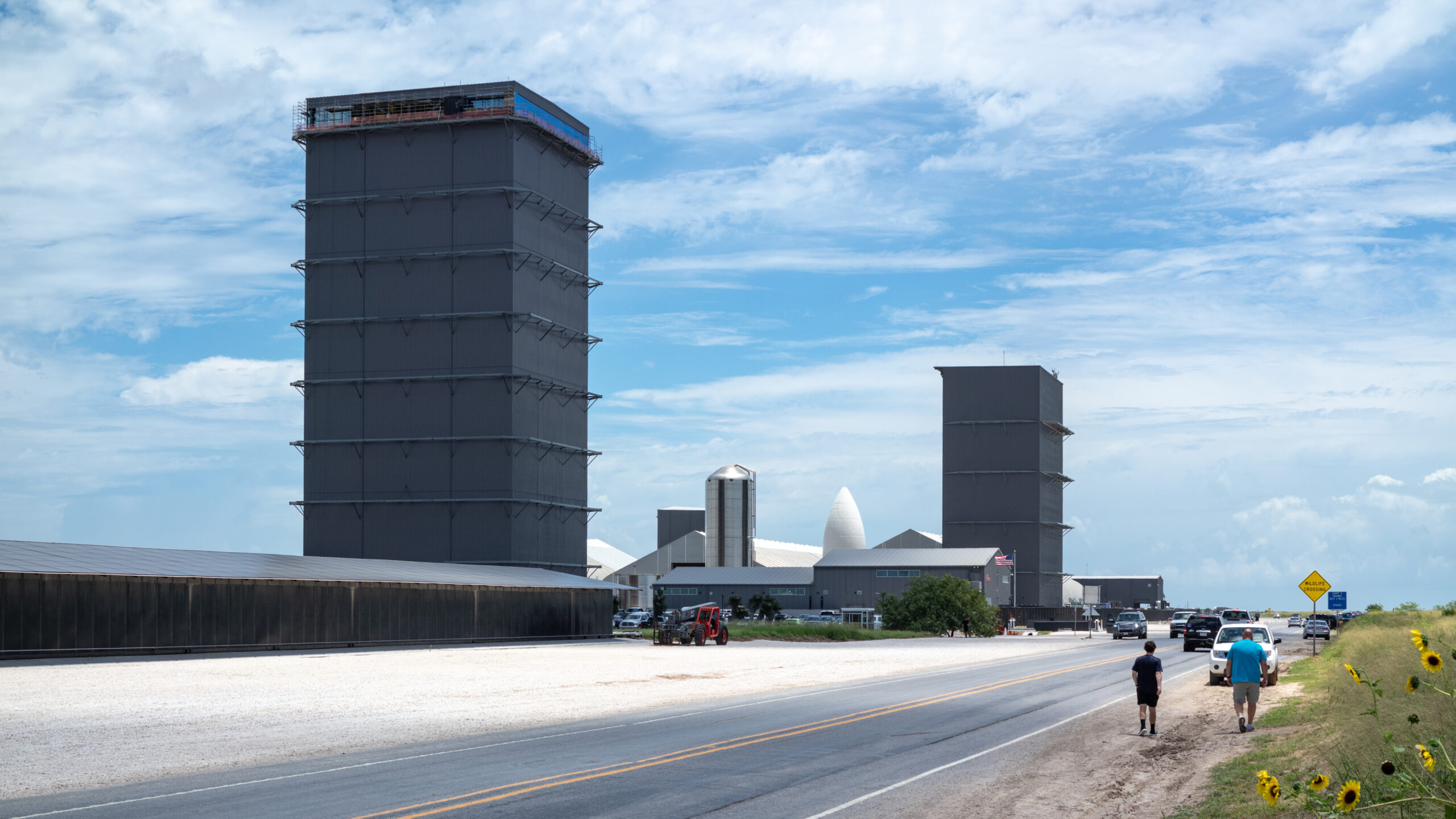
SpaceX operates in a capital environment that is structurally unique. Its programs — the Falcon 9 reusable rocket fleet, the Starship orbital launch system, the Starlink satellite internet constellation — are not software products with low marginal costs. They are physical systems that require continuous capital investment to build, operate, maintain, and expand. A Starship rocket costs hundreds of millions of dollars to develop. Deploying a global satellite internet constellation at the scale SpaceX has targeted requires building and launching thousands of satellites, each of which costs real money to manufacture and orbit.
That capital requirement does not end at the IPO. An IPO provides a one-time injection. An infrastructure machine requires continuous funding. The bond market provides something different from equity: it is patient capital at a known cost, non-dilutive to existing shareholders, and available at terms that improve as an issuer’s creditworthiness grows.
The Rise
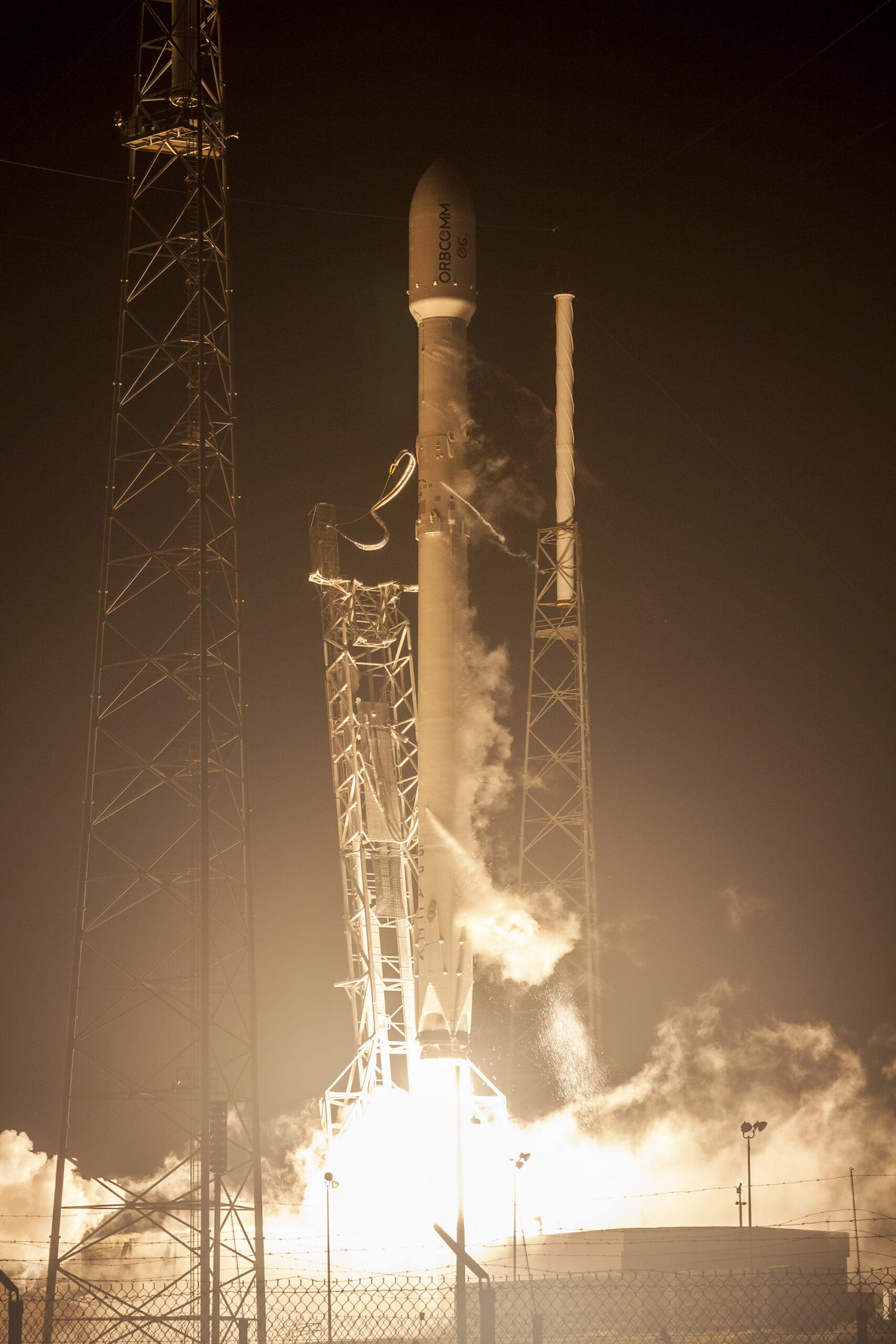
The mechanism linking the IPO to the bond offering is credit perception. Bond investors — institutional funds, insurance companies, pension allocators — price debt based on their assessment of the borrower’s ability to generate future cash flows. Before a company has public equity, those assessments rely on private financial disclosures and the reputation of the company’s existing backers. After a public offering, bond investors have something additional: a live market price, a public investor base, and the implied validation of an exchange listing.
The IPO, in other words, was not just capital — it was credibility infrastructure. By establishing a public price for SpaceX equity, the offering gave bond markets a reference point for valuing the company’s creditworthiness. The equity value implied by the public market provides a cushion against which debt can be more confidently priced. This is the same mechanism that makes it easier for any publicly traded company to issue bonds at lower spreads than a comparable private company with identical fundamentals.
SpaceX’s specific advantage in this dynamic is the cash flow profile of its two core businesses. The Falcon 9 launch business generates real, recurring revenue from NASA contracts, commercial satellite operators, and the United States Department of Defense. Starlink generates subscription revenue from hundreds of thousands of end users across dozens of countries. Neither of those cash flow streams existed at institutional scale a decade ago. Today they provide a credible foundation for debt service.
The Expansion of Power
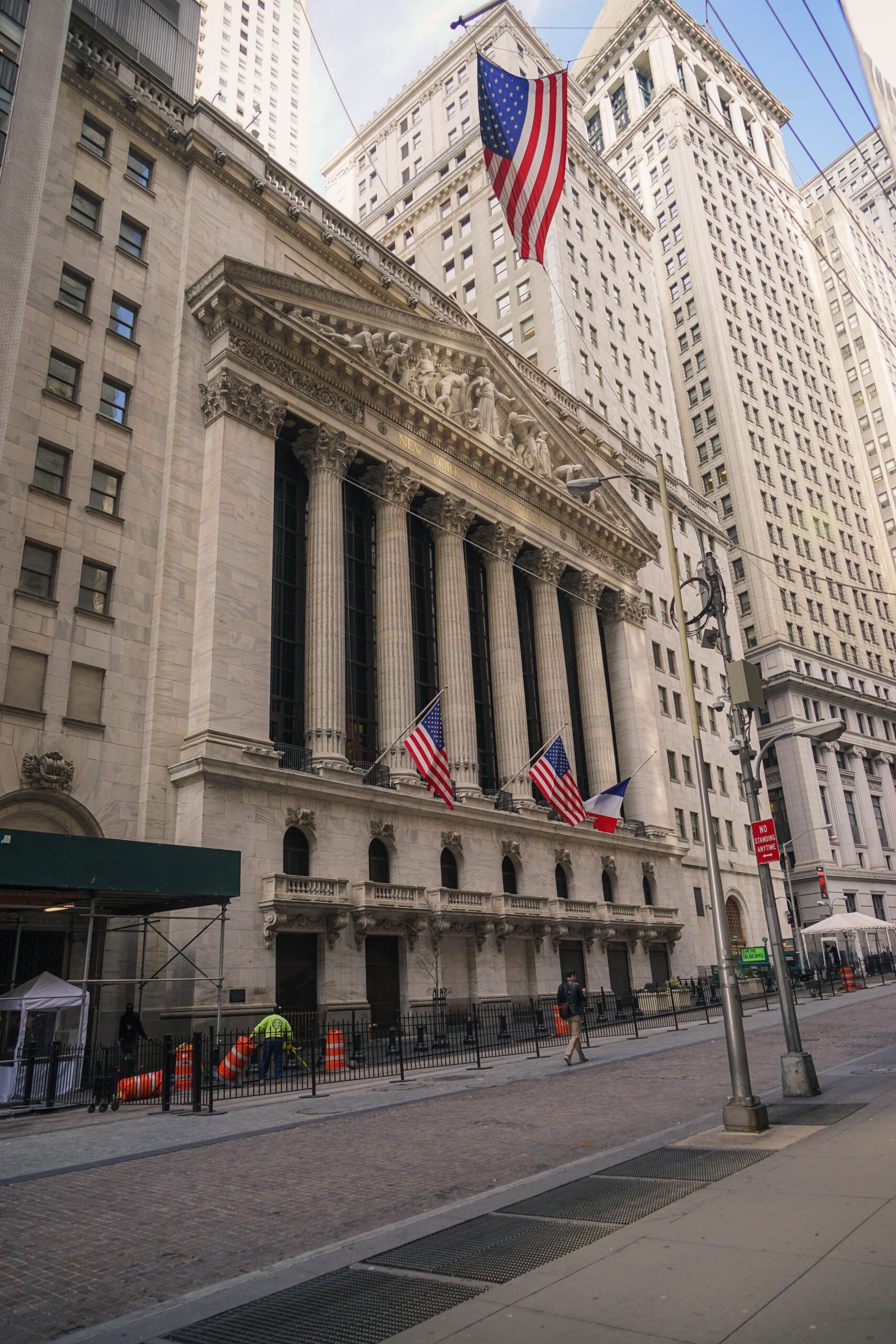
The bond market matters for SpaceX in ways that go beyond the cost of capital. Access to the investment-grade debt markets — or even the high-yield markets — transforms how the company can plan its expansion timeline. Equity markets are volatile. Bond markets, once an issuer has established a track record, are far more predictable. A company that can issue bonds at a known spread above Treasury rates can plan a multi-year capital program with far greater precision than one that must time equity raises to favorable market windows.
This is the same logic that drove data center operators — as explored in our analysis of the Oracle AI debt strategy — to load up on bond-financed infrastructure even in a high-rate environment. The capital-intensity of the program demands it. A satellite constellation that needs to continuously replace aging satellites, upgrade ground stations, and launch new orbital shells cannot pause its investment program because equity markets are having a bad quarter.
SpaceX’s bond strategy also creates a signaling effect for its competitors. Infrastructure-scale AI and space companies that cannot access bond markets cheaply are constrained to equity financing — which either means more dilution or slower build-out. SpaceX’s ability to layer debt on top of equity at competitive rates gives it a capital-efficiency advantage that compounds over time. A company that can fund $10 billion of infrastructure with $6 billion of equity and $4 billion of bonds has spent $6 billion from its shareholders’ perspective. A company that funded the same program entirely through equity spent $10 billion.
The Hidden Strategy Behind the Fortune
The hidden strategy in SpaceX’s capital structure is not any individual instrument. It is the sequencing. The company used early-stage venture capital to fund proof of concept. It used NASA contracts to fund operational scaling. It used government and commercial launch revenue to fund Starlink’s early buildout. It used the IPO to establish public credibility and provide liquidity for early investors. And now it is using bonds to fund the next phase of expansion at lower cost than equity would allow.
Each step in that sequence was only possible because the previous step succeeded. The venture capital required the early launches. The NASA contracts required demonstrated operational reliability. The IPO required a revenue story. The bonds require the IPO’s credibility. This is infrastructure finance as a compound machine: each layer of capital makes the next layer cheaper.
The same pattern has appeared in every major infrastructure buildout in history. The railroads used land grants to get started, bond markets to build out, and equity markets to refinance once the routes were proven. The telecommunications companies of the 1990s used junk bonds to fund fiber networks before those networks had revenue. The difference with SpaceX is that the sequencing has been unusually disciplined — the company has consistently avoided raising capital before the next use of proceeds was clearly defined.
The Cost, Risk, or Collapse
Debt can speed expansion, but it also hardens expectations. Once creditors enter the story, the company has a fixed obligation that does not fluctuate with its business results. A missed launch window, a regulatory delay for Starlink in a key market, a failure of Starship at a critical development stage — any of these events delays cash flow without delaying the bond coupon payments that must be met regardless.
The specific risks in SpaceX’s bond profile are the ones that are hardest to model: technology execution risk and regulatory risk. A rocket company’s ability to service debt depends on launch cadence and mission success rates. Starlink’s subscriber revenue depends on spectrum licenses and landing rights in each market it enters. Both of those variables are more volatile than the earnings of a conventional industrial company whose debt investors can price with historical comparables.
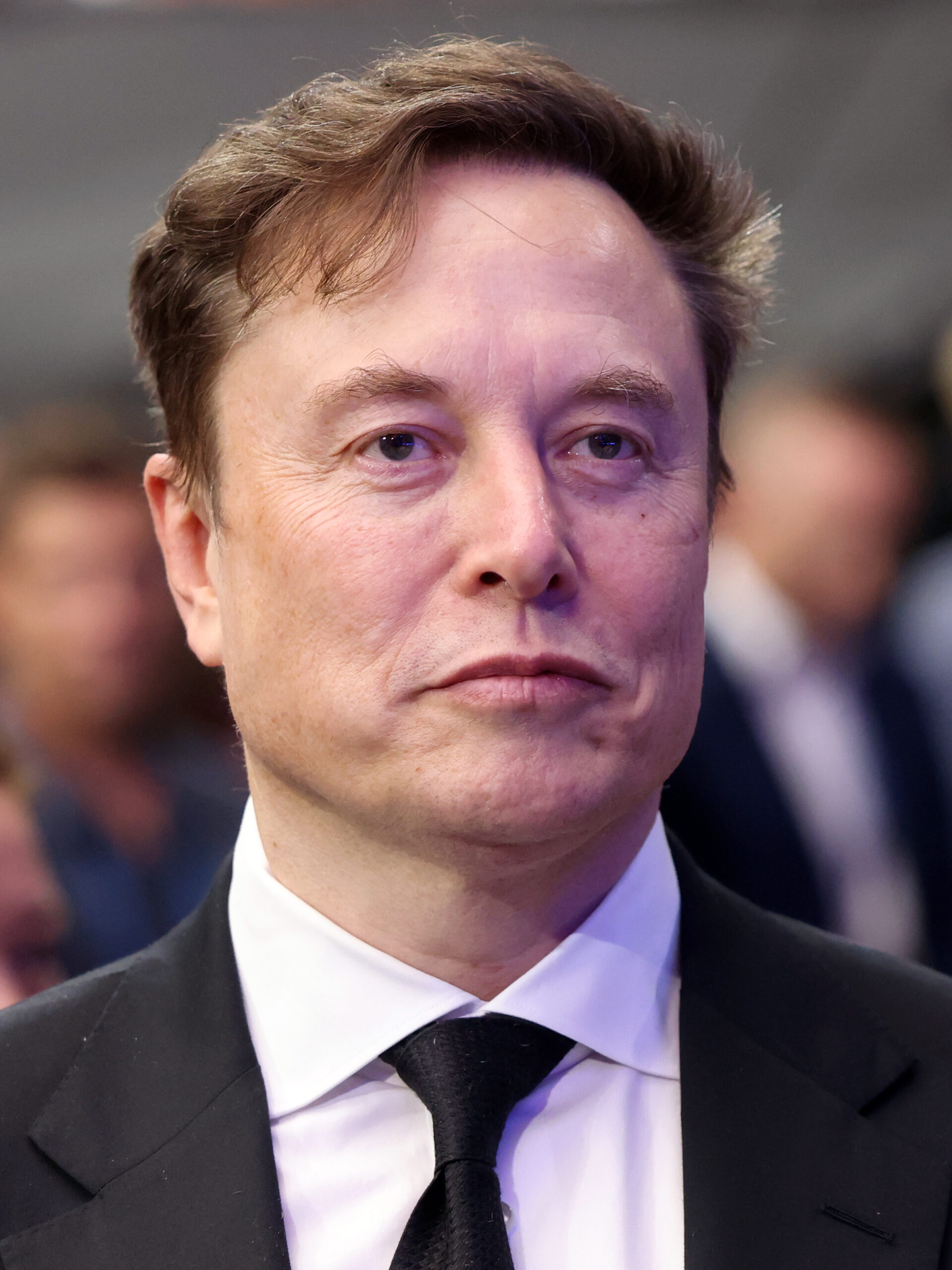
There is also a concentration risk in the Elon Musk factor. SpaceX’s access to capital — both its cost of equity and, by extension, its cost of debt — is partly a function of the extraordinary credibility its founder has accumulated. That credibility is real but not permanent. Events at Musk’s other companies, or shifts in his political standing, can and do affect how markets price SpaceX risk. Bond investors who hold SpaceX paper are, to some degree, underwriting that personal credibility alongside the company’s fundamentals.
Lessons for Modern Business Readers
1. The IPO is not the destination — it is a financing tool
SpaceX used its IPO to reduce its cost of debt. For any company building long-duration infrastructure, the public offering should be evaluated not just for the equity capital it raises, but for the downstream financing options it unlocks. A company that can issue investment-grade bonds after an IPO has access to a significantly cheaper pool of capital than one that must rely on equity alone.
2. Capital structure sequencing is a strategic discipline
The order in which capital is raised matters as much as the total amount raised. Each instrument in a capital stack has optimal conditions for issuance. Venture at idea stage, revenue-based debt at early scale, investment-grade bonds after public validation — each stage creates the conditions for the next. Companies that raise the wrong instrument at the wrong time pay a permanent cost in dilution or rate spreads.
3. Non-dilutive capital preserves the compound effect
Every share issued in an equity raise dilutes existing shareholders’ claim on future earnings. Debt does not. For a company with genuine long-term earnings potential — and SpaceX, with its launch monopoly and satellite subscription base, may be one of the clearest examples in current markets — preserving equity concentration through debt financing is not a sign of financial aggression. It is a sign of confidence in the underlying business.
4. Credibility is a financing input
Bond markets do not lend to cash flows. They lend to companies. SpaceX’s ability to access the bond market at competitive rates is partly a function of its operational track record and partly a function of the narrative credibility that the IPO established. Any company that underestimates the value of institutional credibility — with banks, rating agencies, and fixed-income investors — will find that its cost of capital is structurally higher than necessary.
5. Infrastructure builds need continuous capital, not one-time events
A satellite constellation, a rocket manufacturing facility, a launch pad network — none of these are single capital expenditures. They are ongoing programs that require funding year over year. Companies that think of capital raising as an event rather than as a continuous process will find themselves constrained at exactly the moments when they need capital most.
Seen clearly, SpaceX’s bond strategy is not a headline. It is a window into how the most capital-intensive ventures of the twenty-first century are financing themselves — not through a single spectacular raise, but through a sequence of carefully layered instruments, each building on the credibility established by the last. The rockets are the visible story. The capital structure is the machine that keeps them flying.
Recommended Reading
For readers who want to understand the full story of how SpaceX built the credibility that now backs its bond market access — from the desperate early launches to the Falcon 9’s reusable revolution — Liftoff: Elon Musk and the Desperate Early Days That Launched SpaceX by Eric Berger is the essential companion. Berger’s account shows exactly how the operational credibility that makes today’s bond issuances possible was built, failure by failure and launch by launch, over the first decade of the company’s existence.