The fortune in this story did not begin with the object most people notice first.
It began with a constraint. In one era, that constraint was credit. In another, it was rail access, industrial capacity, political permission, energy supply, or public confidence. The visible story around Jay Gould, James Fisk, and the 1869 gold corner is important, but the deeper question is sharper: who controlled the layer everyone else needed before they could grow?
For context on how Gould extended his reach, see Jay Gould’s Telegraph Empire — the machinery behind his market power operated across multiple systems simultaneously.
The World Before the Fortune

Before the fortune became visible, the surrounding system looked fragmented.
In Grant-era America, the decisive layer was information, political access, and market structure. Whoever understood that layer could shape the terms of the game. The gold market in 1869 was that gate. The United States government held most of the country’s monetary gold. Gould understood that whoever could predict — or influence — the Treasury’s decisions on gold sales would hold an enormous advantage over every other participant in the market.
The Rise

The rise began when Gould recognized that scale alone was not enough.
After the Civil War, the U.S. Treasury held vast gold reserves. A tighter gold supply meant stronger gold prices. A looser supply meant cheaper gold. Gould’s plan was to corner the gold market by removing as much gold as possible from circulation through purchases, while simultaneously persuading the Grant administration not to sell Treasury gold.
His partner James Fisk amplified the operation with capital and connections. Together they used the Erie Railroad’s financial battlefield — already a site of financial warfare — as their operational base, giving them the cash flow to build large positions without immediately attracting suspicion.
Gould cultivated Abel Corbin, a speculator who had married President Grant’s sister, as a conduit into the administration. Through Corbin, Gould hoped to shape the Treasury’s decisions on gold sales and secure intelligence on government intentions before the market could react.
The Expansion of Power

The expansion phase is where the story becomes larger than one person or institution.
By September 1869, gold prices had climbed sharply. Gould and Fisk had accumulated enormous long positions. Merchants and importers who needed gold to settle contracts were being squeezed. The corner was driving up costs across the real economy.
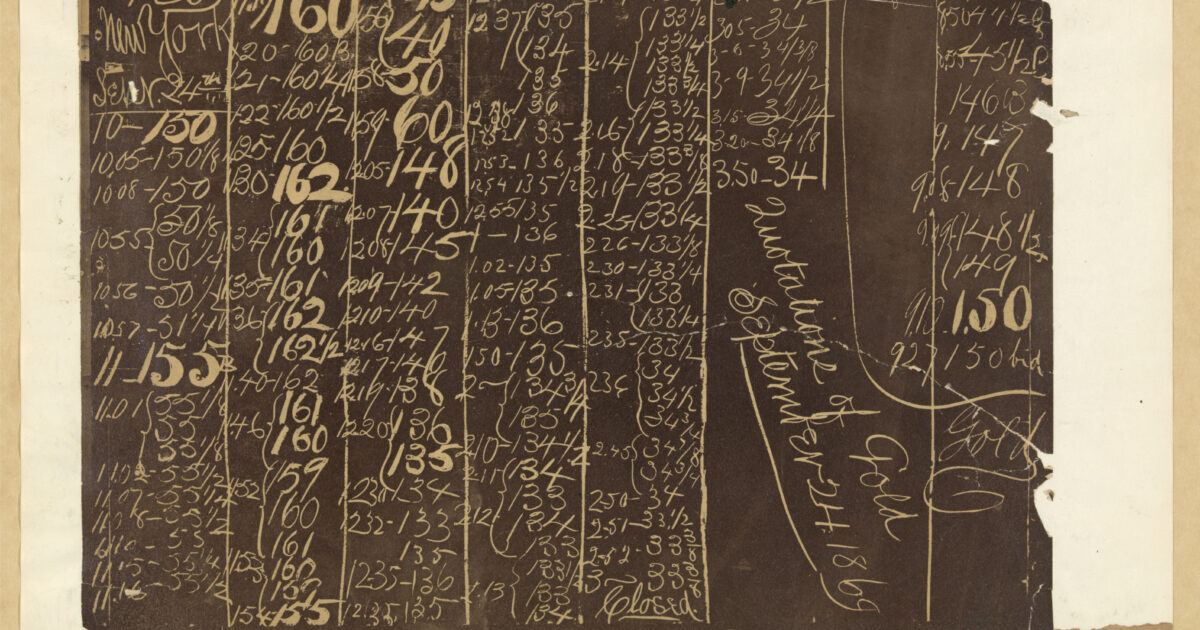
The scheme depended on one critical assumption: that the Grant administration would stay out of the market. As gold climbed toward $160 per ounce — far above its underlying monetary value — every new buyer made the eventual collapse more severe. The corner was self-reinforcing on the way up and self-destructing on the way down.
The Hidden Strategy Behind the Fortune

The hidden strategy was trying to control a monetary bottleneck by shaping expectations about government gold sales and market supply.
That strategy worked because it moved the fight away from the obvious battlefield. The public saw rising gold prices and speculative fever. Gould saw a control layer. He understood that the most valuable position in the gold market was not the largest trading account — it was the ability to predict or influence what the Treasury would do.
The scheme exploited information asymmetry. Gould had lines into the administration that other speculators lacked. He used those lines to buy time, to stay ahead of the market’s understanding of government intentions, and to position himself to profit before information became public.
The Cost, Risk, or Collapse

Every wealth machine creates a shadow.
On September 24, 1869 — Black Friday — Grant ordered the Treasury to sell $4 million in gold. The intervention broke the corner instantly. Gold prices collapsed from $160 to around $133 in minutes. The panic spread through the markets. Brokers caught short faced ruin. Merchants holding legitimate contracts suffered massive losses.
Gould had quietly begun selling his own positions before the government move — reportedly having learned in advance that the Treasury was about to act. Fisk eventually repudiated many of his contracts, leading to years of litigation. The political scandal enveloped the Grant administration, though Grant himself was never charged with personal wrongdoing.
The collapse illustrated the fundamental risk of any attempted corner: sovereign power sits above the trade. For Jay Cooke and other Gilded Age financiers, the same lesson would arrive later and differently — but the underlying dynamic was identical.
Lessons for Modern Business Readers

Control the layer beneath the obvious market. The most valuable position is often the one that governs access, timing, trust, or supply before the visible transaction happens. Gould did not try to outbid rivals at the surface level — he tried to control the policy layer underneath.
Dependency compounds faster than attention. Attention creates surges. Dependency creates recurring leverage. The gold corner worked as long as Gould could sustain the expectation that the government would stay out. When that expectation broke, the entire structure collapsed.
Bottlenecks become political once the public sees the bill. The gold corner imposed real costs on merchants, exporters, and anyone holding gold contracts. When the damage became visible, government intervention became inevitable.
Information asymmetry is a position, not a guarantee. Gould’s edge came from knowing more than the market about government intentions. When the government moved faster than expected, his position offered no protection.
Book Recommendation
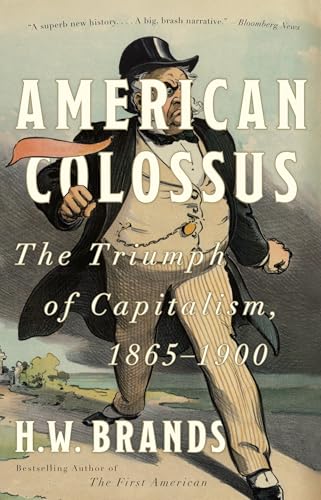
For readers who want the strongest follow-up, start with American Colossus: The Triumph of Capitalism, 1865–1900 by H.W. Brands. It situates the Black Friday corner inside the broader architecture of Gilded Age power — showing how Gould, Carnegie, Rockefeller, and their contemporaries built financial empires from information advantages, political access, and the systematic control of economic chokepoints.