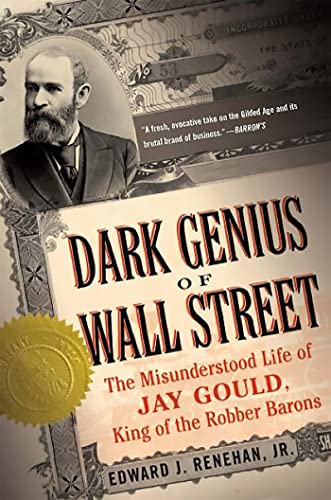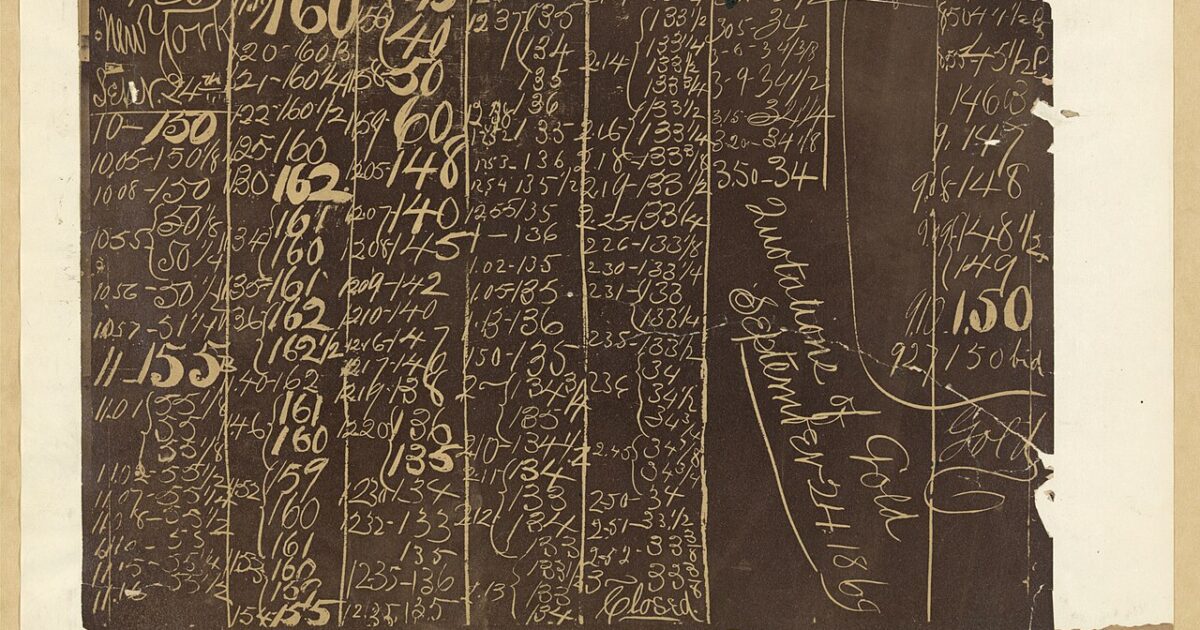
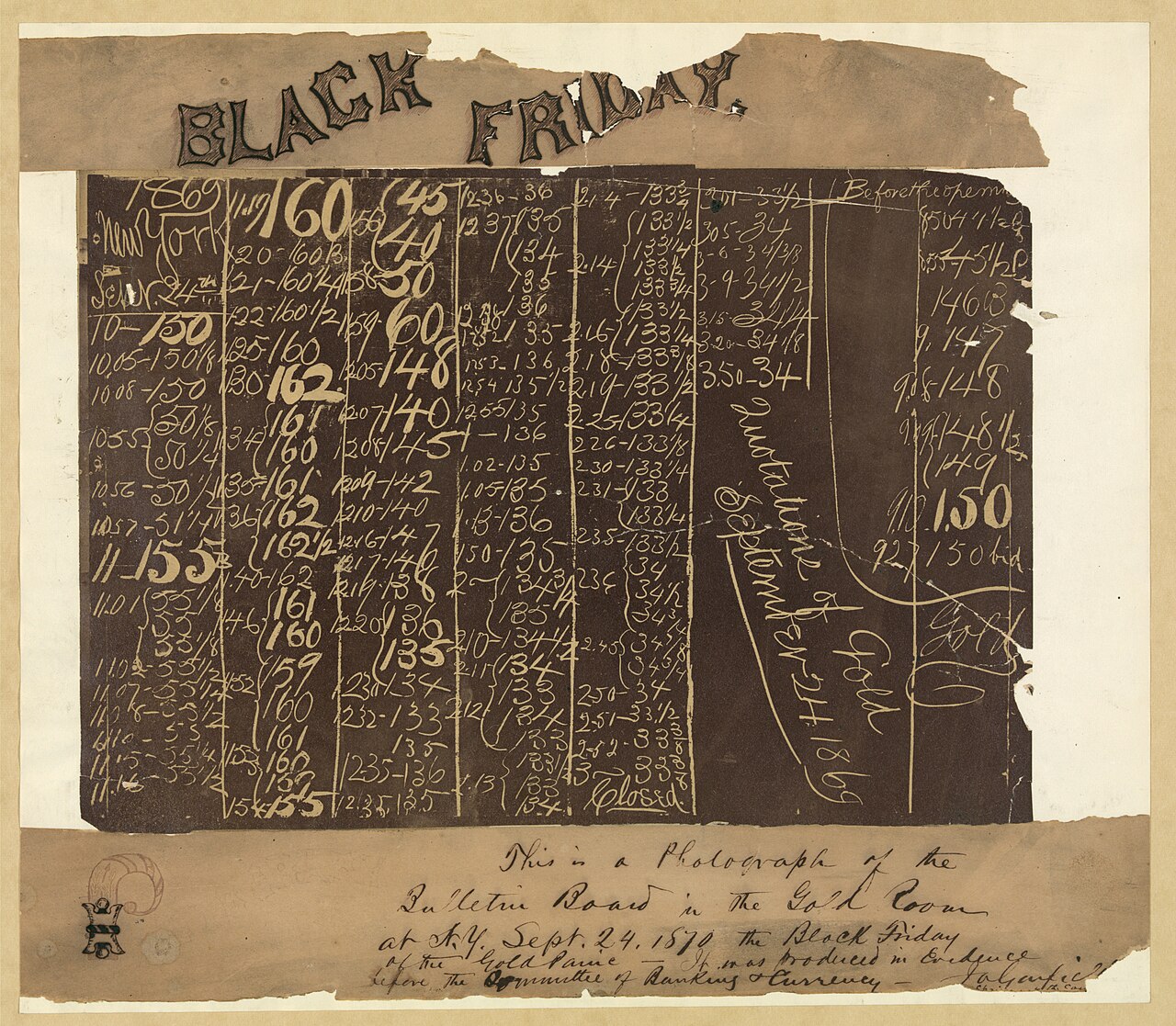
Before digital networks shaped markets, copper wires already did. Jay Gould understood something his contemporaries largely missed: that controlling the channel through which information travels is often more valuable than the information itself. His telegraph empire was not a communications sidebar to the grander story of railroads and Wall Street fortunes. It was the mechanism that made those fortunes durable.
In the Erie War, Gould demonstrated his talent for turning institutional structures into weapons. But it was his eventual control of Western Union that transformed a single tactical advantage into an architectural one. This article examines how information speed, network control, and market timing became the deeper mechanism behind one of the Gilded Age’s most consequential fortunes.
The World Before the Fortune

Gilded Age finance rewarded whoever could move capital, rumor, and decision-making faster than the people still relying on slower lines. The telegraph compressed time, and compressed time changes markets. A price difference between New York and Chicago that might take days to arbitrage in 1840 could be exploited in minutes by the 1870s.
In that environment, power did not belong only to the loudest founder or the most visible asset. It belonged to the operator who best understood how money, access, timing, and infrastructure could be arranged into a repeatable machine. The Rothschilds had already demonstrated how information speed could be converted into financial advantage at the continental scale. Gould was about to demonstrate the same principle at the national one.
The telegraph network in America was fragmented, competitive, and strategically undervalued by most of its owners. They saw it as a utility. Gould saw it as leverage.
The Rise
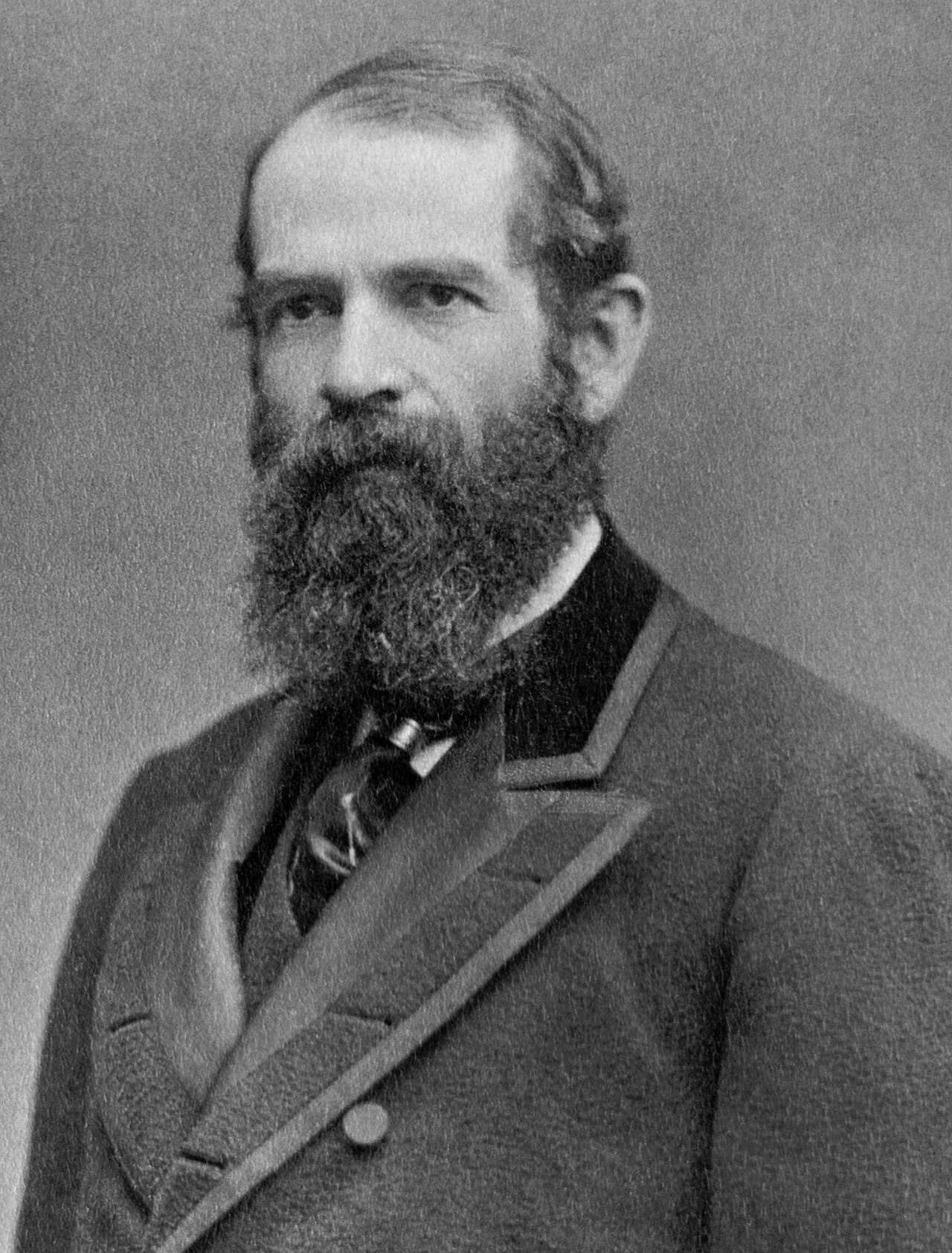
Gould recognized that a communications network could do more than transmit messages. It could shape who learned what first, who interpreted it faster, and who could translate that speed into financial position before the public fully saw the pattern. His railroad operations gave him a practical education in infrastructure control. The next step was to extend that control into the information layer that sat above all physical infrastructure.
By the late 1870s, Gould had accumulated enough railroad holdings and financial leverage to make a credible run at Western Union, then the dominant telegraph operator in the United States. His strategy was characteristically oblique: he built competing telegraph companies as a threat, negotiated, acquired, and eventually consolidated his way to control without ever appearing to mount a frontal assault.
The rise worked because network control turned information into a market edge before competitors could synchronize around the same facts. Once Gould controlled Western Union, he controlled the speed at which financial information moved between every major exchange, bank, and trading house in the country.
The Expansion of Power
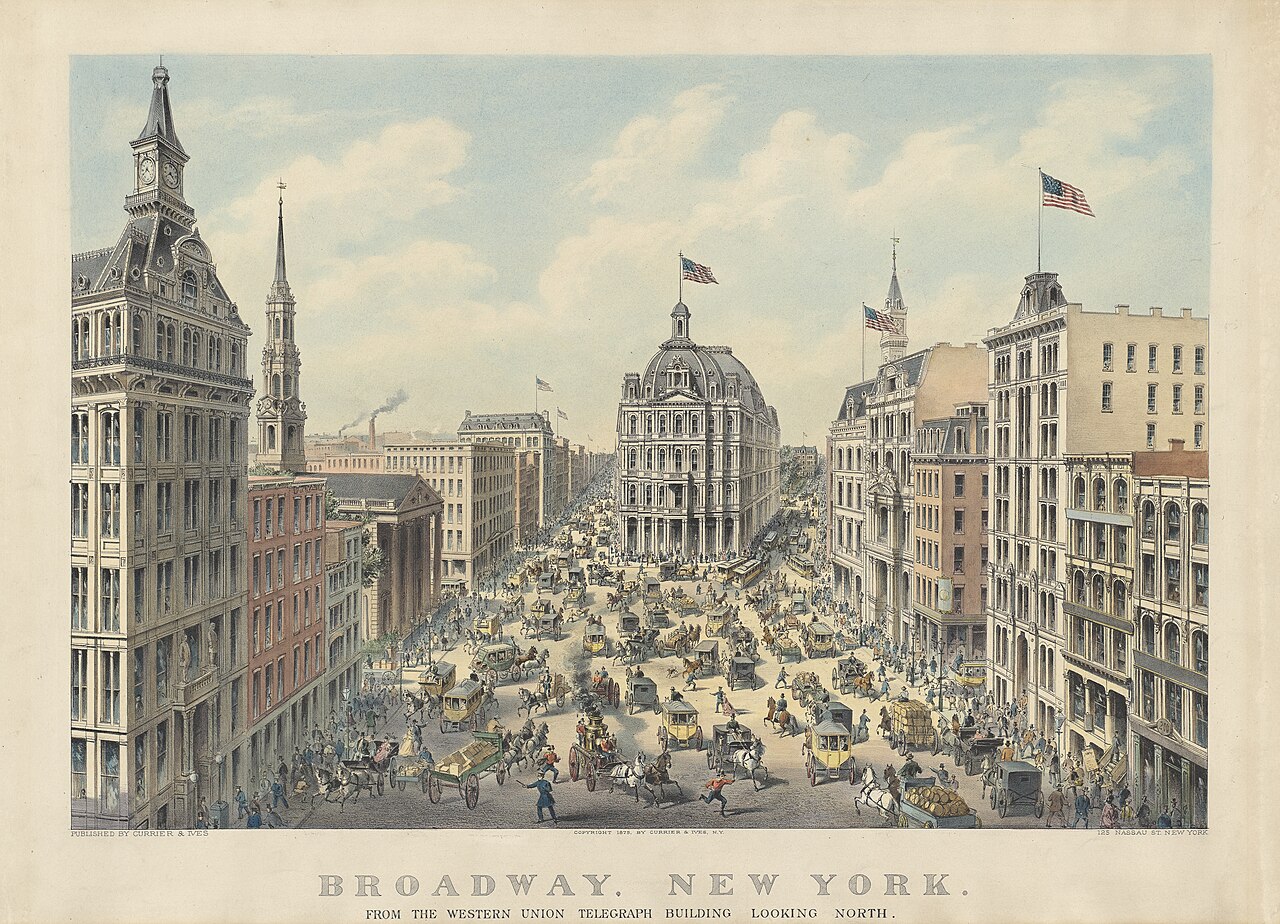
That is what makes the telegraph story strategic instead of merely chronological. Western Union under Gould was not simply a communications company. It was an information chokepoint that sat between markets and the people trying to interpret them. Railroad dispatches, stock prices, commodity movements, political news — all of it moved through wires that Gould’s organization controlled.
This is the point where wealth becomes architecture. Instead of depending on one transaction or one dramatic moment, Gould turned information speed, network control, and market timing into a machine that could keep producing leverage. Similar logic would define later industrial empires: the most durable fortunes are built not by winning individual battles but by controlling the terrain on which all battles are fought.
By 1881, Gould controlled roughly 80 percent of American telegraph traffic through Western Union. Competitors found themselves dependent on a network their most dangerous rival owned. Regulators found the infrastructure too embedded to easily challenge. The system had become self-reinforcing.
The Hidden Strategy Behind the Fortune
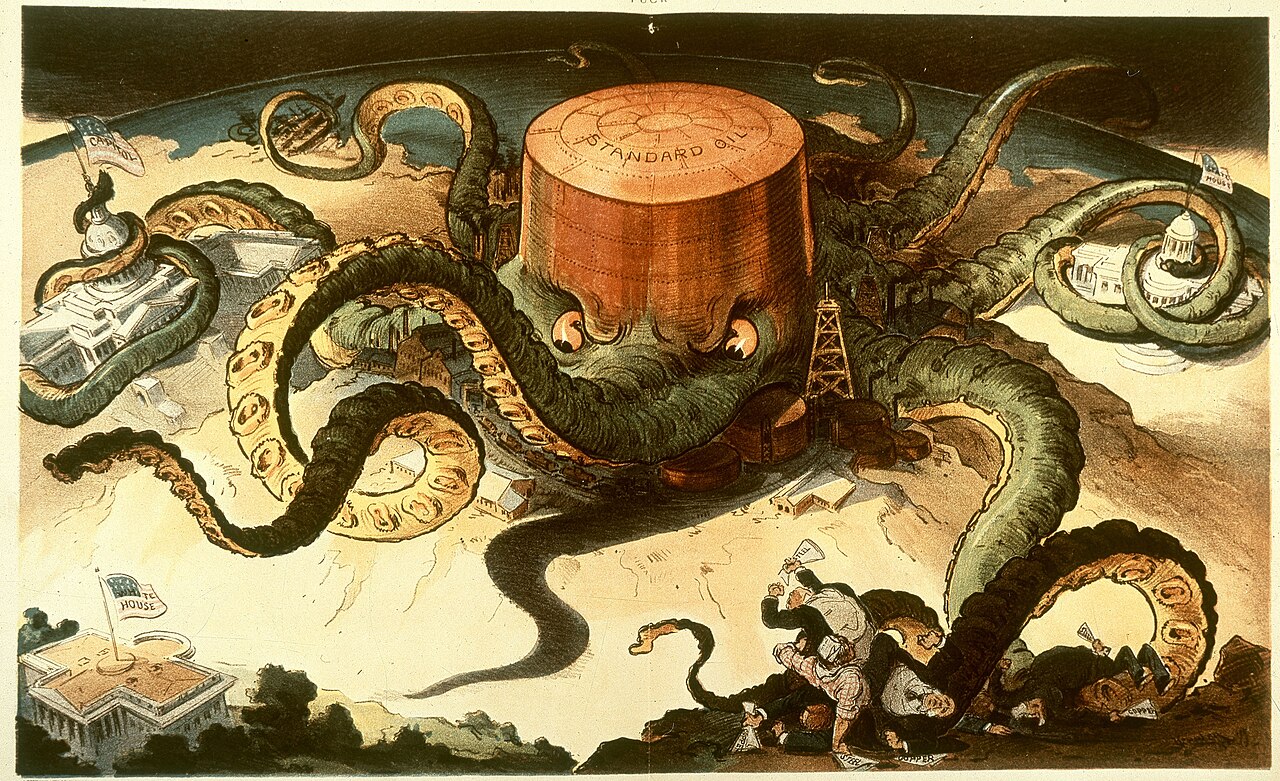
The hidden strategy was this: whoever controls information lines can influence markets before rivals even know what information is moving. Gould did not need to trade on every piece of intelligence that crossed his network. The option value alone — the knowledge that he could know first, position first, and act first — was sufficient to reshape how counterparties behaved around him.
This is where the article stops being a narrative and becomes a framework. The visible subject is Jay Gould’s communications power. The durable business lesson is that power compounds fastest when it sits beneath the headline rather than inside the headline. What really created staying power was the ability to control information speed, network control, and market timing precisely enough that rivals, customers, and partners could not easily escape.
The same pattern appears in every era of concentrated advantage. The Rothschilds used courier networks. Standard Oil used pipeline control. Google used search indexing. The mechanism changes; the underlying logic does not. Controlling the hidden layer — the infrastructure everyone else needs — produces leverage that is difficult to disrupt from the outside.
The Cost, Risk, or Collapse
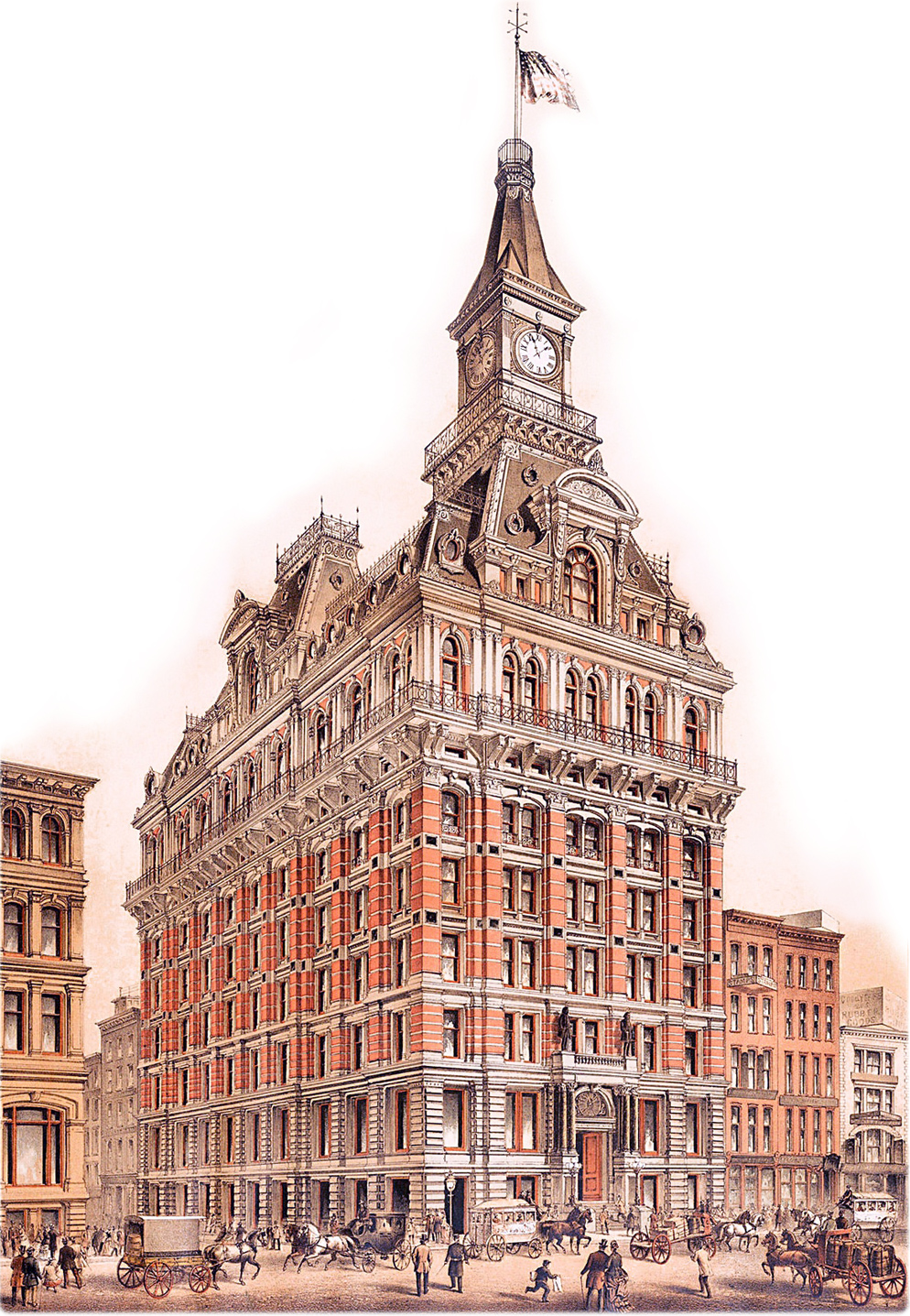
Information power can be difficult to regulate because it often hides inside legitimate infrastructure. The same network that creates efficiency can also create asymmetry, manipulation risk, and concentration of advantage. Gould’s telegraph empire attracted scrutiny precisely because its power was so opaque. It was not a monopoly in the classical sense of a single product dominating a single market. It was something more subtle: a network that made everyone who touched it dependent on terms they had not set.
The costs were real. Smaller telegraph operators were systematically squeezed. Journalists and reformers documented cases of selective delay — messages from rivals arriving just slowly enough to matter. Whether these were deliberate or incidental was often impossible to prove, which was itself part of the advantage.
The best editorial version of this story does not flatten the moral or financial cost. It keeps the mechanism visible while remembering that effectiveness never made the mechanism neutral. Gould’s telegraph empire was brilliant and extractive at the same time. That double focus is part of what makes it historically useful. A serious reader should feel strategic admiration and structural caution simultaneously.
Lessons for Modern Business Readers

1. Control the hidden layer
The subject of this article became stronger once information speed, network control, and market timing mattered more than the visible surface story. Gould’s real asset was not Western Union’s brand. It was the dependency that came with owning the wire everyone else required.
2. Dependency compounds faster than attention
The strongest systems do not only attract notice. They make other actors depend on terms they did not design. By the time Western Union’s dominance became obvious to the public, the network effects that protected it were already deeply entrenched.
3. Infrastructure is often the real moat
The quiet layer beneath the product or headline usually produces the most durable advantage. Gould understood this before most of his contemporaries. That insight did not make him a good person, but it made him a structurally superior operator.
4. Governance and finance shape outcomes
Operational success scales faster when finance, rules, and infrastructure reinforce one another. Gould was as skilled at navigating regulatory ambiguity as he was at acquiring assets. The two capabilities compounded.
5. Reader trust comes from mechanism, not myth
Hidden Fortunes wins when it explains how power worked rather than flattening it into legend or outrage. The telegraph story is more useful as a framework for understanding information infrastructure than as a morality tale about a notorious speculator.
6. The pattern repeats across every era
From telegraph lines to fiber optics, from carrier pigeons to algorithmic trading feeds, the underlying logic is consistent. Whoever controls the information layer controls the speed at which everyone else can respond. That gap — however small — has always been the foundation of durable financial advantage.