Public infrastructure can create private fortune most efficiently when the builder controls the invoice as well as the dream.
On the surface, Credit Mobilier is often remembered as a colorful Gilded Age scandal involving railroads, Congress, and corruption. But Hidden Fortunes is not interested in the surface alone. It is interested in the system beneath the spectacle — the layer where insider contracting, political access, and financial shells wrapped around infrastructure projects quietly becomes the real source of power.
That is why this story matters now. It is not only about the Credit Mobilier mechanism. It is about how wealth becomes durable when someone learns to control the structure that everybody else still depends on. For readers tracking the Erie War and the railway mania bubble that preceded it, the pattern here will feel familiar — but the execution was far more sophisticated.
The World Before the Fortune
The railroad age rewarded speed, land access, and political backing. It also rewarded anyone who could sit between public urgency and private execution — where contracts, reimbursements, and insider arrangements became a second profit engine running parallel to the visible one.
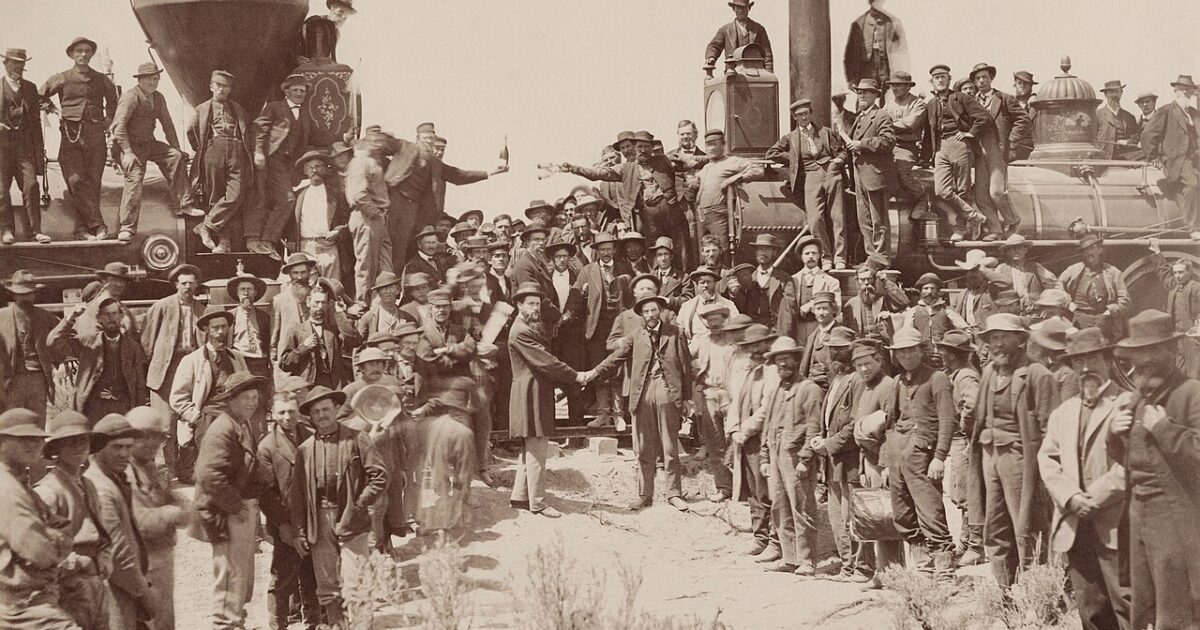
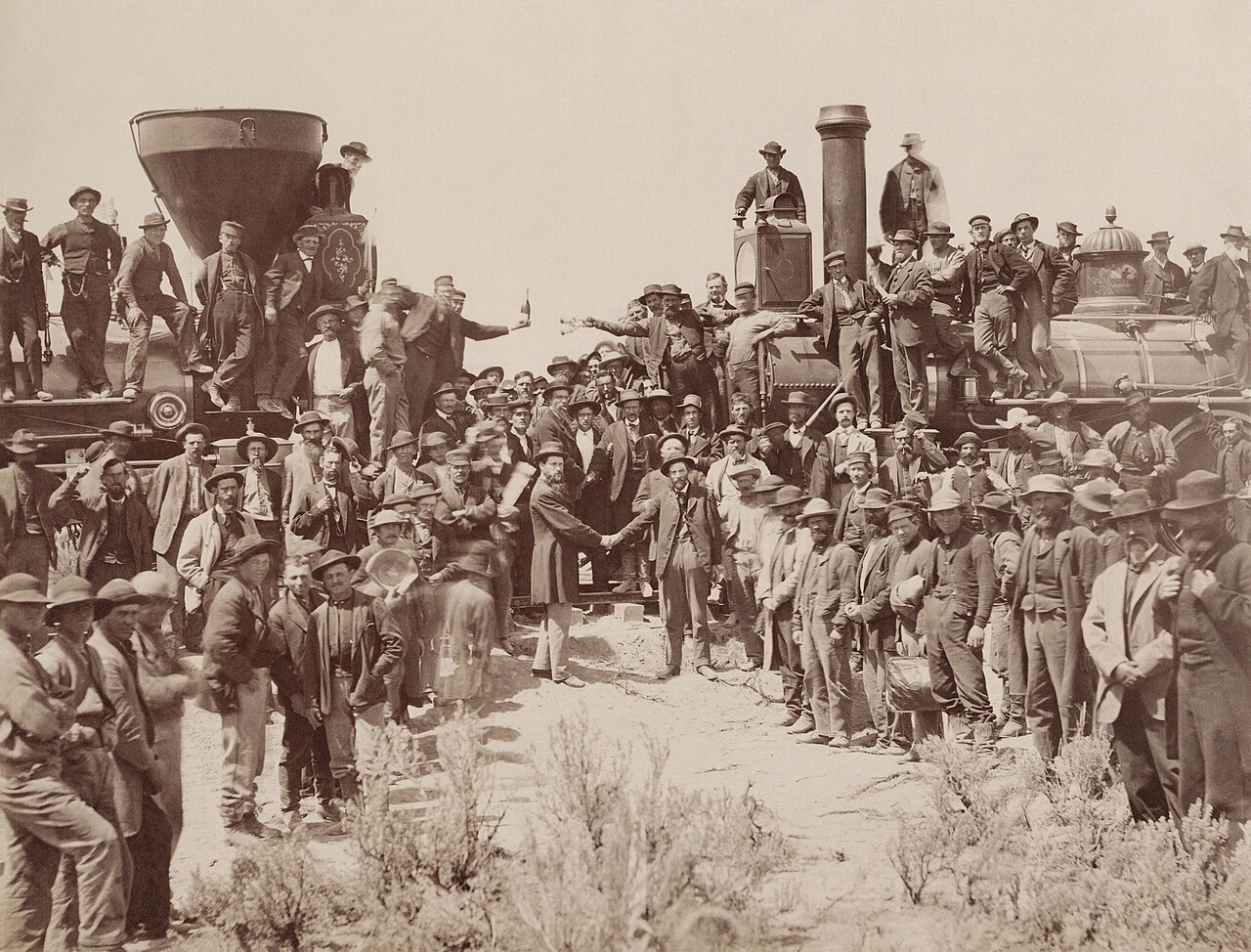
That context matters because fortunes rarely emerge from genius in isolation. They emerge from a market structure, a political opening, or an infrastructure bottleneck that most people notice too late. The Pacific Railroad Acts of 1862 and 1864 created exactly that opening: Congress needed the transcontinental railroad built, and it was willing to pay handsomely to make it happen.
Union Pacific directors recognized that the most profitable position was not as the operator of the finished railroad. It was as the contractor being paid to build it. That distinction — operator versus contractor — would become the structural foundation of the entire Credit Mobilier scheme.
The Rise
The mechanism was straightforward once you understood the architecture. Union Pacific directors created Credit Mobilier of America, a separate construction company, and then awarded it the contract to build the Union Pacific line. The contractor and the railroad were controlled by the same insiders.
Credit Mobilier invoiced Union Pacific at prices far above actual construction costs. Union Pacific paid. The profits flowed back to the same directors who sat on both sides of the transaction. The federal government, which had provided land grants and bonds to finance the railroad, was effectively paying inflated prices for work that could have been done for far less.
The scandal mattered because it showed that a grand public project could be monetized twice: once through the story of national development and again through the private structure controlling construction payments. The visible move — building a transcontinental railroad — was real and impressive. The deeper edge was architectural: controlling which entity got paid and at what price.
The Expansion of Power
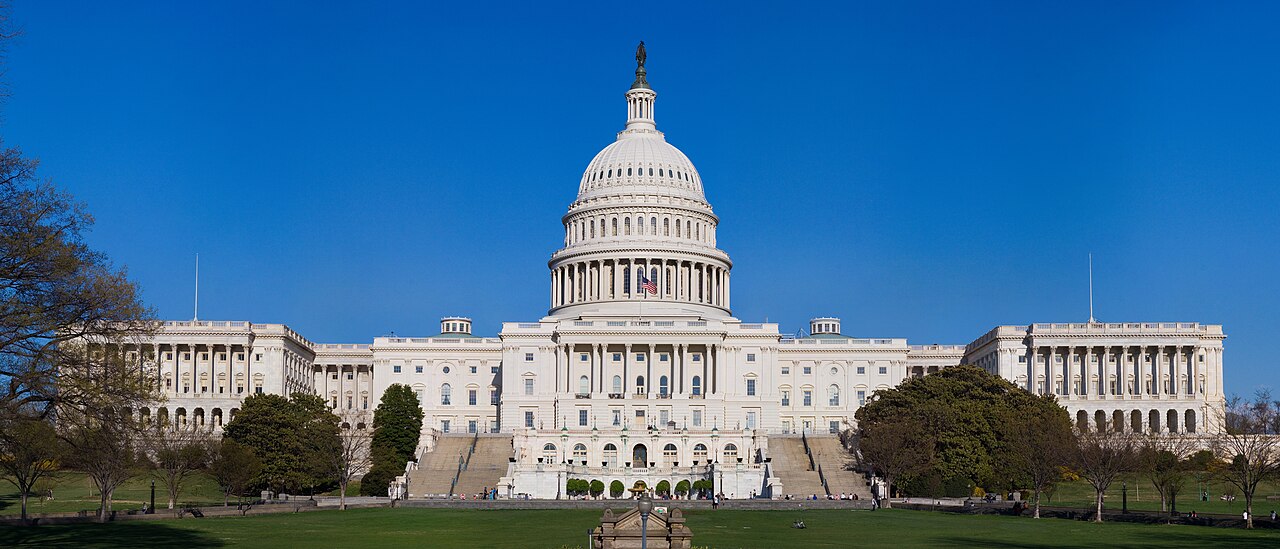
Political protection was the second layer of the machine. Representative Oakes Ames, a Massachusetts congressman and Union Pacific director, distributed discounted Credit Mobilier shares to fellow legislators. The recipients included future president James Garfield, Speaker of the House Schuyler Colfax, and Senator Henry Wilson, who would become vice president.
The logic was direct. Legislators with a financial stake in the construction company’s success had little incentive to scrutinize its billing practices. Political access did not simply prevent interference — it turned government oversight into an asset for those inside the structure.
This is the stage where wealth stops looking transactional and starts looking institutional. The machine was no longer dependent on a single decision or relationship. It had been embedded into the political architecture of the project itself, creating a set of aligned incentives that made challenge from the outside extremely difficult. As with the Northern Securities Trust a generation later, the strategy was to make the structure so entangled with legitimate power that attacking it meant attacking the institution.
The Hidden Strategy Behind the Fortune
The hidden strategy was making more money from controlling the contractor hired to build the infrastructure than from operating the infrastructure itself. That insight reversed the conventional logic of the railroad boom, which assumed that owning the finished asset was the prize.
Credit Mobilier demonstrated that the construction phase, not the operating phase, was where the most extractable value concentrated. Land grants, government bonds, and political urgency all flowed into that window. The contractor who controlled the invoice during that window captured a disproportionate share of the total economic value being created.
The public version of the story usually overemphasizes the most visible asset — the railroad — and underestimates the discipline beneath it. What created staying power was not the dramatic narrative of national infrastructure. It was the ability to make the surrounding system behave in a more predictable and profitable way. The railroad wars that followed were fought over operating assets. Credit Mobilier had already extracted its advantage one level upstream.
The Cost, Risk, or Collapse
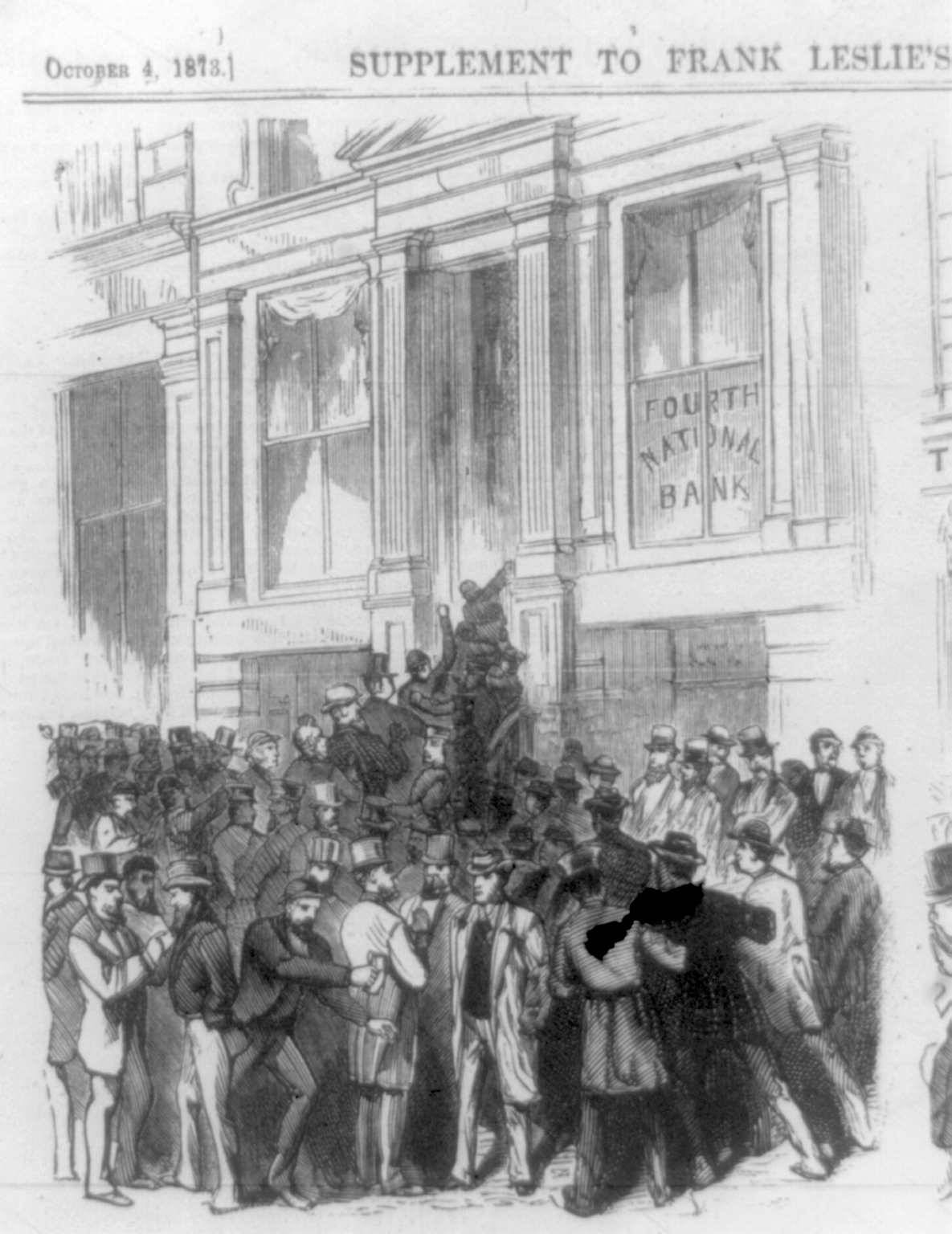
The mechanism damaged public trust because it blurred the line between national progress and private extraction. When the New York Sun published a detailed account of the share distribution in September 1872, it triggered a congressional investigation that lasted through 1873.
The investigation found that Credit Mobilier had earned approximately eleven million dollars above actual construction costs — at a time when a million dollars represented decades of ordinary earnings. The political fallout was severe: Oakes Ames was censured by the House. Schuyler Colfax, the sitting vice president, saw his political career effectively end. Several other legislators suffered lasting reputational damage.
But the deeper vulnerability was structural, not personal. Any mechanism that depends on political protection carries the risk that the protection withdraws. The same legislators whose silence had been purchased through discounted shares were, when the scandal broke, highly motivated to distance themselves from the arrangement. The political asset became a political liability the moment exposure made loyalty more costly than betrayal.
Lessons for Modern Business Readers
1. Control the hidden layer
The biggest advantage usually sits below the visible product. In the Credit Mobilier case, the construction contracting layer — not the railroad operating business — was where the extractable surplus concentrated. Modern parallels include platform payment rails, cloud infrastructure pricing, and data pipeline ownership.
2. Dependency compounds faster than fame
Media attention is useful, but structural dependency is better. When legislators held Credit Mobilier shares, their silence became structurally rational. When other actors must keep using your system — or must keep you politically protected — your advantage compounds even when the headlines move on.
3. Finance changes what is possible
A strong operating story becomes much more powerful when it is paired with financing, trust, or institutional support that makes expansion easier to sustain. Credit Mobilier used federal land grants and bonds as the financial foundation. The contractor then extracted value from that publicly provided capital.
4. Build around chokepoints, not only products
Products can be copied. A contract structure, a clearing layer, a resource bottleneck, or a capital-market channel is often harder to replace. The chokepoint in this case was the construction contract itself — the single document that determined who got paid and at what rate during the most lucrative phase of the project.
5. Translate history into operating logic
The point of studying old fortunes is not nostalgia. It is to recognize modern versions of the same structural playbooks before they become obvious. Infrastructure booms still follow the Credit Mobilier pattern: the biggest returns often flow to those controlling the build-out phase, not to those who eventually operate the finished asset.
6. Strengthen the ecosystem, not just the page
This article earns its place inside Hidden Fortunes because it connects naturally to the Erie War, the railway mania bubble, and the Northern Securities Trust. Readers are not being sent to random related posts. They are being guided through one connected system of power.
Conclusion
Seen clearly, this is not just a story about the Credit Mobilier mechanism. It is a story about how power becomes harder to challenge once it is built into the structure of trade, finance, infrastructure, or political access itself.
The railroad got built. The country got its transcontinental connection. And a small group of insiders extracted eleven million dollars above actual costs by controlling the layer that everyone else assumed was simply a construction company. That is the discipline behind the Hidden Fortunes model: find the layer beneath the visible story, understand who controls it, and recognize that the same structural logic reappears in every generation.
Recommended Reading
For readers who want to go deeper into the railroad age and the financial machinery that shaped it, The Great Railroad Revolution by Christian Wolmar is the right next step. It traces the full arc of American railroad development — from the earliest lines through the Gilded Age boom — and gives essential context for understanding how public infrastructure and private fortune became so thoroughly intertwined.
