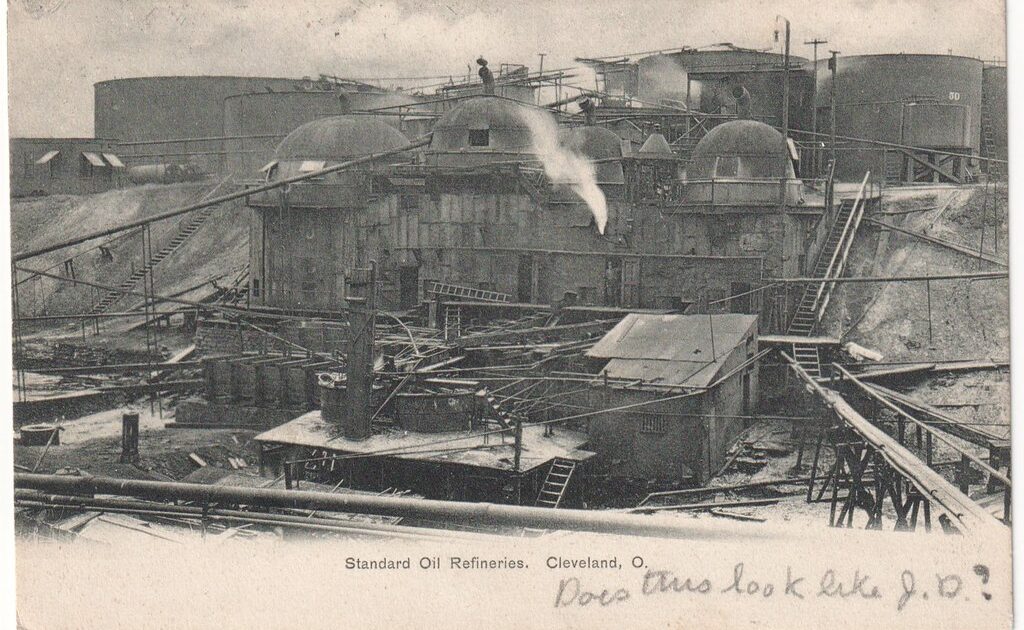
The most important part of a monopoly is often the part users barely see.
At first glance, Rockefeller and Google can look too historically distant to compare in a serious way. But Hidden Fortunes exists for the layer beneath first glance. The real question is how distribution channels, defaults, routes, and the quiet terms that decide what most users ever reach became the mechanism that made power durable.
That is why this article matters now. It is not only about hidden distribution power across industrial and digital monopolies. It is about how fortunes become harder to challenge once a player learns to control the structure other players still need.
The World Before the Fortune

Standard Oil rose in a world where transport rates, rail connections, and pipeline access could quietly decide who had room to compete. Google rose in a world where default placement, browser settings, and mobile distribution agreements could quietly decide what users ever bothered to search elsewhere.
In that setting, power rarely belonged to the loudest figure alone. It belonged to the operator who best understood how money, access, timing, and institutions could be arranged into a repeatable system. That is the deeper context for this comparison of Rockefeller and Google.
For Hidden Fortunes readers, this background matters because the article does not stand alone. It strengthens the Monopoly Structures branch of the publication and helps show why this topic belongs inside a broader map of power, wealth, and strategic control.
That broader setting also explains why this story deserves more than a quick summary. When historians and markets look back, they often remember the loudest episode. Hidden Fortunes is more interested in the system that made the loud episode possible. Understanding that system is what turns a dramatic anecdote into a durable editorial asset.
The Rise
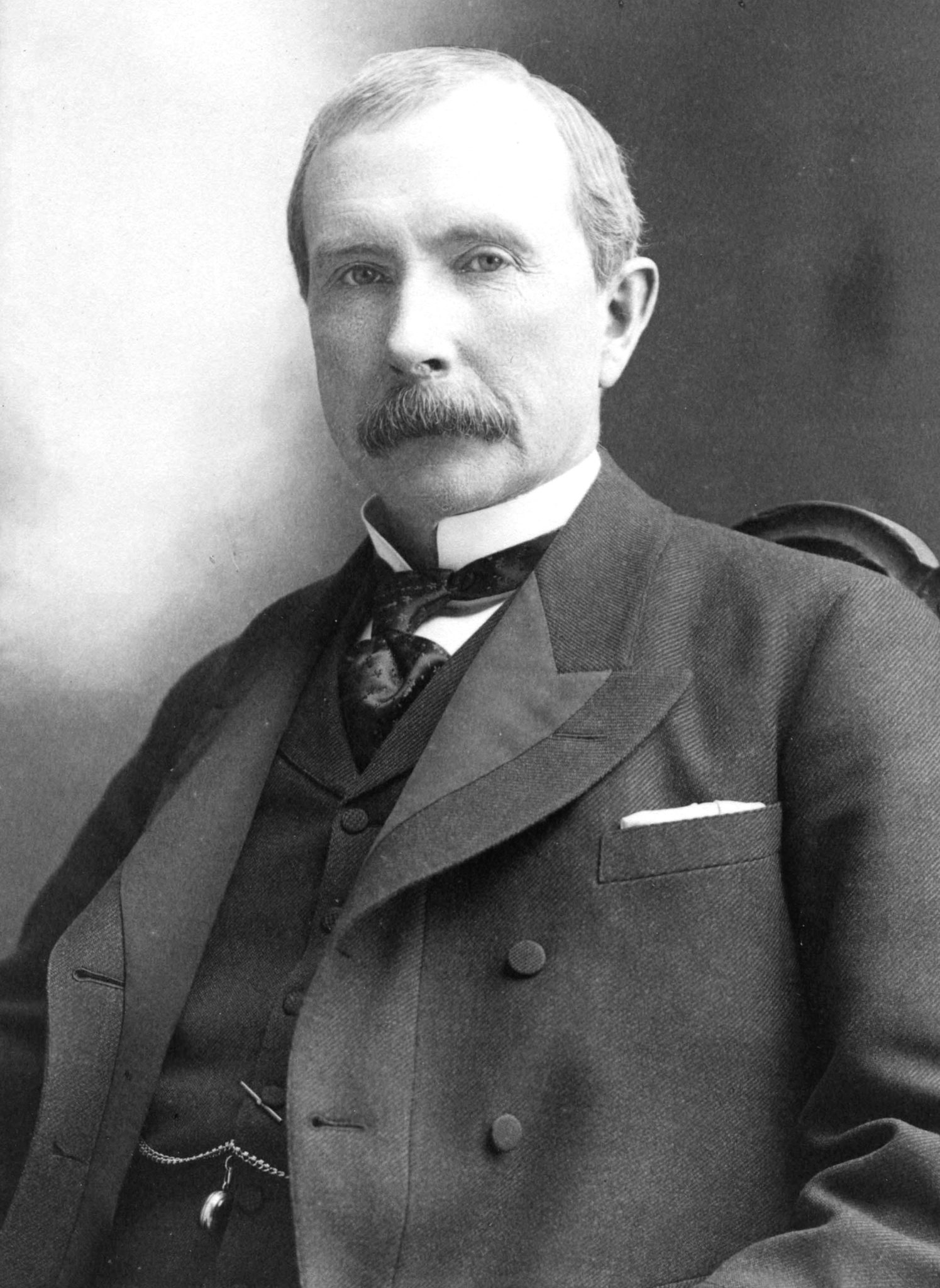
The analogy becomes powerful once the focus shifts from product glamour to channel control. Rockefeller’s world rewarded whoever shaped transport economics. Google’s world rewarded whoever shaped user-entry economics. Different technologies, same strategic instinct.
The rise worked because each company secured a distribution advantage that made competition more expensive and customer switching less likely. The visible moves mattered, but the deeper advantage came from the ability to shape terms before rivals fully understood which terms mattered most.
That is how a story that might otherwise look like biography or policy becomes a systems article. Once the mechanism starts working, every later gain becomes easier to explain, because the system begins rewarding the same strategic behavior again and again.
This is also where many readers misjudge the subject. They focus on the dramatic move, the public confrontation, or the famous deal, when the real edge often came from repetition. The same logic kept working because the surrounding structure was already being trained to reward it.
The Expansion of Power
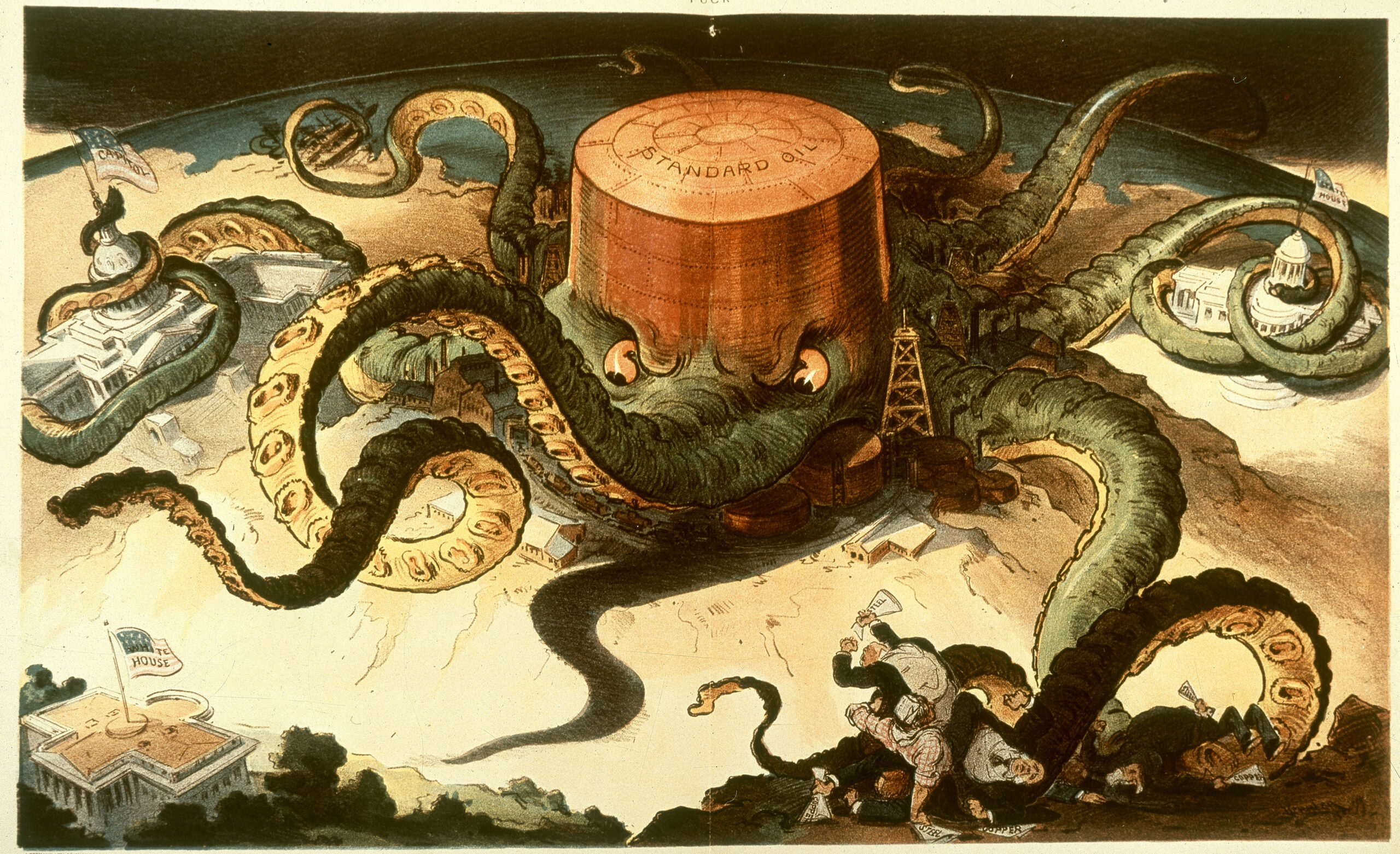
That distribution power then compounded. Better routes attracted more scale. More scale reinforced bargaining power. Bargaining power made the route even harder to challenge. A channel can become self-justifying once enough volume flows through it.
This is the point where wealth becomes architecture. Instead of depending on one transaction, one campaign, or one lucky moment, both Rockefeller and Google turned distribution channels, defaults, routes, and the quiet terms that decide what most users ever reach into an engine that could keep producing leverage.
For modern readers, that distinction is critical. The strongest fortunes are rarely built by winning one dramatic battle. They are built by making everybody else operate inside a structure designed on your terms.
Once that stage is reached, the fortune begins to feel larger than the founder, larger than the original institution, and sometimes larger than the stated purpose itself. The system starts reproducing leverage even when outsiders no longer remember exactly how that leverage was first assembled.
The Hidden Strategy Behind the Fortune
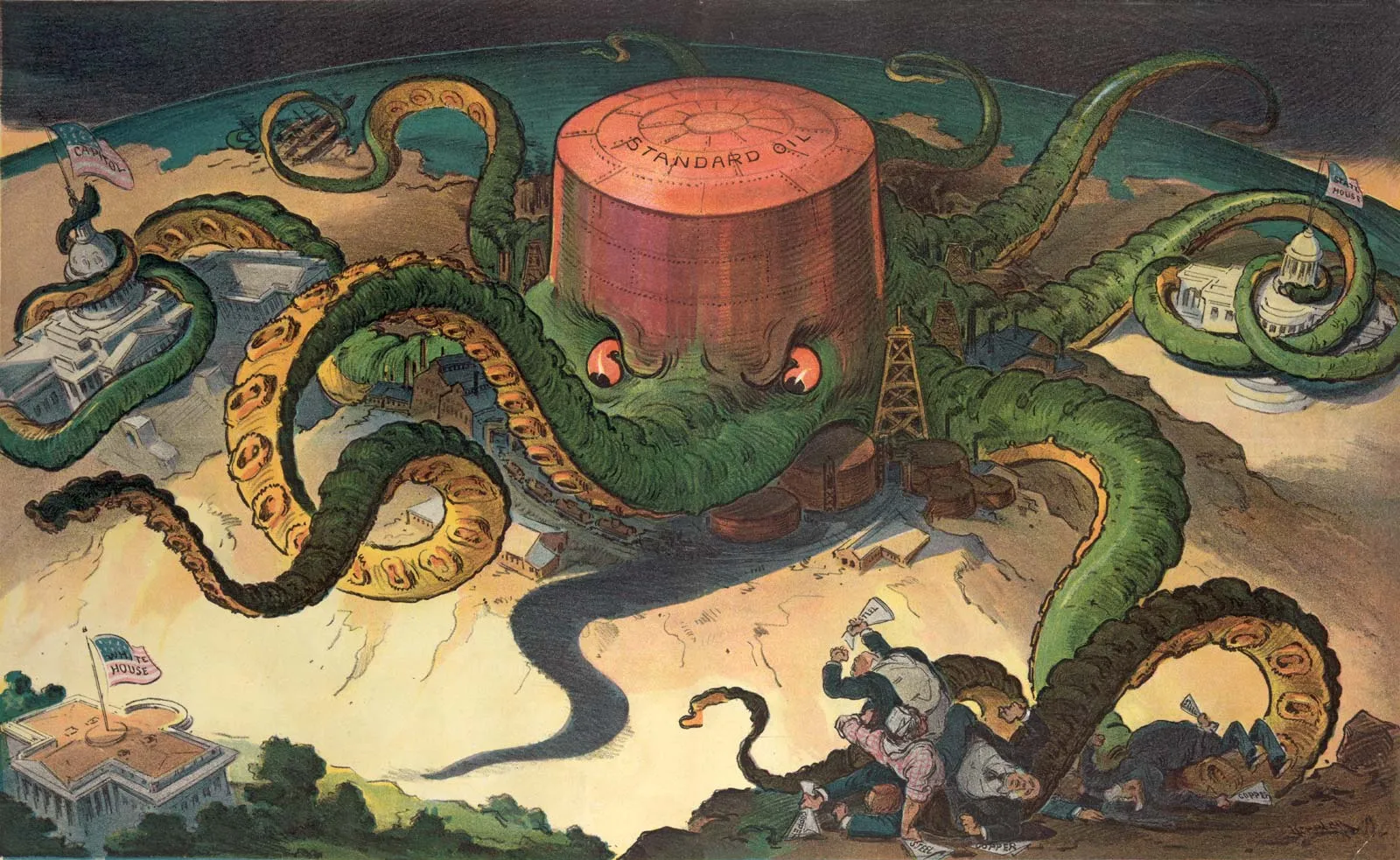
The hidden strategy behind the fortune was that control of the distribution channel can become more powerful than control of the product, especially when users stop noticing the channel itself.
That matters because the public version of the story usually overemphasizes the visible asset and underestimates the invisible discipline. What actually created staying power was the ability to control distribution channels, defaults, routes, and the quiet terms that decide what most users ever reach with enough precision that rivals, partners, regulators, or subjects could not easily escape it.
In Hidden Fortunes terms, this is where the article stops being a narrative and becomes a framework. The visible subject is hidden distribution power across industrial and digital monopolies. The durable business lesson is that power compounds fastest when it sits beneath the headline rather than inside the headline.
This is also why the article strengthens topical authority. It gives later pieces in the Monopoly Structures cluster a stronger conceptual base and creates natural bridges to the Rockefeller pipeline playbook and Google’s answer machine strategy.
For American readers especially, the value of this framing is practical. It trains the eye away from surface excitement and back toward the deeper pattern of leverage. That habit matters whether the subject is a railroad, a dynasty, a debt office, or an AI supplier hidden inside the stack.
The Cost, Risk, or Collapse
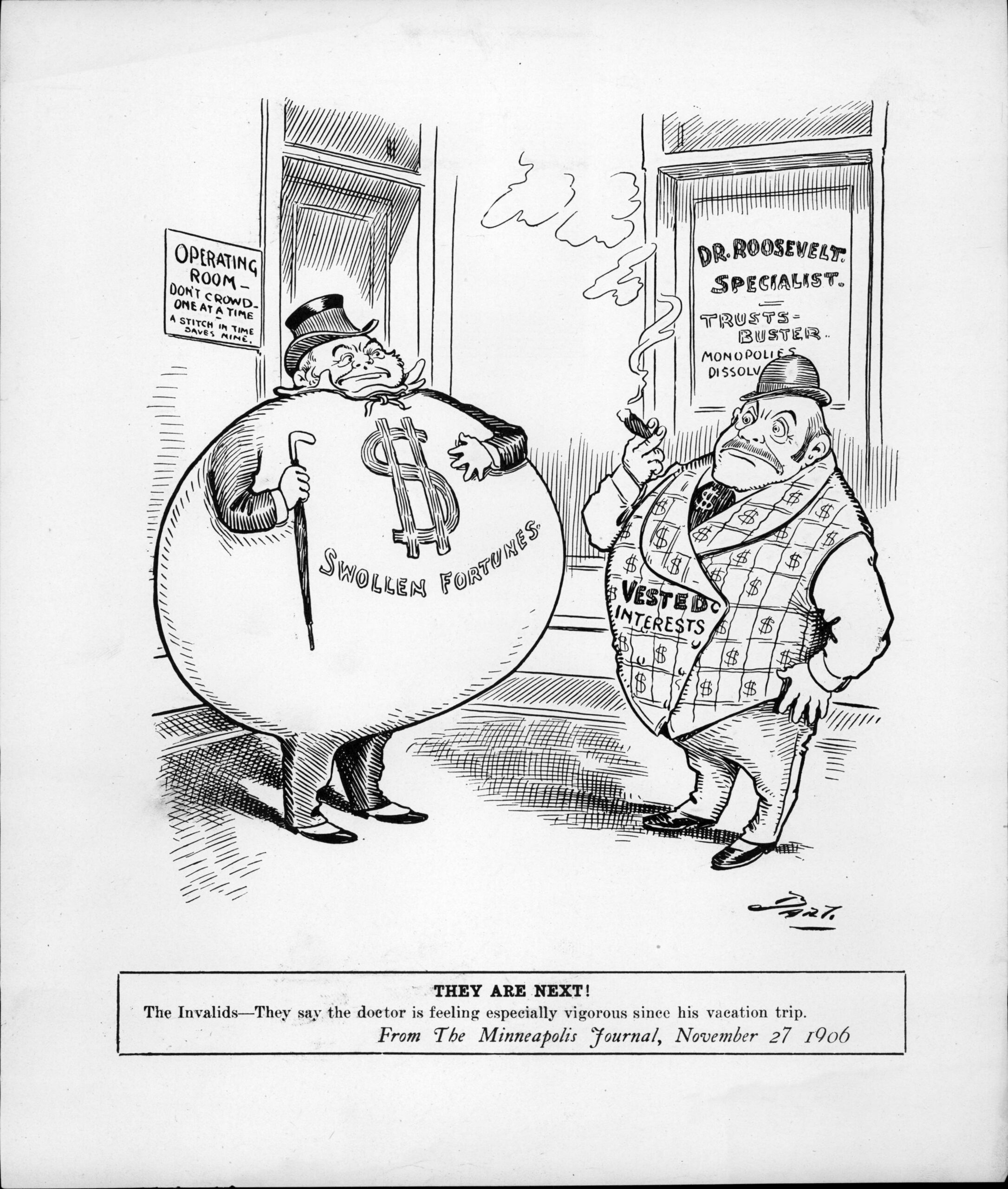
Comparisons like this can become lazy if they ignore legal and technological differences. The goal is not to flatten history. It is to show why invisible channel power keeps recurring whenever a market stops feeling like a market to ordinary users.
But systems that become powerful also become brittle in particular ways. The very precision that made distribution control effective also made it a target for regulatory scrutiny, as both Standard Oil and Google eventually discovered. That is why this story should be read with strategic admiration and structural caution at the same time.
The best editorial version of this topic does not flatten the moral or political cost. It keeps the mechanism visible while remembering that the mechanism was never neutral just because it was effective.
That is part of what gives Hidden Fortunes its tone. A serious editorial system does not treat strategic brilliance as moral innocence, and it does not treat moral outrage as a substitute for explanation. It keeps both in view so the reader understands not only what worked, but what that success cost.
Lessons for Modern Business Readers

1. Control the layer beneath the headline
Distribution channels, defaults, routes, and the quiet terms that decide what most users ever reach often matter more than the visible surface story. Both Rockefeller and Google understood this before their rivals did.
2. Dependency compounds faster than attention
The strongest systems do not merely attract notice. They make other players depend on terms they did not set.
3. Structure can outlast charisma
Fortunes become durable when they are embedded in a repeatable system rather than in one dramatic moment or personality.
4. Financing, logistics, and governance are strategic assets
The businesses and empires that look most impressive in public often rest on quieter forms of coordination underneath.
5. Reader trust comes from mechanism, not hype
Hidden Fortunes works best when it explains how a system functioned rather than flattening it into legend or outrage.
6. Ecosystems beat isolated victories
This article matters because it strengthens the Monopoly Structures cluster and creates useful bridges across the publication.
Seen this way, the article is not just a standalone draft. It is a support beam inside the Hidden Fortunes ecosystem. It reinforces the Monopoly Structures cluster, creates internal-link momentum, and prepares future coverage on Alphabet’s compute investment, Google-Apple AI dependency, and Broadcom’s chip empire. That is how weekly batches compound authority instead of merely adding inventory. The reader leaves with one finished article, but the publication leaves with a stronger cluster, a clearer pathway for internal links, and a better foundation for the next expansion wave.