Legions conquered territory, but taxation kept the empire on its feet long after the battlefield victory was over.
Empires do not live on glory. They live on cash flow.
Rome understood that better than most. Victories won territory, but territory only became durable power once the state could tax it, administer it, and keep the revenues moving without destroying the base beneath them.
That is why taxation belongs at the center of the Roman story. Hidden Fortunes is not only about conquest. It is about the machinery that makes conquest pay.
The World Before the Fortune

The Roman Empire was expensive. Armies had to be paid. Roads and logistics had to be maintained. Governors, administrators, and local intermediaries all sat somewhere inside the cost structure of rule. Without recurring fiscal extraction, imperial scale would have become ceremonial rather than durable.
Taxation therefore mattered not as a side issue but as the metabolism of empire. The state needed enough revenue to sustain military credibility and administrative continuity, yet not so much pressure that provinces became economically exhausted or politically combustible.
This balancing act is the essence of fiscal power. Every state wants more money. The successful state extracts it without breaking the conditions that make future extraction possible. To understand the Roman Empire broader economic machine, you have to start here.
The Rise
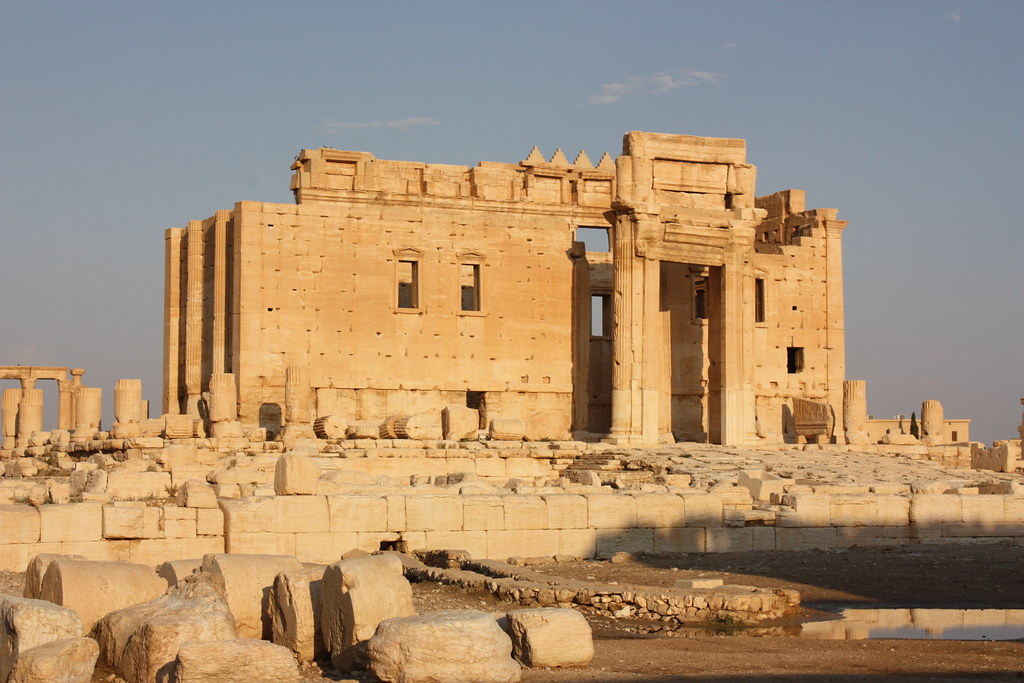
Rome developed a layered revenue system that drew on tribute, land taxes, customs, and other obligations across provinces. The exact forms varied over time and place, but the strategic principle remained constant: the empire needed dependable flows from the territories it governed.
That system worked best when local elites, legal authority, and military deterrence aligned. Rome did not collect every coin with its own hands. It relied on intermediaries, administrative habits, and the political normalization of imperial rule. Extraction becomes cheaper when subjects accept it as part of the order of things.
This is what made Rome formidable. The empire was not only victorious. It was administratively legible enough to convert conquest into recurring revenue.
The Expansion of Power

Once tax flows stabilized, Rome could sustain far more than military occupation. Revenues supported roads, bureaucracy, local governance structures, and the wider architecture that made the empire feel permanent. Fiscal systems do not merely fund power; they help stage power in everyday life.
The machine also had a self-reinforcing quality. Revenue paid armies. Armies protected territory. Protected territory kept paying revenue. As long as this loop held, the empire could project strength beyond what one season of campaigns might otherwise sustain.
But fiscal systems are never purely economic. They are political settlements. If extraction becomes too heavy, corruption too visible, or military costs too high, the loop begins to strain. That is when a tax system shifts from looking like order to looking like burden.
The Hidden Strategy Behind the Fortune

The hidden strategy behind the fortune was extraction made governable.
Rome did not simply take wealth. It built enough law, habit, and administrative structure around taking wealth that extraction could continue over long periods without constant emergency coercion. That is what separates plunder from fiscal power.
This distinction matters for modern readers. A durable revenue machine is not one that maximizes short-term take. It is one that aligns collection with legitimacy, deterrence, and productive continuity. Rome fiscal system was powerful because it was embedded in a broader state structure. the East India Company later replicated this model centuries later, applying the same principle in a corporate context.
The empire real brilliance lay in making taxation feel like the operating logic of order itself.
The Cost, Risk, or Collapse

The cost was always present. Provincial extraction could be unequal, resented, and economically draining. Corruption and abuse could distort the state own interests. Military needs could intensify fiscal pressure exactly when local resilience was weakest.
That is why empires often look strongest shortly before their fiscal contradictions become harder to hide. The larger and more expensive the system becomes, the more skill it requires to keep legitimacy and revenue aligned.
Rome long life should not distract from this fragility. It should sharpen it. An empire that lasted so long still had to solve the same timeless problem: how much can a state take before the machine begins weakening itself? the Ottoman Empire used similar fiscal logic, eventually running into the same structural limits centuries later.
Lessons for Modern Business Readers

1. Recurring revenue is the true backbone of scale
Growth stories sound glamorous, but enduring power depends on the recurring flow that finances the system behind the story.
2. Extraction must preserve the base
A revenue machine that destroys productivity or legitimacy eventually starves itself.
3. Administration multiplies conquest
Winning territory once matters less than building a system that can keep territory paying over time.
4. Legitimacy lowers collection costs
The more normal the system appears, the less force it needs for every round of extraction.
5. Military and fiscal power are interlocked
Armies protect tax systems, and tax systems fund armies. Each depends on the other.
6. Every empire becomes a finance problem
Sooner or later, the question is not how to conquer more, but how to fund what has already been conquered.
Book Recommendation
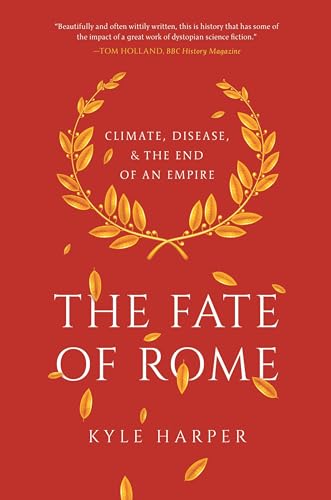
For readers who want the best next step, start with The Fate of Rome by Kyle Harper. It shows how climate, disease, and fiscal collapse interacted to end the empire — essential context for understanding what happens when the revenue machine finally fails.