Many people know how the Rockefeller fortune was made. Fewer understand how it survived. That second story is less dramatic on the surface, but it may be more strategically important.
After Standard Oil, the family did not merely sit on money. It built structures around money — trusts, foundations, offices, and carefully managed legitimacy — until the fortune could outlive the operating empire that first created it.
This is the Hidden Fortunes angle. The hidden strategy was conversion: turning one type of power into another before time could weaken it.
The World Before the Fortune

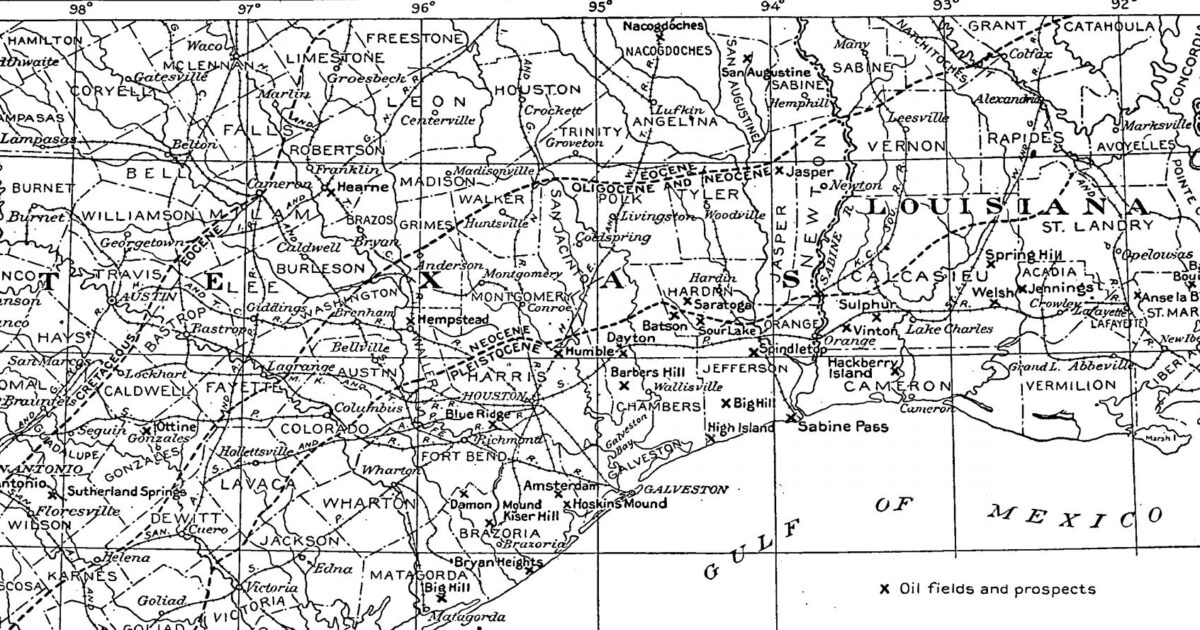
John D. Rockefeller built his original power inside oil through scale, system control, and ruthless discipline. Standard Oil did not just dominate oil. It organized an entire industry around a logic of efficiency and control that competitors could not match.
By the early twentieth century, one question stood over the family: could wealth born in monopoly survive antitrust, succession, public criticism, and the sheer complexity of keeping a giant fortune coherent across generations?
That challenge is what separates ordinary riches from dynastic power. Making money is one skill. Preserving influence after the original engine changes form is another.
The Rise

The breakup of Standard Oil in 1911 is often remembered as punishment. It was also a financial turning point. Holdings in successor companies — Exxon, Mobil, Amoco, Chevron — could still generate enormous value as the global oil industry expanded far beyond what the original monopoly had reached.
John D. Rockefeller Jr. and later family leaders placed growing emphasis on trusts, governance, and philanthropy. Money that had once been associated mainly with oil extraction and monopoly control was gradually reframed through institutions that carried a different public meaning.
This is the beginning of the family second fortune. The first fortune was operating power. The second was institutional endurance.
The Expansion of Power

Philanthropy mattered not only as giving but as architecture. Foundations create governance, staffs, reputational capital, and long time horizons. The Rockefeller Foundation, established in 1913, gave the family a presence in global health, agriculture, and international policy far beyond what any individual investor could maintain.
Rockefeller Center itself, built during the Great Depression, transformed the family name into a permanent fixture in New York City. The project was commercially risky and symbolically enormous. It announced that a family born in oil intended to remain at the center of American life regardless of what happened to petroleum.
That is how an industrial empire turns into a social and institutional ecosystem. The name stops referring only to a business and starts referring to a network.
The Hidden Strategy Behind the Fortune
The hidden strategy behind the fortune was institutional conversion. Rockefeller wealth survived because it changed form before history made the original form too vulnerable.
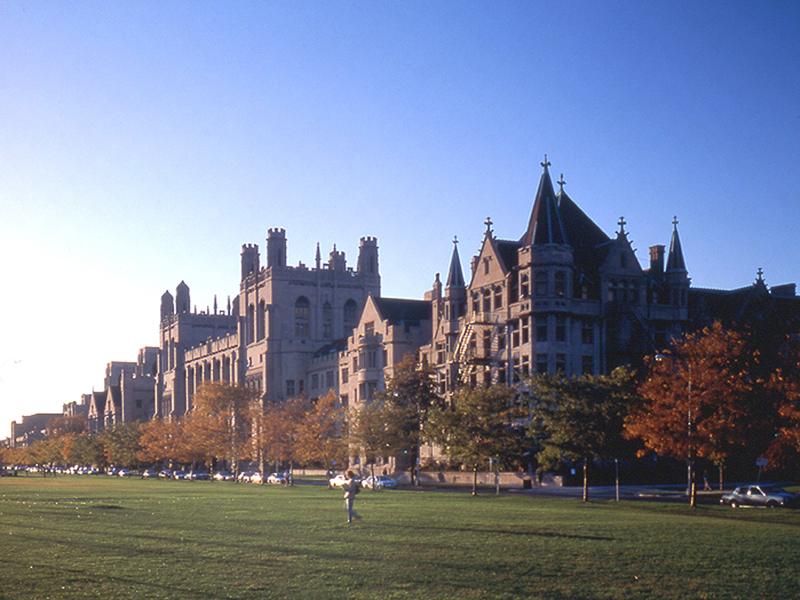
Industrial cash flow became diversified holdings. Personal fortune became trust structure. Controversial capital became philanthropic legitimacy. Founder authority became governed continuity. The University of Chicago, Rockefeller University in New York, and the Rockefeller Foundation all planted the family name inside institutions that would endure on their own terms.
For modern readers, this is a premium lesson in second-stage strategy. The first stage asks how to build the fortune. The second asks how to make the fortune survive its own origins.
The Cost, Risk, or Decline

Institutional power should not be confused with moral neutrality. Philanthropy can improve public life and still function as a legitimacy structure around controversial wealth. A serious reading has to hold both realities together.
There is also a dilution risk in every dynasty. As generations multiply and operating command fades, direct power becomes less concentrated even if network influence remains significant. The Rockefeller family today spans hundreds of descendants across many branches. Collective wealth and family cohesion are different things.
That is why the Rockefeller story is not one of total invulnerability. It is a story of unusually skilled adaptation — adaptation that later generations must continue or lose.
Lessons for Modern Business Readers

1. Change the form of wealth before the old form weakens
The most resilient fortunes do not wait for external pressure to force reinvention. The Rockefellers began their conversion before Standard Oil was fully under threat.
2. Governance is a strategic asset
Rules, trusts, and management structure can protect wealth more effectively than improvisation. A large family fortune becomes unstable when it depends on personality alone.
3. Legitimacy compounds
Public respectability can preserve access and influence long after the original business has changed. Institutions carry reputations that individual assets cannot.
4. Diversification is stronger when institutionalized
A fortune spread across assets but bound by governance can outlast single-industry dependence. The successor companies to Standard Oil gave the family diversification without loss of coherence.
5. Dynasties need systems, not sentiment
Affection alone does not preserve great fortunes across generations. The Rockefellers built offices, trusts, and formal structures precisely because they understood this.
6. Preservation is a different game than accumulation
The traits that build a monopoly are not always the traits that sustain a family ecosystem. At some point, governance becomes the real moat.
For business readers, the practical lesson is to think in stages. The strategy that creates wealth may not be the strategy that preserves it. That is why the Rockefeller family remains such a useful Hidden Fortunes subject. The deeper power was not just oil. It was what happened after oil stopped being enough.
Recommended reading: The Rockefellers by Peter Collier and David Horowitz — the family-scale story beyond the founder that shows how wealth, legitimacy, and dynasty intertwined over time.