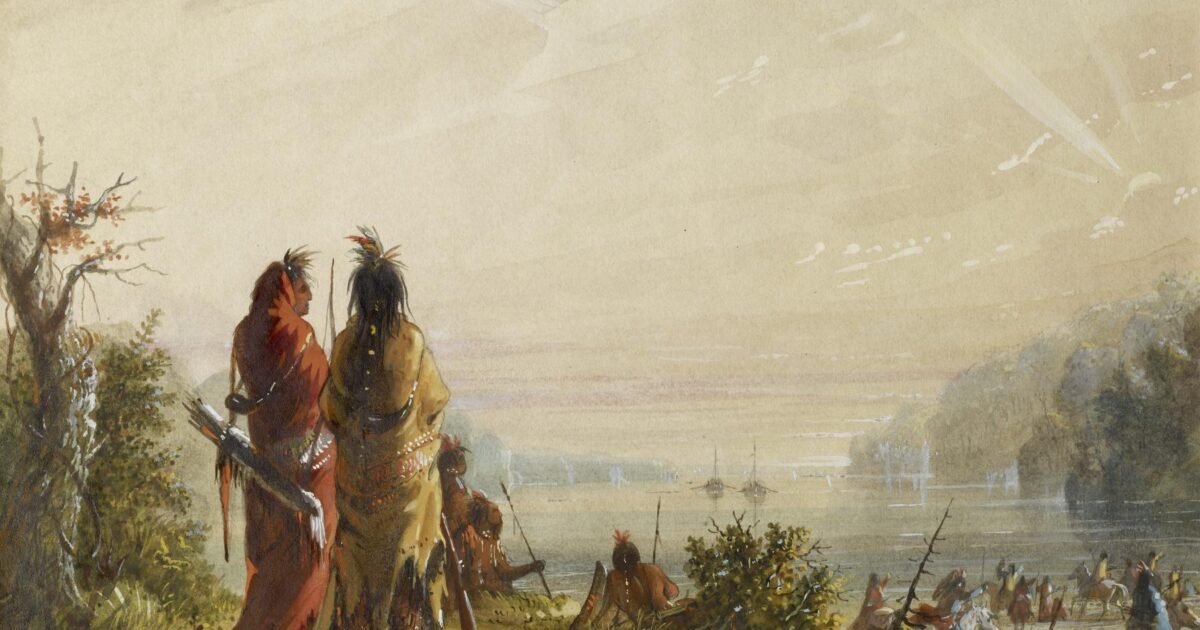
Trade can make a man rich. Land can make his fortune difficult to erase. John Jacob Astor understood that difference early enough to change the shape of his wealth.
He is often remembered as a fur-trading titan, but the more strategic chapter came later, when he began buying Manhattan land with the patience of someone who suspected the city would become more valuable than the trade that first enriched him.
That is the Hidden Fortunes angle. The hidden strategy was geographic patience.
The World Before the Fortune
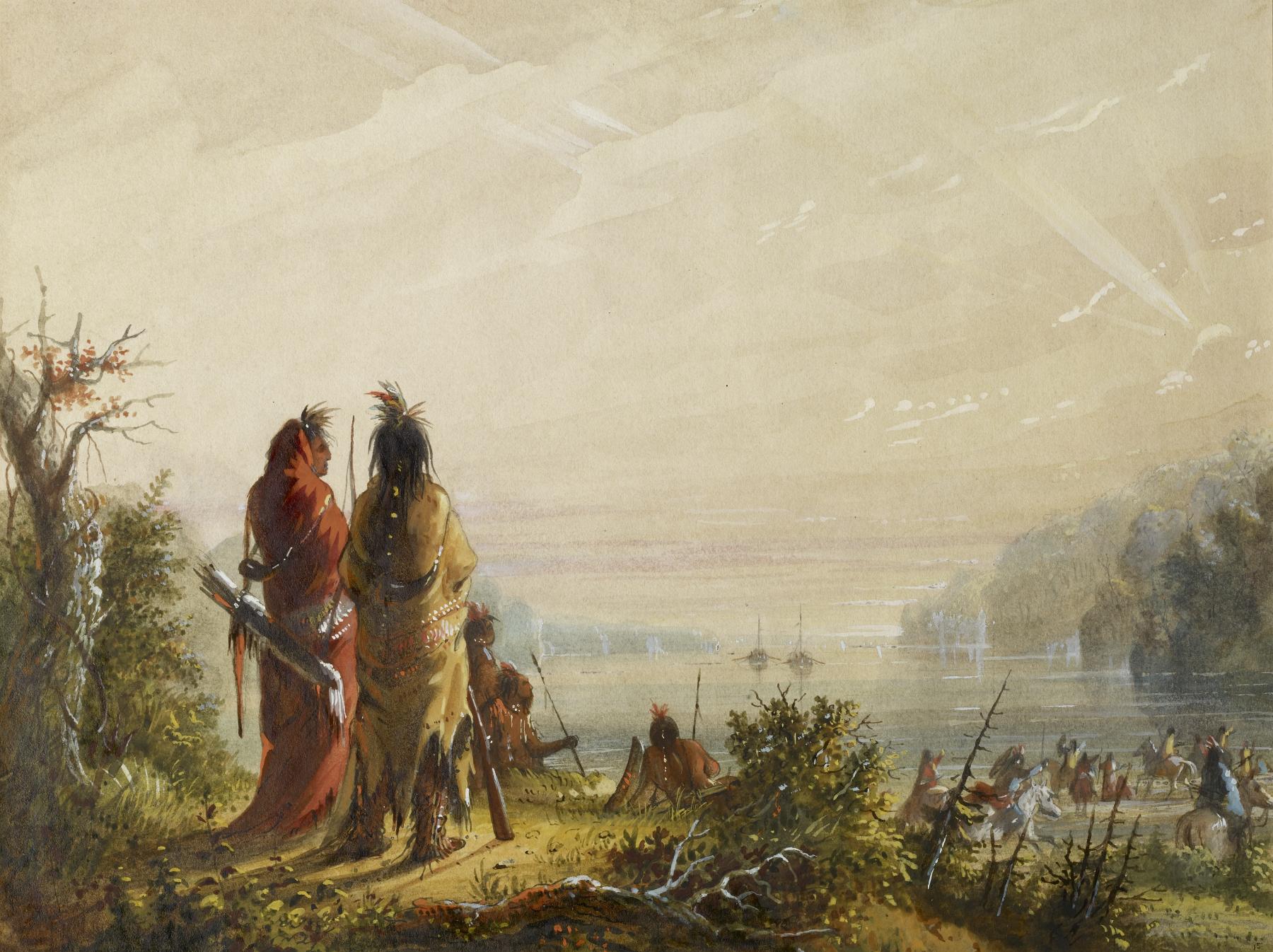
Early American commerce rewarded speed, risk tolerance, and frontier reach. Fur trading could generate strong returns, but it was exposed to distance, shifting demand, politics, and the limits of extraction.
New York, meanwhile, was beginning a different ascent. It was becoming a commercial and financial center, which meant that land in the right places could eventually behave like a quieter, more permanent monopoly.
The strategic question was whether a trader rich enough to keep chasing commerce would have the discipline to move into a slower but deeper asset class. Astor did.
The Rise

Astor first built capital through the fur trade and related commerce, proving that he understood routes, demand, and market opportunity. That first stage mattered because it created the cash needed for a second stage many merchants never reach.
Instead of leaving his wealth trapped in the same trading logic that created it, he began acquiring Manhattan land. This was a move from motion to position. Trading wealth depends on repeated activity. Prime land can let the surrounding city do more of the compounding for you.
That shift is what turned a successful merchant into a patient empire-builder.
The Expansion of Power

As New York grew, the value of well-positioned land deepened. Rents, leases, and appreciation turned real estate into a more stable engine than frontier commerce. Astor was no longer merely participating in transactions. He was sitting underneath them.
This is why real estate became the stronger dynastic platform. A fur network requires expertise, routes, and constant management. Manhattan land becomes more useful as the city becomes more crowded, commercial, and socially stratified.
The family later presence in Gilded Age society reflected more than taste. It reflected the endurance of an asset strategy rooted in urban scarcity.
The Hidden Strategy Behind the Fortune

The hidden strategy behind the fortune was asset migration into scarcity. Astor used active trade to build the first pool of wealth, then moved that wealth into land whose value would rise as New York itself expanded.
This matters because many fortunes die inside the logic that first created them. Astor escaped that trap. He understood that the best use of commercial profit is often to buy a stronger class of asset before everyone else recognizes its future importance.
Competitors who stayed too attached to turnover, inventory, or frontier-style commerce remained exposed to the volatility of trade. Astor increasingly sat in a different position. He owned land that other people would need to rent, traverse, or build upon as the city matured.
The Cost, Risk, or Decline
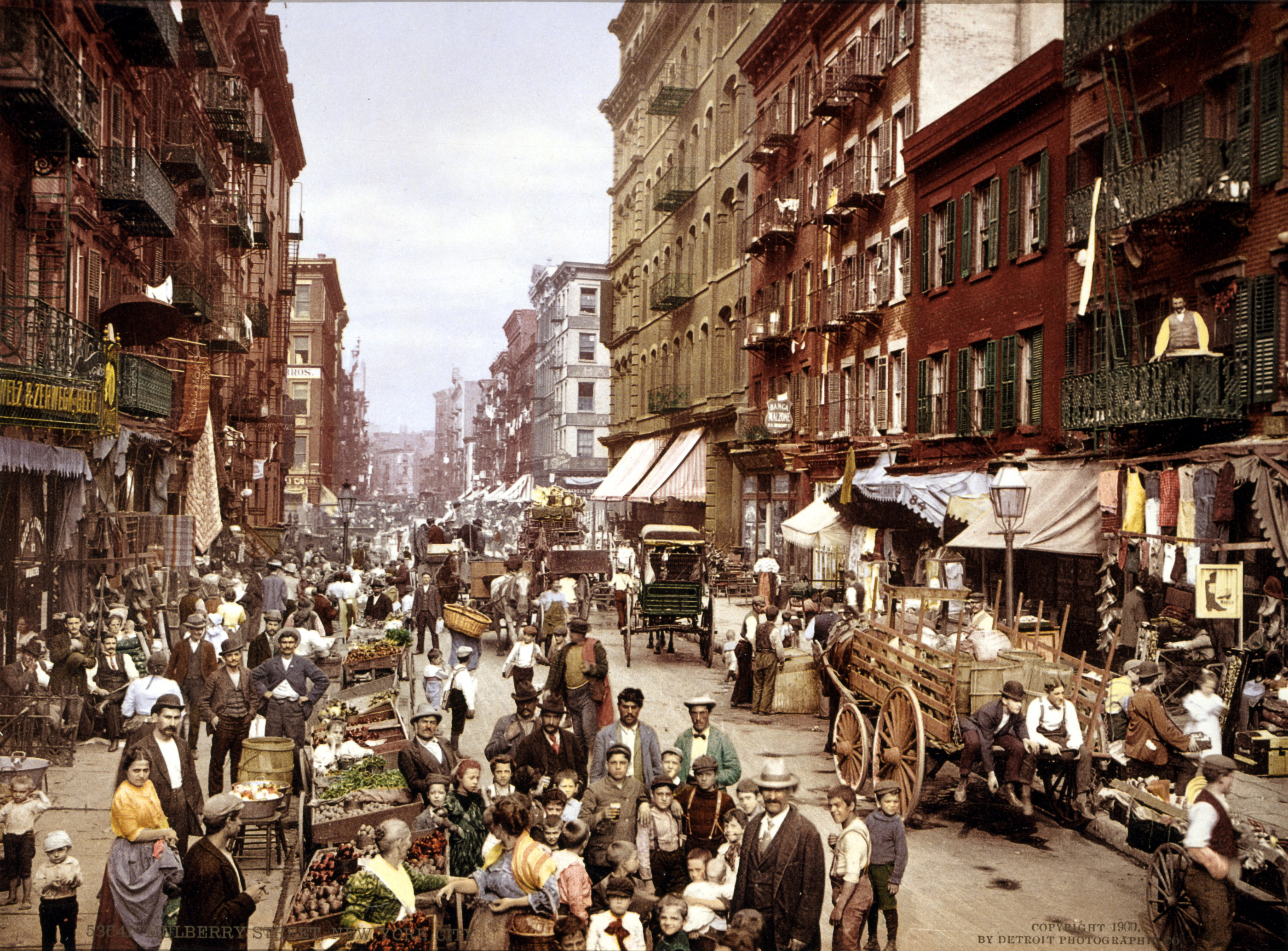
The strategy was powerful, but it also tied wealth to urban inequality, rent extraction, and the social hierarchy of a city becoming harder-edged and more unequal. A premium reading cannot treat dynastic urban power as socially innocent.
There is also a concentration risk in any geography-driven fortune. If a city stalls, politics shift sharply, or inheritance fragments discipline, the machine can weaken. The Astors endured because New York kept expanding and because the underlying asset was unusually strong.
Later generations of the family became associated more with Gilded Age society than with active investment discipline. That softening is a normal feature of dynastic wealth. The asset held. The operational intensity did not need to.
Lessons for Modern Business Readers

1. Use trade to buy scarcity
Fast money becomes deeper wealth when it is converted into assets that others cannot easily reproduce. Astor understood that fur profits were a means, not an end.
2. Patient assets often outlast active businesses
A durable asset can preserve and grow wealth with less day-to-day fragility than a high-turnover enterprise. The city compounds value on your behalf.
3. Buy the future map early
Fortunes often belong to the people who see where a city, market, or system is heading before consensus arrives. Astor bought Manhattan when it was still underpriced relative to its eventual role.
4. Asset migration is a second-stage skill
It is not enough to earn. The bigger question is where earnings are redeployed. Most merchants never cross this threshold.
5. Scarcity compounds with ecosystem growth
As New York became more central, the right land became more powerful almost automatically. The asset and the ecosystem reinforced each other.
6. Patience can be a strategic moat
The discipline to wait for a city to catch up to your thesis is rarer than it sounds. Most operators cannot resist the pressure to redeploy capital into the next active trade.
For business readers, Astor offers a calm but profound lesson. The first fortune comes from motion. The stronger fortune often comes from where you park the winnings afterward. The hidden strategy was not speed. It was knowing when to stop chasing the frontier and start owning the ground beneath the future.
Recommended reading: When the Astors Owned New York by Justin Kaplan — captures the family New York dominance and explains why land, not just trade, became the enduring engine of Astor wealth.