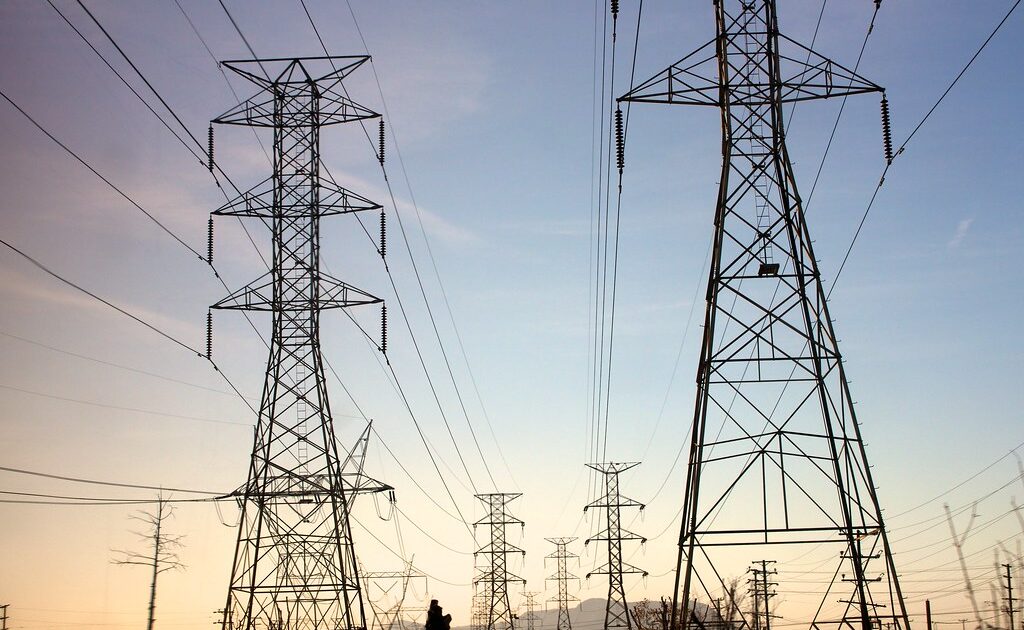
The most valuable machine in a power-constrained economy may be the one that can decide not only what to compute, but when to compute it.
AI data centers are usually discussed as giant consumers of electricity — loads that strain grids, drive demand for new generation, and create problems for utilities and grid operators trying to balance supply. That framing is accurate as far as it goes. The scale of the AI infrastructure buildout has made data center electricity demand one of the most significant forces in power markets. But it misses a potential reversal: large, predictable, flexible loads can also become assets in electricity markets, not merely problems.
The data center debt machine has been financing an extraordinary expansion of computing infrastructure. The question this article explores is whether the next competitive differentiator in that infrastructure — beyond raw compute capacity and location — might be how intelligently a data center manages its relationship with the power system around it.
The BIS warning about AI capex financing focused on return assumptions embedded in current investment levels. One dimension of that return question is the power cost structure: data centers that can reduce their effective electricity costs through grid-responsive operation could have structural margin advantages over competitors that treat electricity as a fixed cost.
The World Before the Fortune

Modern infrastructure systems get stronger when one asset can perform multiple roles at once. In electricity markets especially, flexibility itself can become economically valuable because it changes how scarce capacity is used and priced.
Electricity markets are inherently complex because electricity cannot be easily stored at grid scale, demand and supply must be balanced in real time, and the physical infrastructure of transmission and distribution creates geographic constraints on where power can flow. These characteristics create price volatility and capacity constraints that are unlike other commodity markets.
The concept of demand response — industrial and commercial loads that can adjust their consumption in response to grid conditions or price signals — has existed in electricity markets for decades. Large industrial consumers like aluminum smelters, paper mills, and data centers have participated in demand response programs that allow grid operators to reduce their consumption during periods of high demand or constrained supply, in exchange for payments or reduced electricity rates.
What makes the AI data center context different is scale and the characteristics of AI workloads. The AI training and inference tasks running on modern data centers have varying time-sensitivity. A model training run that takes three days is not very sensitive to an hour delay; inference queries serving user requests are highly time-sensitive. This heterogeneity of workload time-sensitivity is precisely the characteristic that makes grid-responsive operation potentially valuable: a facility that can shift its flexible workloads to match grid conditions, while maintaining low-latency service for time-sensitive queries, could participate meaningfully in electricity market mechanisms.
The Rise

The strategic idea behind grid-responsive compute is that a data center may eventually capture value not only by processing more workloads, but by timing, shifting, or curtailing loads in ways that interact intelligently with the surrounding power market.
The economic mechanism is specific. Electricity prices in organized wholesale markets vary by hour, day, and season — often dramatically. During periods of high demand or low renewable generation, marginal prices can spike to multiples of their average value. During periods of low demand or abundant renewable generation, prices can fall to very low levels or even go negative. A data center that can shift computational work from high-price to low-price hours reduces its average electricity cost substantially.
The technical requirements for grid-responsive operation are non-trivial. The facility needs real-time visibility into electricity prices or grid conditions. Its workload management software needs to categorize jobs by time-sensitivity and shift flexible jobs in response to price signals. Its power management systems need to modulate actual consumption smoothly, without creating the kind of sudden large load changes that can themselves create grid problems. And the facility’s contracts with grid operators or utilities need to enable the relevant market participation mechanisms.
Several hyperscalers have moved in this direction. Google has published research on carbon-aware computing — shifting workloads geographically and temporally to periods when grid carbon intensity is lower. Microsoft has experimented with load-following approaches that adjust data center consumption in response to grid conditions. These are early-stage implementations of what could become a much more sophisticated set of grid-responsive capabilities as the economic incentives grow larger.
The Expansion of Power

That is why this article is worth adding now. It gives the AI infrastructure branch a more precise mechanism than generic power scarcity and helps readers see how compute strategy can start blending into utility strategy.
The value of grid-responsive operation grows in proportion to electricity price volatility. Grids with high shares of variable renewable generation — solar and wind — tend to exhibit greater price volatility than grids with primarily dispatchable generation. As renewable penetration increases across major electricity markets, the arbitrage value of flexible load grows. A data center that can shift several hundred megawatts of consumption by even a few hours creates meaningful value in a market where that flexibility is scarce.
Grid operators in most organized electricity markets have formal mechanisms for compensating flexible loads: demand response programs, ancillary service markets for frequency regulation and spinning reserve, and in some cases capacity market participation. A data center that qualifies to participate in multiple market mechanisms can stack revenue streams — earning payments for demand response availability, frequency regulation, and capacity commitment, in addition to the direct electricity cost savings from load timing.
The emerging AI power cartel dynamic — where large AI companies secure exclusive long-term power purchase agreements and co-location arrangements with generators — represents one approach to the electricity cost problem. Grid-responsive compute represents a complementary approach: rather than locking in supply at fixed prices, develop the operational flexibility to capture value from market price variations.
The Hidden Strategy Behind the Fortune

The hidden strategy behind the fortune was treating AI data centers not only as power consumers but as flexible assets that can interact with the grid, pricing, and infrastructure planning.
The competitive advantage that grid-responsive operation could create is structural rather than transient. A data center that has invested in the software infrastructure, operational capabilities, and market relationships required for grid-responsive operation has a lower effective electricity cost than a competitor with identical hardware and equivalent location but without grid-responsive capabilities. In a business where electricity typically represents 40-60% of operating costs, a persistent 10-15% reduction in effective electricity costs through load flexibility is a substantial margin advantage.
The strategic moat is also reinforced by regulatory relationships. Data centers that participate in grid programs — demand response, ancillary services, capacity markets — develop relationships with grid operators and utilities that can influence future policy decisions about data center interconnection, grid access, and rate structures. The largest and most sophisticated grid-responsive participants can shape the regulatory environment in ways that reinforce their own advantages.
The lasting lesson is about how electricity pricing, flexible load management, and compute scheduling as infrastructure strategy can become a lever that distinguishes facilities with genuinely different cost structures — not just different locations or different hardware procurement relationships.
The Cost, Risk, or Collapse
The concept is still unevenly developed and highly dependent on location, regulation, power-market rules, and workload design. A good analysis has to respect those limits.
The challenges of grid-responsive compute are real. Not all electricity markets have the price signals, market mechanisms, or regulatory frameworks that make demand response valuable. Some markets are still organized around cost-of-service utility regulation that does not transmit real-time price signals to large loads. Others have demand response programs with participation requirements — minimum size thresholds, measurement and verification protocols, notification procedures — that make participation operationally complex.
The workload compatibility requirements are also significant. Inference workloads serving real-time user requests cannot be deferred or shifted — they must be served immediately. Training workloads can potentially be scheduled more flexibly, but require sustained, uninterrupted computation for periods that may exceed the window when low electricity prices are available. The fraction of a facility’s workload that is genuinely flexible enough to shift in response to price signals may be smaller than the concept implies.
The capital investment required to implement sophisticated grid-responsive capabilities — monitoring systems, workload management software, operational training, market participation infrastructure — is non-trivial. For smaller data center operators, the investment may not be recoverable given the scale of their participation in electricity markets. The capabilities are most valuable for very large facilities with heterogeneous workloads and significant market presence.
Lessons for Modern Business Readers
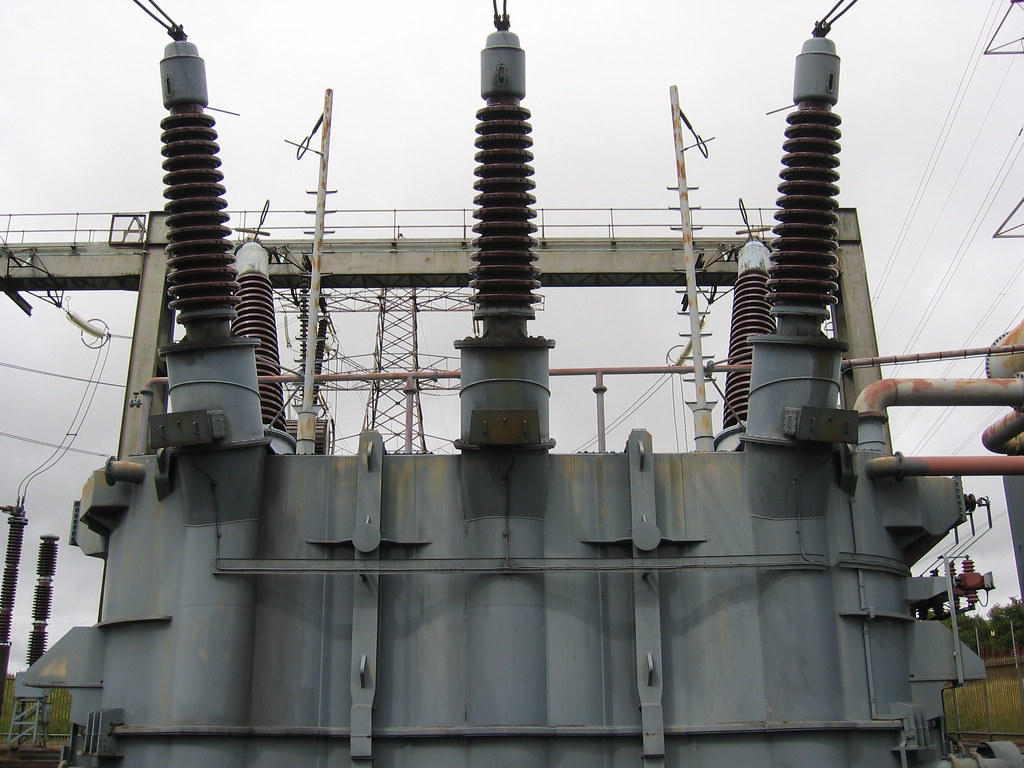
1. Large loads can be assets as well as costs
The standard framing of data center electricity consumption is as a cost to be minimized. The grid-responsive framing reconceptualizes large predictable loads as assets that can participate in market mechanisms — earning revenue from flexibility rather than simply incurring cost from consumption. This reconceptualization is available to any large industrial consumer with workloads that have heterogeneous time-sensitivity.
2. Flexibility has a market value that compounds with grid stress
The value of demand-side flexibility in electricity markets grows as grids become more stressed — either by higher penetration of variable renewable generation or by the addition of large new loads like AI data centers themselves. As more data centers come online and power markets tighten, the marginal value of flexible consumption increases, which increases the return on investment for grid-responsive capabilities.
3. Operational sophistication can create structural cost advantages
Grid-responsive operation requires investment in software infrastructure, operational training, and market relationships. These investments are not easily replicated without time and organizational commitment. A data center operator that builds these capabilities ahead of competitors can maintain a structural electricity cost advantage that is not accessible simply through hardware procurement or location selection.
4. Regulatory participation shapes future market structure
Large industrial loads that participate actively in electricity market programs develop relationships with grid operators and regulatory bodies that smaller or less engaged market participants do not have. These relationships can influence future regulatory decisions about interconnection procedures, rate structures, and program design in ways that benefit the most sophisticated market participants.
5. The integration of compute and energy strategy is still early
Most data center operators currently treat compute optimization and energy procurement as separate functions managed by separate teams. The convergence of these functions — developing operational capability to optimize both simultaneously in response to real-time market signals — is still early. The operators that integrate these functions earliest may develop capabilities that are difficult to replicate and that compound in value as electricity markets evolve.
Conclusion
Seen clearly, this is not just a story about data centers and electricity prices. It is a story about how large infrastructure assets can be redesigned to participate in multiple market mechanisms simultaneously — and how the operators that develop this multi-market participation capability can create structural cost advantages that pure-hardware competitors cannot replicate.
That is why the article belongs inside the Hidden Fortunes ecosystem. It deepens the Modern Power Systems / Power Infrastructure cluster with a precise account of how grid-responsive operation could distinguish the next generation of data center operators — and creates clean bridges to the AI infrastructure investment race, the data center debt machine, and the BIS capex warning as complementary lenses on the same infrastructure buildout.
Book Recommendation
For readers who want the strongest next step, start with The Grid by Gretchen Bakke. It is the best accessible account of the American electricity system — its historical development, current vulnerabilities, and the regulatory and market structures that determine how large consumers and producers can interact with it.
![[Gretchen Bakke] The Grid: The Fraying Wires Between Americans an...](https://m.media-amazon.com/images/I/51lzmz4DKZL.jpg)