Industrial America did not have one empire formula. It had several. Vanderbilt and Carnegie represent two of the clearest.
One grew rich by controlling movement across routes people needed. The other grew rich by controlling the integrated machine that produced material those routes demanded.
This is the Hidden Fortunes comparison because the real question is not whose name sounds bigger. It is which model created deeper leverage.
The World Before the Fortune
 Vanderbilt and Carnegie sought to dominate” style=”width:100%;height:400px;object-fit:cover;display:block;”/>
America needed transport and materials at scale. Railroads were threading the continent. Cities demanded steel. The sheer momentum of industrial expansion created enormous opportunity for anyone willing to position themselves inside necessity rather than chasing it from the outside.
But necessity alone does not explain empire. The more revealing question is which layer of the economy became the better place to sit. Vanderbilt and Carnegie each chose a different answer to that question.
Understanding the choice each made is the first step in seeing why their strategies produced such durable power.
The Rise

Vanderbilt mastered routes, traffic, and the economics of movement. He understood that if enough commerce and passengers had to pass through your system, pricing power and influence followed. He started with steamboats and migrated into railroads with the same strategic logic: find the chokepoint in a route network and own it.
Carnegie mastered integrated production and cost discipline. He understood that if enough infrastructure growth depended on your steel machine, competitors would keep fighting your economics, not just your sales force. His rise came through tightening, not expanding — through control of the chain rather than control of the map.
The two models look different, but both rely on compulsion. Vanderbilt compelled movement. Carnegie compelled input.
The Expansion of Power

Routes scale by becoming harder to bypass. Integrated production scales by becoming harder to match at cost and volume. Vanderbilt and Carnegie each pursued one of those paths to dominance.
Vanderbilt consolidated railroads into systems, eventually building the New York Central network with Grand Central as its anchor. The terminal itself became a symbol of how completely route control could reshape a city and an economy.
Carnegie meanwhile made cost compression into a compounding weapon. Every process improvement made the gap between Carnegie Steel and its competitors wider. The machine did not just produce steel. It produced a structural advantage that required matching the whole system rather than any single element.
The Hidden Strategy Behind the Fortune

The hidden strategy behind the comparison is layer selection. Vanderbilt chose movement. Carnegie chose production. Both built inside necessity, but at different points in the same industrial system.
The smarter model depends on conditions. If the route is the choke point, traffic control can be superior. If the machine is the choke point, integrated production may dominate. The deeper lesson is to identify the most compulsory layer in your era.
What makes this comparison premium is that neither man was simply lucky. Each had a thesis about where leverage lived. Vanderbilt believed in the irreplaceable route. Carnegie believed in the irreplaceable system. Both were right — for their particular position in the industrial chain.
The Cost, Risk, or Decline
Both models carried social cost and concentration risk. Neither was neutral simply because it was efficient. Vanderbilt railroad power generated price complaints, political battles, and regulatory attention. Carnegie production discipline led to Homestead and labor confrontation.
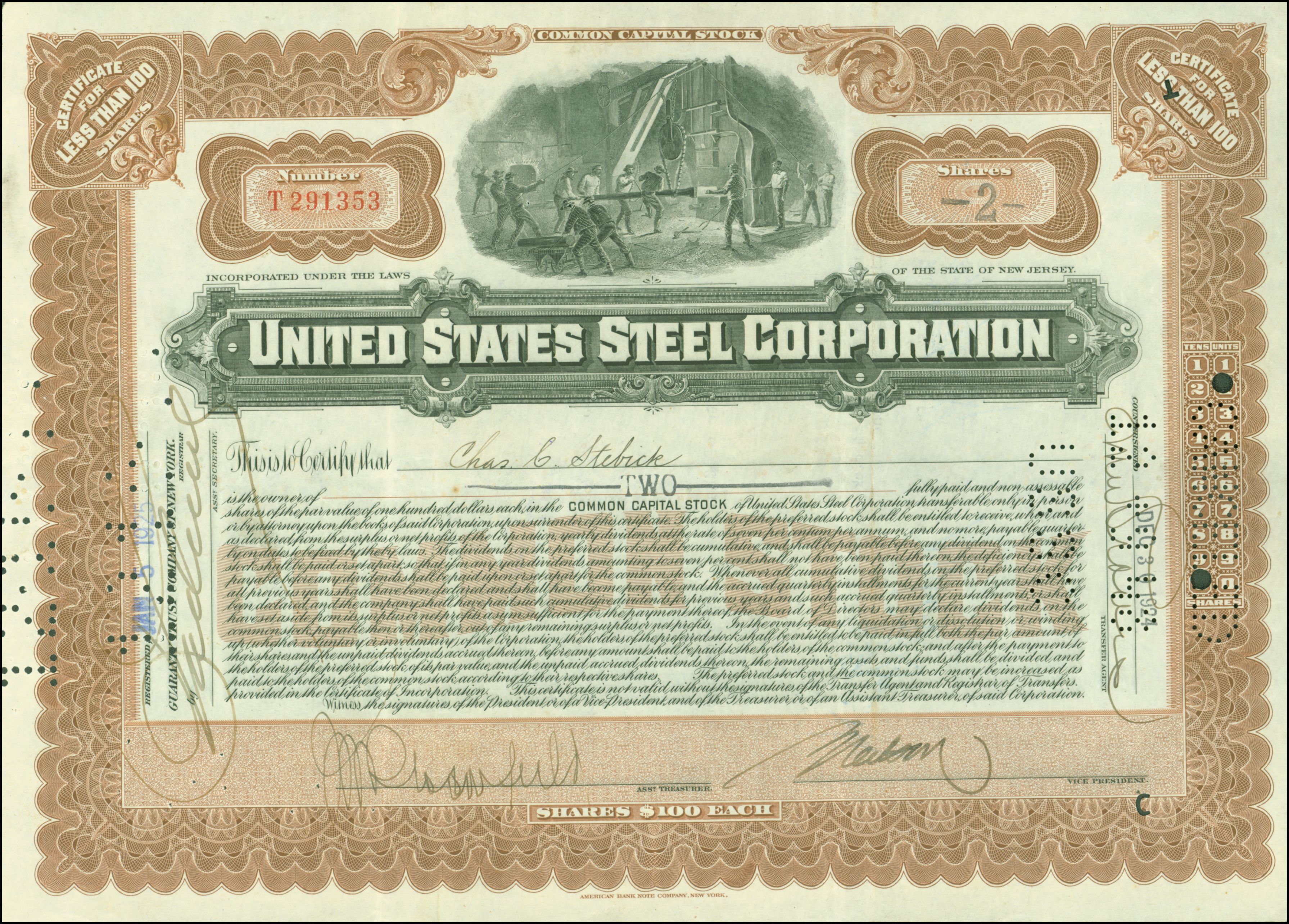
Their eventual transformation also reminds readers that even great layers of control eventually get folded into larger systems. Carnegie sold to J.P. Morgan for $480 million in 1901. U.S. Steel became the first billion-dollar corporation. Vanderbilt railroads eventually became part of Penn Central and beyond. Route and production empires both yielded to the pressures of consolidation, politics, and time.
Lessons for Modern Business Readers

1. Find the compulsory layer
Fortunes deepen where an economy has to pass. Vanderbilt found it in routes. Carnegie found it in production inputs. Identifying the equivalent in your industry is the first strategic move.
2. Different moats produce different power
Route control and production control are not the same strategy. One bets on geography. The other bets on process. Both can be winning, but each requires different execution.
3. Comparison sharpens strategic judgment
Looking side by side reveals what biographies blur. Reading Carnegie alone does not show you what route control can achieve. Reading Vanderbilt alone does not show you the depth of integrated production.
4. Infrastructure winners are layer-aware
They know where the real dependency lives. Positioning yourself at a dependency point is more valuable than working harder inside a layer with low structural leverage.
5. Scale needs design
Big markets reward the best system, not only the boldest personality. Both men built systems. Neither simply outworked competitors. They out-designed them.
6. Every layer has a cost
Power systems are never purely technical. They reshape labor and society too. A serious reading of either fortune requires holding the productivity and the human cost together.
The real value of comparing Carnegie and Vanderbilt is not declaring a champion. It is learning to see how different types of inevitability produce wealth. That is the Hidden Fortunes payoff: not a winner, but a sharper lens for reading your own era.
Recommended reading: The First Tycoon by T.J. Stiles — grounds Vanderbilt side of the comparison and pairs well with Carnegie industrial system story.