Empires like to pretend they acquire power through flags, treaties, and fleets. Sometimes they acquire it through a loan arranged quickly enough.
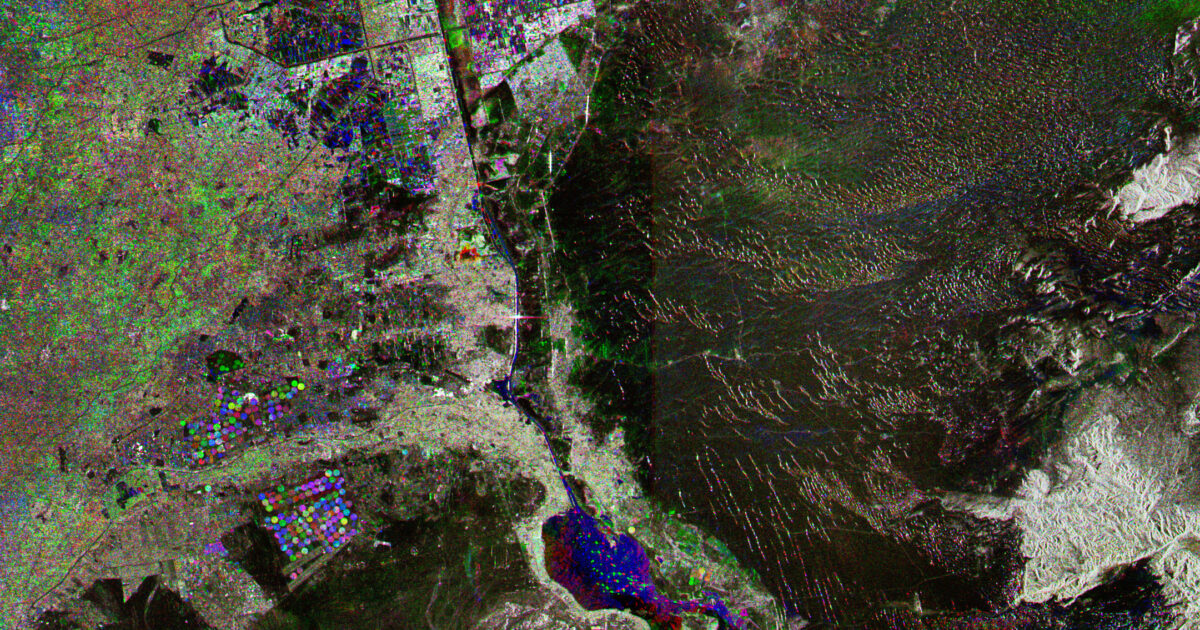
That is what makes the Suez story so revealing. Britain did not need to conquer the canal in a cinematic burst of force. It needed money, speed, and a financial intermediary capable of making strategic geography purchasable on short notice. The Rothschilds helped make that possible.
This is a perfect Hidden Fortunes satellite. The deeper fortune is not the canal alone. It is the proof that finance can move empire faster than military drama. The Rothschild family’s rise was built on exactly that principle — that a transnational banking network, trusted by governments, could compress the distance between strategic desire and strategic possession.
The World Before the Fortune

By the nineteenth century, global trade routes were becoming more integrated, and chokepoints mattered more than ever. Whoever influenced the key corridors of maritime movement could shape not only commerce but military timing and imperial connectivity.
Suez sat at the intersection of this logic. A canal that sharply altered the relation between Europe and Asia was never just a transportation convenience. It was a strategic instrument with enormous implications for whoever could influence it.
That meant the contest around ownership and access would always be larger than a simple share transaction. Money in this context became a tool for buying leverage over the map itself. The banking systems behind European empires were built precisely for moments like this — converting state ambition into executable financial moves.
The Rise

The Rothschilds were well placed for exactly this sort of moment because their strength was not merely in wealth, but in transnational credibility and speed. A family network trusted by governments and markets could mobilize capital under pressure more effectively than slower bureaucratic channels alone.
When the Suez share purchase became urgent, the family helped facilitate a move whose strategic consequences were much larger than the immediate financing task might suggest. This is why infrastructure finance matters historically. A loan or financing arrangement can alter imperial reality without looking, at first glance, like conquest.
In that sense, the episode belongs inside the same broader family logic as the Rothschild information advantage. Speed plus trust creates leverage when institutions move slower than opportunity. Finance can buy strategic geography faster than armies can conquer it when the right banker can move capital before the diplomatic machinery catches up.
The Expansion of Power

The political significance of the purchase extended far beyond one transaction. It gave Britain a stronger position in relation to a global chokepoint central to trade and imperial communication. Once that happened, the canal became not only a route but a strategic node embedded in the imperial system.
The financial significance is subtler. The Rothschild role demonstrates how elite banking houses could mediate between state ambition and immediate capability. A government may understand what it wants geopolitically, but the banker who can make the transfer happen quickly becomes part of the story of power itself.
This is one of the great hidden patterns of empire. Strategic assets do not always change hands through war first. They often change hands through liquidity first.
The Hidden Strategy Behind the Fortune
The hidden strategy behind the fortune was financing geography before politics fully settled.
The Rothschilds mattered because they could compress the time between imperial desire and imperial possession. In moments where the state wanted a strategic asset quickly, the banker capable of mobilizing money became more than a lender. He became an accelerant for geopolitical change.
That is why the Suez Loan deserves its own article. It transforms the Rothschild story from family history into a sharper lesson about how finance can move the map. For business readers, the modern lesson is stark. The Panama Canal story showed the same logic from the construction side — whoever controls the geography controls the terms on which the world trades.
The Cost, Risk, or Collapse
Infrastructure finance at imperial scale is never morally neutral. The canal sat inside a wider world of unequal power, colonial pressure, and strategic competition in which local sovereignty and human cost were rarely the first concern of major powers.
There is also a democratic cost to elite financial mediation. When a small network of bankers can accelerate state strategy, public accountability may arrive long after the crucial leverage has already shifted.
Still, this is precisely why the story belongs in Hidden Fortunes. It shows how power can move quietly, with signatures and credit rather than cannon fire, while changing the strategic world just as deeply. Fortunes built through Banking Dynasties logic still face execution risk, political reaction, and the possibility that the very technique that created power will later attract scrutiny.
Lessons for Modern Business Readers
1. Speed in finance can become speed in geopolitics
The faster capital moves, the faster strategic assets can change effective control.
2. Chokepoints attract money before they attract consensus
Whoever understands strategic geography early enough may use finance to preempt slower political processes.
3. Bankers can shape history without governing directly
Facilitating the transaction can be enough to matter deeply in the power structure around it.
4. Liquidity is a form of strategic force
Money available at the right moment can do what fleets or diplomats may take longer to accomplish.
5. Infrastructure ownership is bigger than engineering
The most important battles around major corridors often happen in finance and politics, not construction alone.
6. Quiet transactions can create loud consequences
Deals that look technical at the time can become major turning points in imperial history.
Book Recommendation
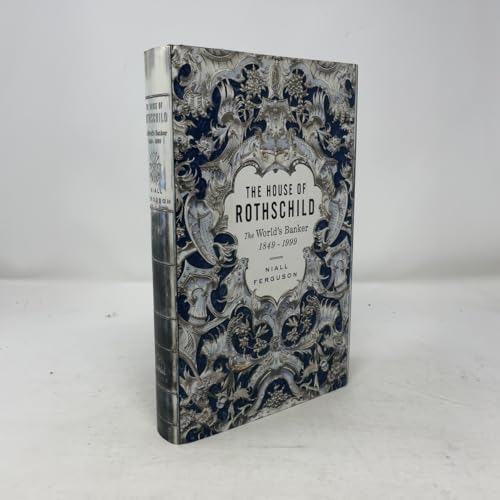
For readers who want the best next step, start with The House of Rothschild de Niall Ferguson. It is the definitive account of how the family built a transnational banking empire — and it helps extend the strategic logic of this article into the second half of the nineteenth century, when Rothschild power reached its global apex.