
Hook
Elon Musk has spent years behaving as if dependence were a bug in the system. When a supplier holds too much power, he tries to route around it. When a market bottleneck threatens growth, he starts talking about owning the bottleneck himself. Terafab is that instinct taken all the way down to silicon.
The project matters because it suggests Musk no longer sees chips as an input that can simply be purchased in sufficient quantities forever. He seems to see them as a sovereignty problem for Tesla, SpaceX, and xAI, a strategic dependency too dangerous to leave entirely in other hands.
That is what makes this a Hidden Fortunes story. The visible headline is another Musk moonshot. The hidden strategy is an attempt to own the bottleneck beneath multiple future empires at once.
The World Before the Fortune

For years, advanced chip manufacturing has been one of the most difficult supply layers in the modern economy to control. The expertise, capital, tooling, and process discipline required are so extreme that even giant companies often remain dependent on a small number of outside manufacturers and packaging ecosystems.
That dependency becomes more dangerous when a company’s ambitions keep multiplying. Tesla wants AI for vehicles and robots. xAI wants frontier-model capacity. SpaceX wants high-performance systems for increasingly data-heavy operations. At some point, the bottleneck stops looking like a procurement challenge and starts looking like a strategic threat.
This is the context in which Terafab makes sense. It is not an ordinary expansion story. It is a response to the fear that the next generation of growth may be capped by someone else’s wafer schedule.
What matters for modern readers is that the early advantage rarely looks glamorous. In every era, the future fortune begins inside disorder, partial information, and assets that seem too dull for the headline economy. The winner is usually the operator who sees which hidden layer will still matter after the visible excitement burns off.
The Rise
.jpg)
The public emergence of Terafab in 2026 turned a familiar Musk pattern into a more explicit industrial thesis. Instead of merely complaining about chip scarcity or negotiating supply harder, Musk described a joint project tied to Tesla and SpaceX and later linked to Intel’s 14A process. The message was unmistakable: if dependence becomes too dangerous, build your own route.
That logic has a long history in capitalism. Great fortunes often move upstream when the cost of relying on outsiders becomes unacceptable. The difference here is scale. Semiconductor fabrication is one of the most capital-intensive and technically unforgiving businesses in the world. To move upstream this far is to challenge one of the hardest layers on the board.
That is why the rise of the story matters even before the factory is complete. Terafab is already a declaration of strategic intent. It tells suppliers, investors, and rivals that Musk wants leverage not only in applications, but in the substrate that makes applications possible.
The temptation in stories like this is to make the rise look automatic once the first decisive move is made. History is harsher than that. The rise matters because it shows a sequence of disciplined choices, each one widening the moat until rivals start confusing deliberate structure with inevitability.
The Expansion of Power
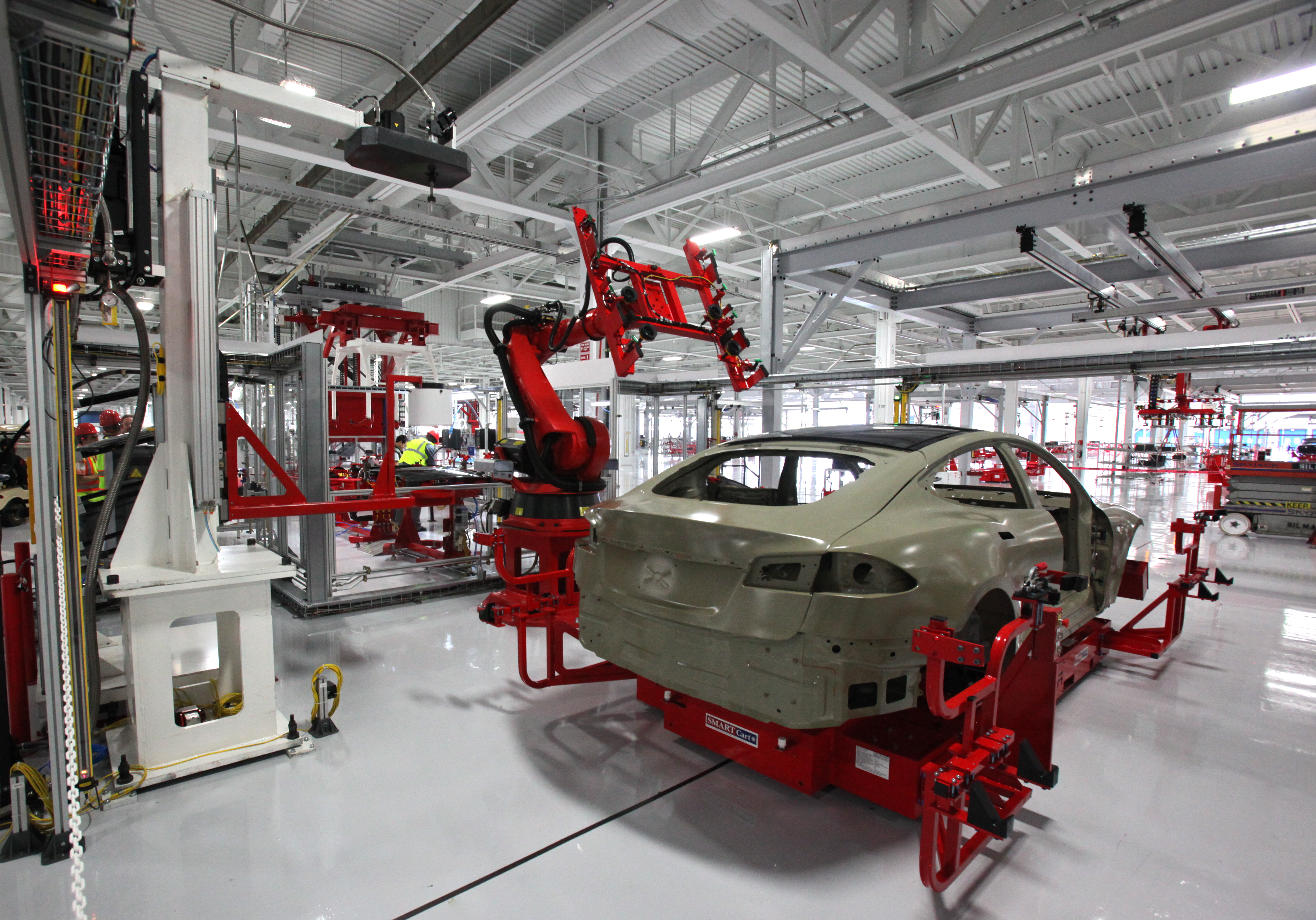
If Terafab works even partially, the implications are broader than one fab. Tesla could gain more security around future AI chips. xAI could reduce one layer of supply dependence. SpaceX could align more closely with a vertically integrated compute future. The shared demand across Musk’s companies is what makes the concept more than vanity.
That shared demand is crucial because fabrication is too hard to justify as a side hobby. It starts to become rational only when multiple high-growth businesses can anchor demand across years. In effect, Musk may be trying to build a private chip sovereignty layer underneath a cluster of companies that all consume compute at escalating rates.
The project also shows how today’s infrastructure battles are converging. Data centers need chips, robotics need chips, vehicles need chips, and AI needs chips. Once enough of a business empire depends on the same constrained component, vertical integration starts to look less eccentric and more defensive.
From an American business perspective, this is where the story becomes more than history. Expansion at this level is never just hustle. It is the conversion of one good position into a reinforcing network of positions, so that the system itself becomes harder to challenge than any single product, trade, or asset inside it.
The Hidden Strategy Behind the Fortune
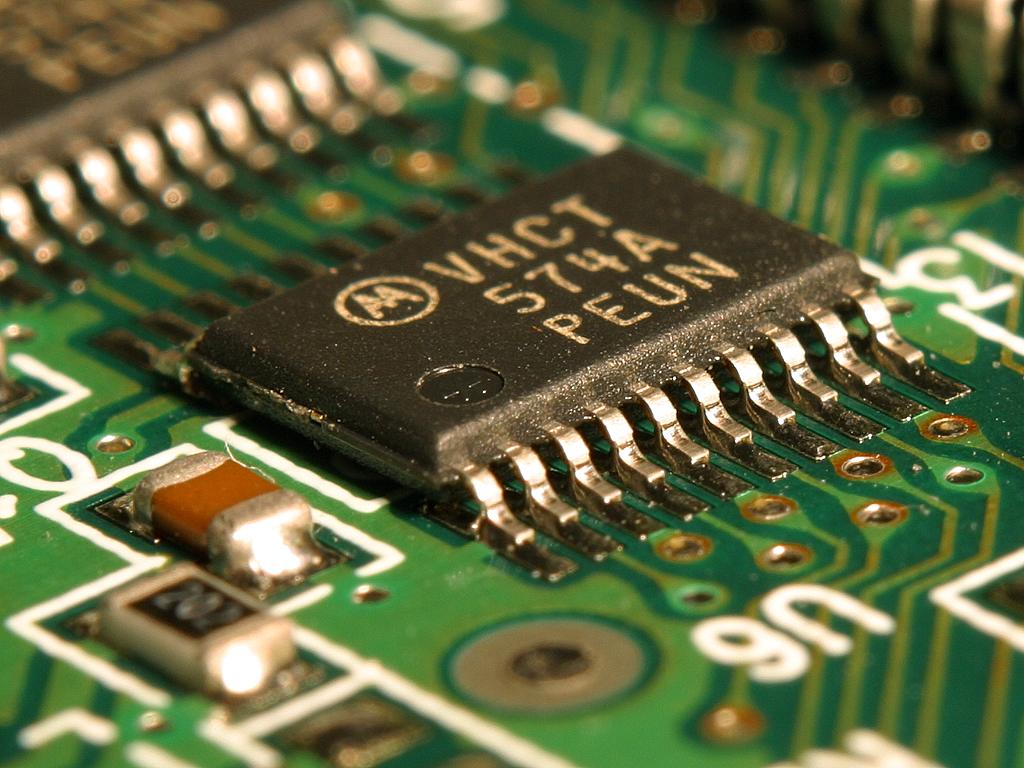
The hidden strategy behind the fortune is bottleneck internalization. Musk seems to be asking a simple brutal question: if chips are the limiting factor on multiple future businesses, why keep treating them as someone else’s problem? That question is pure Hidden Fortunes logic.
Owning the bottleneck does not require total independence on day one. It requires enough influence over the bottleneck that your rivals and suppliers can no longer fully dictate your ceiling. Even a partial move in-house can change bargaining power, delivery confidence, and long-term planning across several adjacent businesses.
There is also a narrative advantage. By framing chip access as sovereignty rather than mere sourcing, Musk positions Terafab as a future-defining necessity instead of an optional side project. That framing matters when enormous capital commitments need investor patience and public imagination.
For modern business readers, the lesson is that vertical integration becomes most attractive when one scarce layer threatens the growth of everything above it. Terafab is Musk’s attempt to solve that threat before it solves him.
The premium lesson is restraint. Great fortunes often look dramatic from the outside, but internally they are usually built on cold sequencing. One advantage leads to another. One layer of control finances the next layer of control. The people who build enduring wealth are often the people who understand that timing, structure, and recurring leverage matter more than theatrical motion.
The most revealing detail in the public reporting is not just the Intel 14A angle. It is the way Musk talks about future chip demand as if current global output itself may become insufficient for his ambitions. That is the language of someone trying to solve a ceiling, not simply optimize a supplier relationship.
The strategic beauty and danger of Terafab is that it tries to solve multiple future bottlenecks with one industrial move. If the plan works, Musk gains more autonomy across vehicles, robots, AI systems, and space infrastructure at once. If it fails, he has concentrated extraordinary capital and reputation into one of the hardest manufacturing problems on earth. Either way, this is not a side bet. It is an attempt to redesign the constraint itself.
That is why the project feels less like diversification than preemption. It is a move to stop a future shortage from becoming a tax imposed by other people.
Read that way, Terafab is not really about chips alone. It is about preserving freedom of action across several businesses that all want more compute than the outside world may be comfortable supplying on demand.
The hidden wager is that autonomy at the bottleneck will be worth the pain of building it.
The Cost, Risk, or Decline
.jpg)
The danger is that strategic necessity does not make execution easy. Semiconductor fabrication is not only expensive. It is a discipline with punishing timelines, technology risk, and low tolerance for mistakes. Building an answer to dependence can create a second problem if the answer itself becomes a capital sink.
That is why the story should be read with both admiration and caution. Terafab may become a serious strategic edge, or it may prove that some bottlenecks are so difficult that trying to own them creates a new form of exposure.
That darker edge should not be treated as a footnote. It is part of the real anatomy of power. Many wealth systems become most impressive at the exact moment they are also becoming morally brittle, politically exposed, or structurally overconfident. Hidden Fortunes works only when the strategy remains visible without pretending the costs were imaginary.
Lessons for Modern Business Readers
1. Treat critical supply like strategy, not purchasing
When a component limits multiple businesses at once, procurement logic may be too shallow.
2. Vertical integration gets more attractive under concentrated scarcity
The more painful the bottleneck, the more reasonable upstream control begins to look.
3. Shared internal demand can justify extreme infrastructure bets
Terafab makes the most sense if multiple Musk companies keep consuming chips at scale.
4. Sovereignty narratives can mobilize capital
Investors tolerate bigger bets when they believe the constraint is existential.
5. Hard bottlenecks create hard execution risk
Owning the choke point can be powerful, but only if you can operate it.
6. The hidden layer often decides who scales
In fast markets, the most important asset is frequently the thing everybody needs but nobody can improvise.
The darker lesson underneath all of this is that fortune rarely comes from surface activity alone. In almost every era, the decisive wealth goes to the people who control the terms, not just the transaction. Hidden Fortunes exists to make that layer visible, and this story does exactly that.
For founders, investors, and operators in the United States and other English-speaking markets, the practical value of this history is not imitation at the surface level. It is pattern recognition. Every modern industry has its own version of routes, chokepoints, permissions, and recurring flows. The challenge is to identify them early, reach them before the market fully prices them in, and build enough discipline around them that success compounds instead of dispersing.
Book Recommendation
For readers who want the best next step, start with Chip War by Chris Miller. It is the right Amazon follow-up for this topic because it gives the wider historical context behind the fortune, the machinery of power, and the strategic logic that made the story endure.