The first great American fortunes did not always begin in marble mansions or on Wall Street. Some began in the raw edge between wilderness, trade, and empire, where rivers carried goods, rumors, and opportunity long before railroads turned the republic into steel.
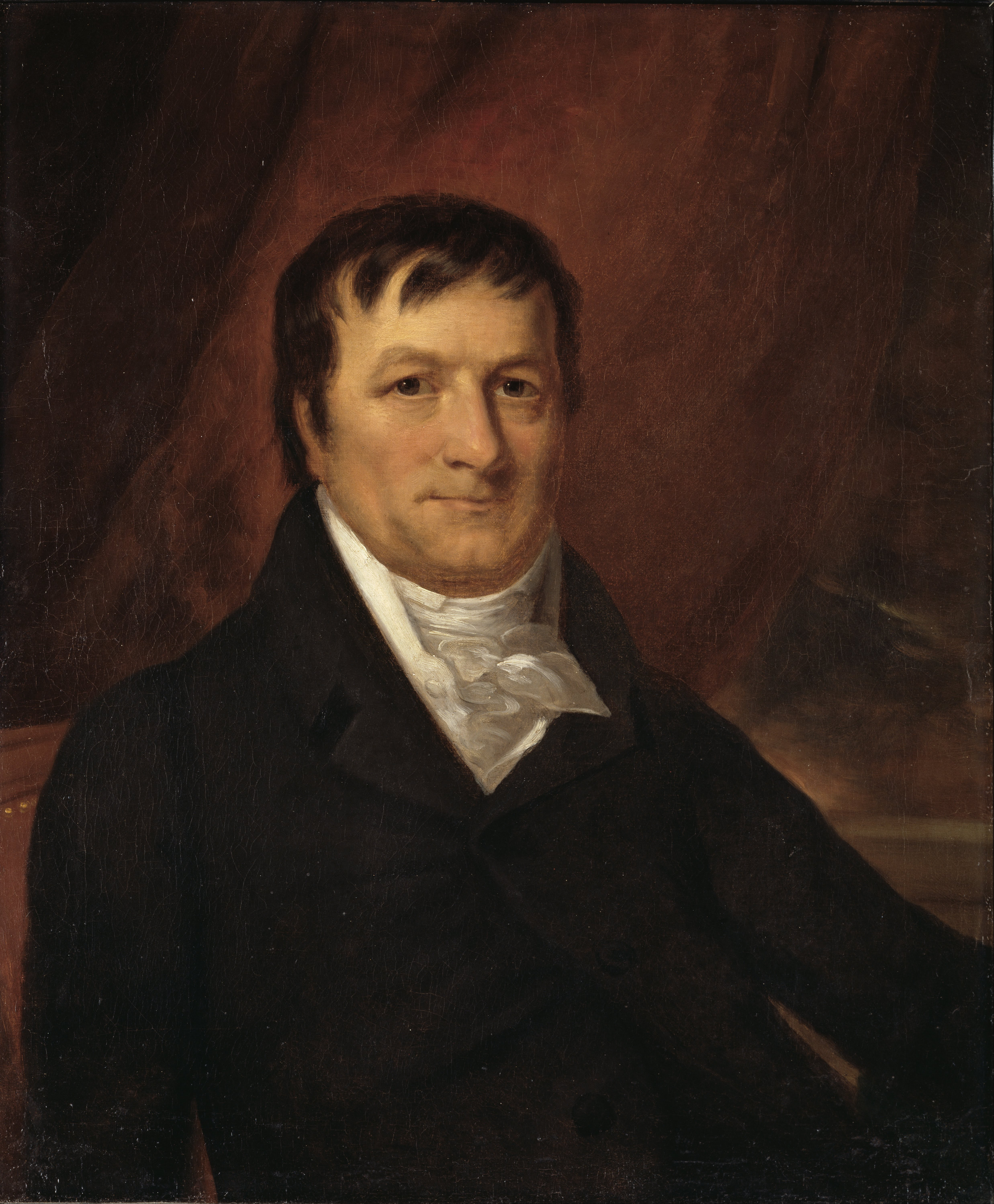
John Jacob Astor understood that edge better than most men of his age. He entered the fur trade when the young United States was still defining itself, built scale in one of the country’s most lucrative early industries, and then made a far colder move: he converted trade profits into Manhattan land.
That second move is why the Astor story matters. Fur made him rich. Real estate made the family permanent.
The World Before the Fortune

In the late eighteenth and early nineteenth centuries, fur was not a quaint historical detail. It was a serious global business connected to fashion, frontier networks, and the expanding commercial reach of North America. Demand for pelts tied distant territories to export markets, and men who could coordinate that trade could make fortunes before the country had many other large-scale industries.
The United States itself was still young, fluid, and geographically unfinished. Fortunes could still be assembled from trade rather than manufacturing, and commercial information was uneven enough that sharp operators could exploit distance and timing. Astor saw both the immediate and the eventual opportunity. The immediate opportunity was the fur trade. The eventual opportunity was New York.
The Rise

Astor came to the United States from Germany and built himself inside trade rather than inherited status. His instincts were commercial from the start. He worked through the networks that bought, moved, and sold pelts, learning how margins were shaped by geography, transport, and access to markets rather than by romantic frontier mythology.
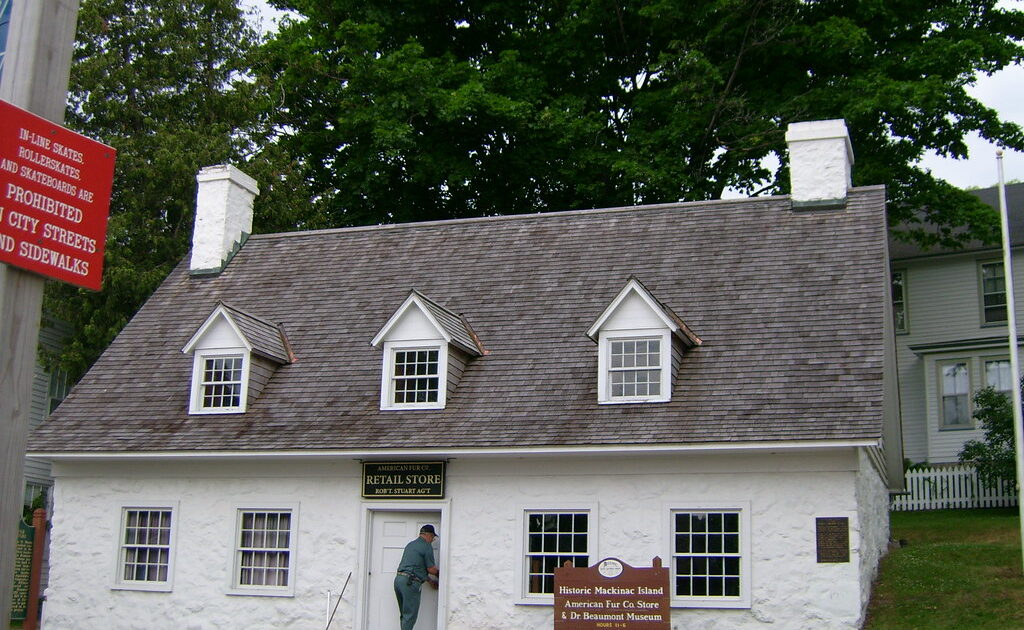
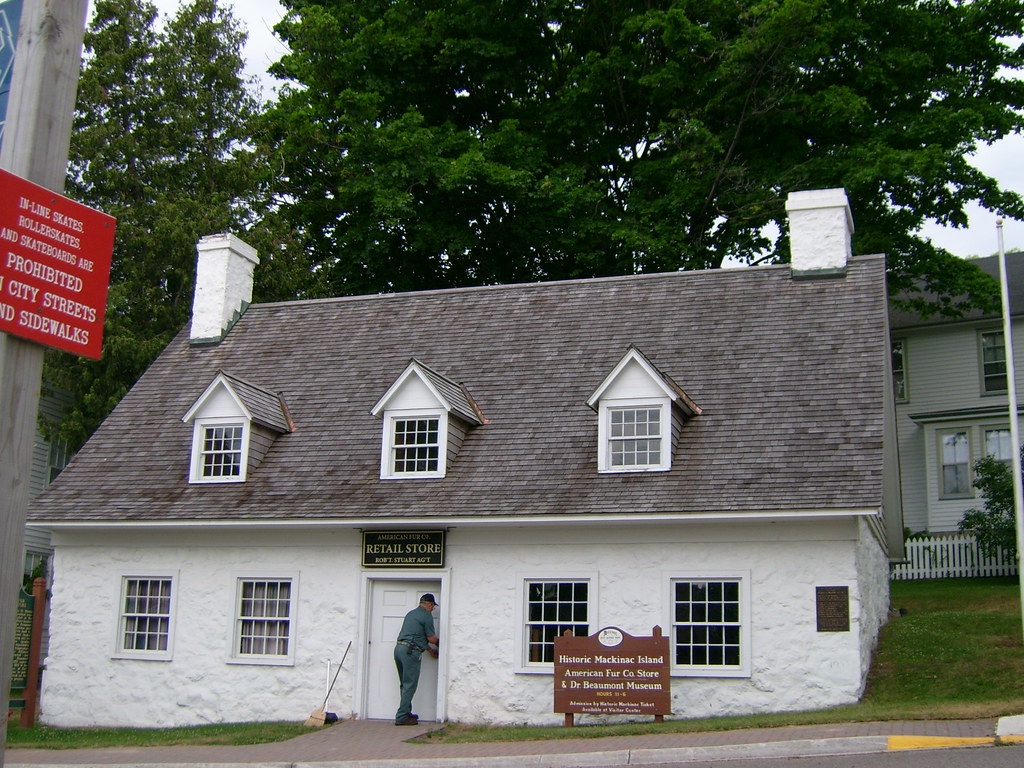
The American Fur Company, founded in 1808, helped organize that ambition at a larger scale. Through it, Astor pursued reach, coordination, and dominance in a business where fragmented operators could still be beaten by someone with more capital and better logistics. He was not simply a trader. He was designing a system for extraction and distribution.
War and political disruption complicated the business, but they also reshaped the competitive field. The War of 1812 and related pressures altered the trade landscape, and Astor proved resilient enough to emerge with stronger relative position. Crisis often removes weaker rivals faster than it removes the strongest planner.
The Expansion of Power

What truly separated Astor from a merely successful merchant was what he did with the money after it was made. Many frontier fortunes are spent. Astor’s was redeployed. He recognized that New York’s expansion would make land increasingly scarce, prestigious, and structurally powerful. So he bought property while much of the city still looked unfinished.
This was not glamorous in the immediate sense. Land can look inert compared with trade. But that is precisely why the move was brilliant. Fur profits were high-margin but finite. Manhattan land, if selected well and held patiently, could appreciate for generations. Astor was converting active commercial risk into passive urban inevitability.
By the time the Astor name became synonymous with elite New York wealth, the underlying transformation had already occurred. The frontier had financed the city. A trade fortune had become a property dynasty. That is one of the cleanest strategic transitions in American wealth history.
The Hidden Strategy Behind the Fortune

The hidden strategy behind the fortune was capital migration. Astor did not cling emotionally to the business that made him rich. He used it. Then he moved the profits into an asset with stronger long-term scarcity. That is the kind of decision that separates a wealthy operator from a dynasty builder.
He also understood that geography changes value over time. In one phase of American history, frontier routes and pelts mattered most. In the next phase, urban land near the center of finance and commerce mattered more. Astor played both phases correctly.
Most people over-identify with the business that made them successful. Astor treated success as fuel. Manhattan property did not simply preserve capital; it changed the family’s relationship to time. Trading wealth has to keep moving. Urban land in the path of a rising commercial capital can sit still and grow more powerful while the city reorganizes itself around it.
The Cost, Risk, or Decline

The Astor model also had shadows. Frontier wealth in the United States was inseparable from contested land, indigenous displacement, and the harsher realities of expansion. Any serious treatment of early American fortune has to remember that the map was not empty just because investors behaved as if it were.
Even so, in strategic terms, the family demonstrated one of the most durable patterns in wealth history: a first fortune built in motion and a lasting fortune built in land. Their later social prominence was the visible outcome. The real masterstroke happened earlier, when the profits changed form.
Lessons for Modern Business Readers

1. Treat your first fortune as fuel, not identity
Astor’s greatest move came after the fur profits arrived. He did not worship the first engine. He redeployed it.
2. Move from high-margin cash flow into scarce long-term assets
The pattern still works today. Fast money is useful, but enduring wealth usually sits inside assets that cannot be easily replicated.
3. Geography is strategy
Astor understood that value migrates across space over time. Markets reward the people who can see the next important location before it looks obvious.
4. Timing matters more than prestige
New York land was not yet the polished symbol it would later become. Strategic buying often looks plain before it looks brilliant.
5. Crisis can strengthen the disciplined operator
Disruption in the trade landscape did not kill Astor. It helped separate him from weaker rivals.
6. Dynasties are built when capital changes form
Trade made the Astors wealthy. Property made them historical. Every modern industry has its own version of routes, chokepoints, and recurring flows. The challenge is to identify them early and build enough discipline around them that success compounds instead of dispersing.
Book Recommendation
For readers who want the best next step, start with The Astor Orphan by Alexandra Aldrich. It is the right Amazon follow-up for this topic because it gives the wider historical context behind the fortune, the machinery of power, and the strategic logic that made the story endure.