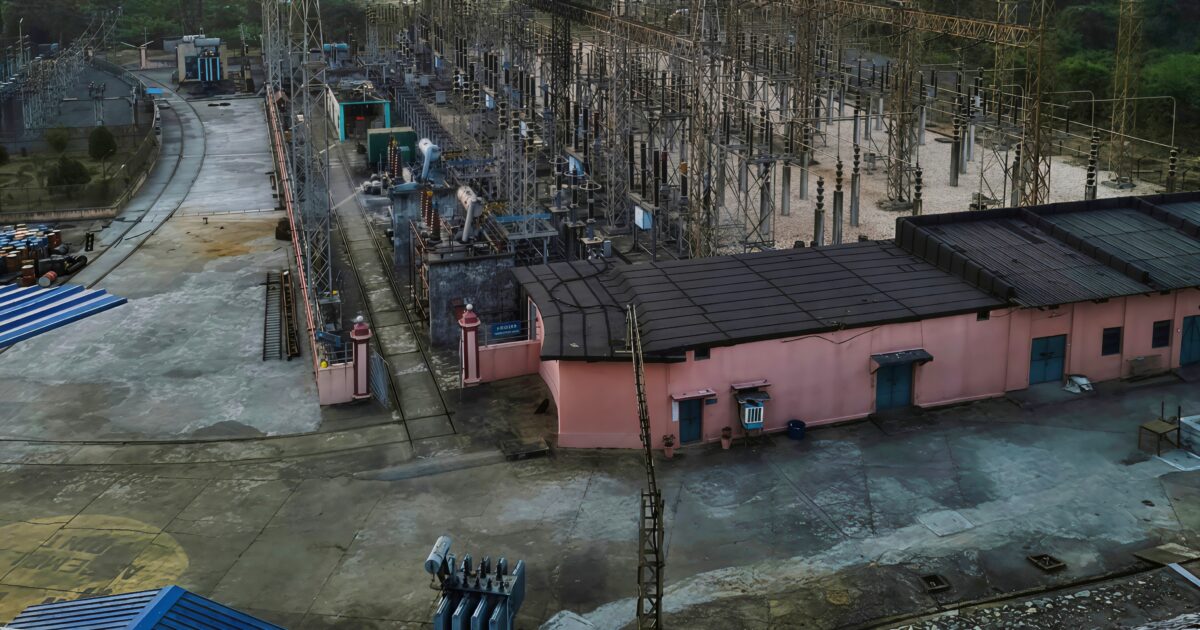
The AI buildout may be constrained not by chips, capital, or even grid capacity — but by the heavy electrical equipment that converts high-voltage transmission power into the form data centers can use.
Large power transformers — the massive steel and copper devices that step voltage up and down at transmission interconnection points — are now among the most consequential bottlenecks in AI infrastructure development. A data center campus that has secured a site, arranged financing, ordered GPUs, and signed power purchase agreements can still wait eighteen months to three years for transformer delivery. The critical path through the AI buildout runs, in many cases, directly through a transformer factory.
This is not a story that appears in headlines about GPU shortages or data center land prices. It is exactly the kind of hidden chokepoint that the Hidden Fortunes archive has documented across multiple eras: the unglamorous physical component that determines the pace of the entire system.
The World Before the Fortune
Large power transformers are not commodities. They are custom-engineered, individually manufactured devices that weigh hundreds of tons and must be designed to the specific voltage and capacity requirements of each installation. The manufacturing process requires specialized steel for the magnetic core, high-voltage copper or aluminum winding, and proprietary insulation systems. Lead times under normal conditions run twelve to twenty-four months. Under constrained conditions, they run longer.
The transformer manufacturing industry is concentrated in a small number of facilities globally. In the United States, large power transformer manufacturing capacity contracted significantly during the 1990s and 2000s as utilities sought lower-cost imports and domestic manufacturers faced margin pressure. The result is that U.S. transformer manufacturing capacity is modest relative to current demand — and has limited ability to surge quickly because the specialized production equipment and skilled labor cannot be created on short notice.
This supply structure was adequate for the gradual load growth of the pre-AI era. Utilities planned transformer replacements years in advance, and the industry’s backlog was manageable. The AI infrastructure buildout changed the demand picture dramatically in a very short time.
The Rise
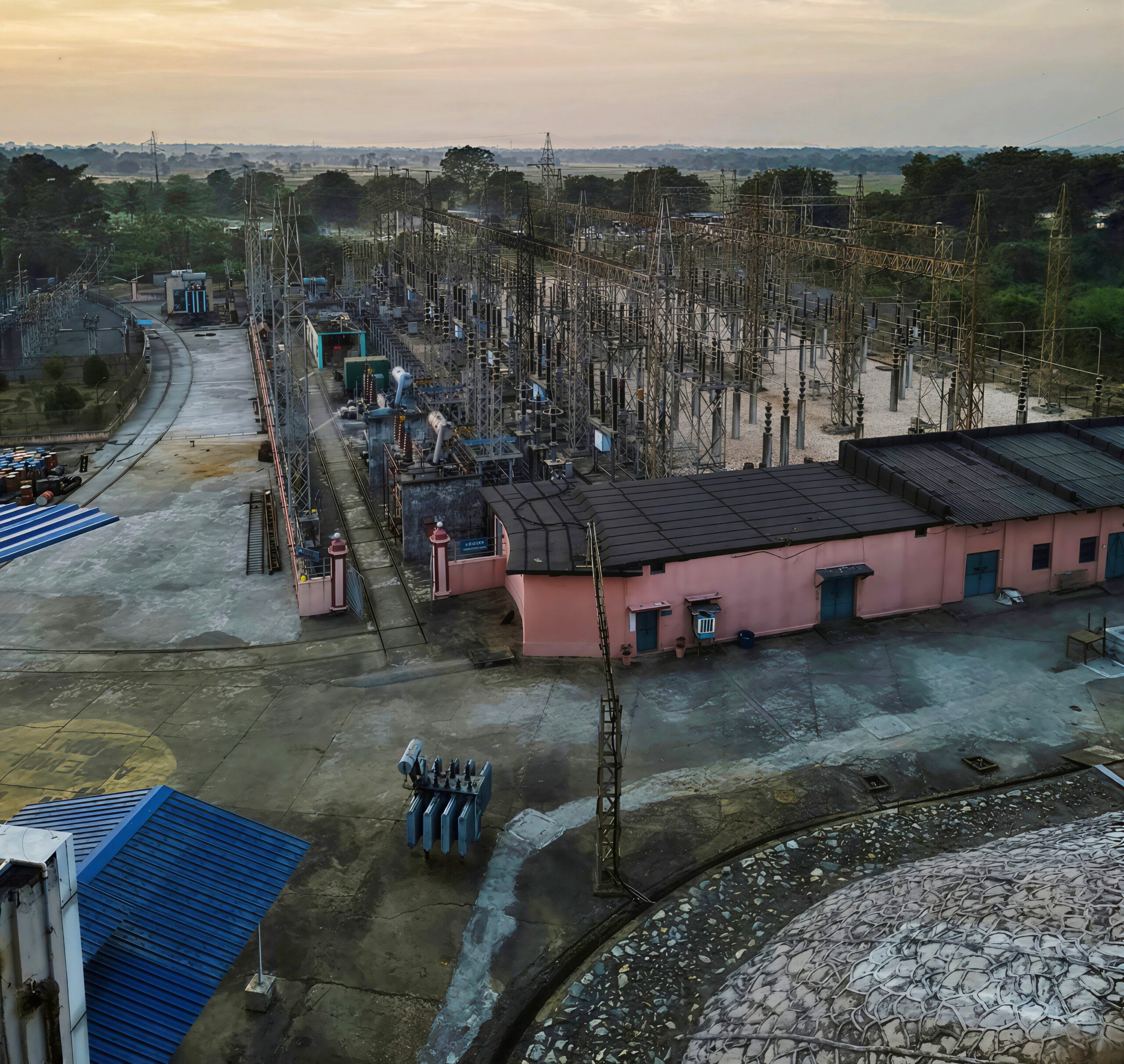
The data center land rush created a wave of interconnection requests that hit utilities and their equipment suppliers simultaneously. Each new data center campus requires one or more large power transformers at the point of grid interconnection. Many also require distribution transformers throughout the site. A campus consuming a hundred or more megawatts may require multiple large units, each of which must be custom-manufactured.
The surge in interconnection requests — which in some regions grew by five to ten times within a few years — created order backlogs at transformer manufacturers that stretched delivery timelines from twelve months to two or three years. Companies that had not secured transformer orders early in the planning process found themselves unable to take grid delivery on their planned schedule, regardless of how quickly they could build the physical data center facility.
The transformer bottleneck interacts with the interconnection queue problem to create compounding delays. Utilities that want to connect new data center loads must upgrade their substations and transmission facilities — which also requires transformers. The transformer shortage affects not just the data center customer but the utility infrastructure that would serve it.
The Expansion of Power
The transformer shortage has created a secondary market dynamic that resembles the GPU spot market in miniature.
Companies that had placed early transformer orders and subsequently changed their capacity plans have, in some cases, been able to sell or assign their order positions to other buyers at significant premiums. Transformer delivery slots have become negotiable assets. The shortage has also accelerated interest in alternatives to custom-manufactured large transformers: smaller modular substation designs, on-site generation that reduces the transmission interconnection requirement, and behind-the-meter power systems that partially bypass the need for utility-scale transformer capacity.
The shadow power grid strategies that hyperscalers are pursuing — private generation, direct transmission interconnections, nuclear power agreements — are partly a response to the transformer bottleneck. A data center that generates its own power on-site does not need to wait for a utility substation transformer. The bottleneck creates an additional incentive to vertically integrate into power generation.
The manufacturing constraint is also creating investment interest. Private equity and infrastructure funds have begun acquiring or investing in transformer manufacturers, recognizing that the supply constraint creates pricing power for manufacturers that can deliver on the current schedule. The equipment bottleneck, like the GPU shortage, is attracting capital that did not previously flow to this segment of the infrastructure market.
The Hidden Strategy Behind the Fortune
The transformer bottleneck is a physical manifestation of the underinvestment problem that runs through the entire power infrastructure sector.
Decades of low load growth, utility margin pressure, and deregulation that discouraged long-term infrastructure investment left the power equipment manufacturing sector with limited capacity relative to the demand that AI infrastructure buildout has created. The constraint is not a result of malice or monopoly strategy. It is the result of a capital allocation logic that prioritized near-term cost efficiency over long-term capacity resilience.
The companies that recognized this constraint early — that understood transformer lead times would become the critical path through data center development — had the opportunity to place orders before the backlog built, to design facilities around the transformer capacity they could secure, and to use transformer delivery as a competitive differentiator. Those that did not recognize it are constrained in ways that cannot be resolved quickly.
This pattern recurs throughout the Hidden Fortunes archive. The entity that secures the scarce enabling input before the market recognizes scarcity holds a structural advantage over every competitor who arrives later. Whether the input is bauxite rights, pipeline capacity, refrigerator car fleets, or transformer delivery slots — the logic is identical.
The Cost, Risk, or Collapse
The transformer bottleneck creates several categories of risk for the AI infrastructure buildout.
Project delay is the most immediate. Data center campuses that cannot take grid delivery cannot generate revenue. The cost of delay includes both the carrying cost of capital committed to site development and the opportunity cost of compute capacity that is not available to customers.
The ratepayer revolt intersects with the transformer bottleneck in a specific way: utility infrastructure upgrades that require new transformers impose costs on the utility that must be recovered from ratepayers. If the utility is upgrading its substation primarily to serve a data center customer, and that upgrade requires expensive custom equipment with long lead times, the cost allocation question becomes more politically contested.
The longer-term risk is that the transformer shortage accelerates the bifurcation of AI infrastructure into hyperscale operators with sufficient capital and foresight to secure equipment early, and smaller operators who cannot compete on the critical path for physical infrastructure. The transformer bottleneck, like the GPU shortage before it, rewards scale and early commitment — and punishes late arrivals.
Lessons for Modern Business Readers
The critical path is often in the unglamorous component. The AI buildout’s most visible constraints are GPUs and land. The actual critical path, for many projects, runs through transformer lead times. The strategic insight is always in the component that the market is not watching yet.
Long lead times are competitive moats for early movers. A company that placed transformer orders eighteen months before competitors realized they needed them has a structural timing advantage that cannot be quickly reversed. Physical supply chain lead times create competitive asymmetries that are real and durable.
Underinvestment in manufacturing capacity creates pricing power. Transformer manufacturers that had maintained capacity through the low-demand years found themselves with pricing power when demand surged. The suppliers who survived the lean years held a position that could not be quickly replicated.
Infrastructure dependencies compound across the supply chain. The transformer shortage delays utility substation upgrades, which delays interconnection approvals, which delays data center commissioning, which delays GPU deployment. Each layer of the stack depends on the one beneath it. Resilience requires understanding these dependencies in advance.
Equipment shortages create market incentives for architectural change. The transformer bottleneck has accelerated interest in behind-the-meter generation, modular substation designs, and other technical alternatives that reduce dependence on the bottlenecked component. Scarcity drives innovation in the supply architecture, not just the product architecture.
How This Fits the Hidden Fortunes System
The Transformer Bottleneck completes the Hidden Fortunes coverage of the AI infrastructure buildout by identifying the physical hardware constraint that links the capital story — how data centers are financed — to the power story — how they actually receive the electricity they need. It connects the data center land rush, the HBM memory scarcity, the ratepayer revolt, the shadow power grid, and the green tariff bargain into a complete map of the enabling constraints on AI infrastructure.
The pattern across all of these stories is the same: the AI buildout is not constrained by a single bottleneck but by a stack of bottlenecks — chips, memory, land, permits, power, transformers, transmission — each of which creates strategic opportunity for whoever controls it and strategic risk for whoever depends on it without having secured supply.
Conclusion
The Transformer Bottleneck shows that the most advanced technological buildout in recent American history is ultimately constrained by the same kind of unglamorous physical hardware that has constrained every prior infrastructure boom.
The AI era’s chokepoints are not all digital. Some of them are steel and copper, manufactured in facilities that cannot be quickly scaled, delivered on schedules measured in years, and impossible to substitute in the short run. The entity that understands this — and positions itself accordingly — has found the Hidden Fortune beneath the visible AI race.
Further Reading
For readers who want to understand how physical infrastructure constraints shape the pace and competitive structure of technology buildouts, the history of grid infrastructure development — from the electrification era through the current AI buildout — reveals a consistent pattern: the enabling hardware layer is always the last thing the market notices and the first thing that constrains the system’s growth.