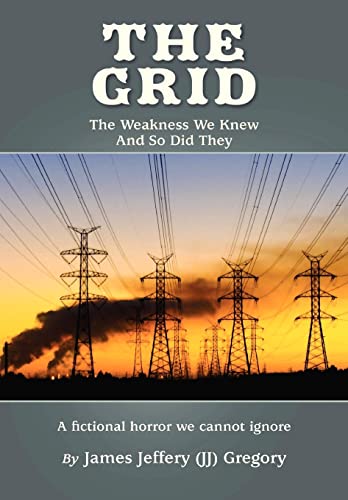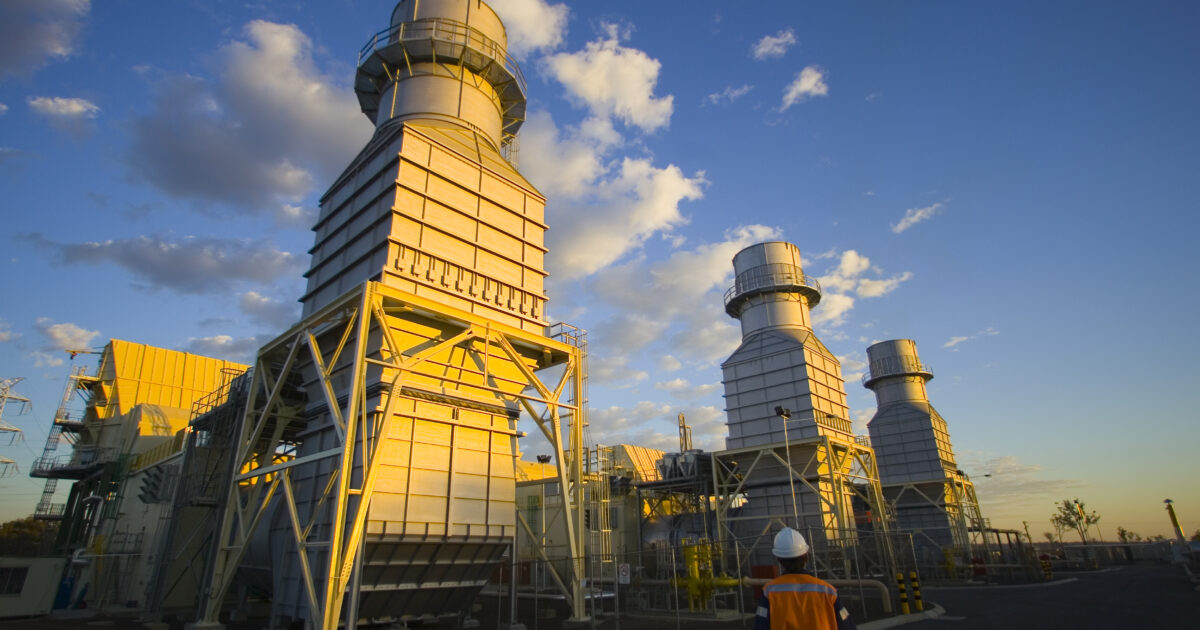
When public grids cannot expand fast enough, private energy becomes the quiet moat behind private compute.
The most significant strategic development in AI infrastructure since the GPU shortage is happening quietly, in power purchase agreements, private transmission interconnections, and direct deals between hyperscalers and energy producers that never appear in public utility rate filings. The largest technology companies in the world are building what amounts to a shadow power grid — a layer of dedicated private energy infrastructure that sits beneath the public grid and serves only the customers who control it.
This is not illegal. It is not even new. But it is changing the competitive structure of AI infrastructure in ways that are not yet fully visible.
The World Before the Fortune
For most of the twenty-first century, data centers connected to the public grid like any other large industrial customer. They negotiated favorable tariff rates, signed long-term power purchase agreements, and competed on the basis of utility reliability and electricity cost. The grid was a utility, not a competitive advantage.
The AI buildout has changed the calculus. Training frontier AI models requires sustained, predictable high-power delivery at scales that many regional grids cannot currently provide — not because the physical electrons are unavailable, but because the transmission and distribution infrastructure needed to deliver them to new data center sites is subject to interconnection queues measured in years, not months.
The data center land rush ran directly into grid interconnection queues. A company that secures a data center site and begins construction may wait three to five years for a utility interconnection agreement — a timeline that is incompatible with the pace of AI competition. The companies that can afford to bypass the queue do so. The shadow power grid is the mechanism of that bypass.
The Rise
The shadow power grid takes several forms, each representing a different point on the spectrum from public grid dependence to private energy independence.
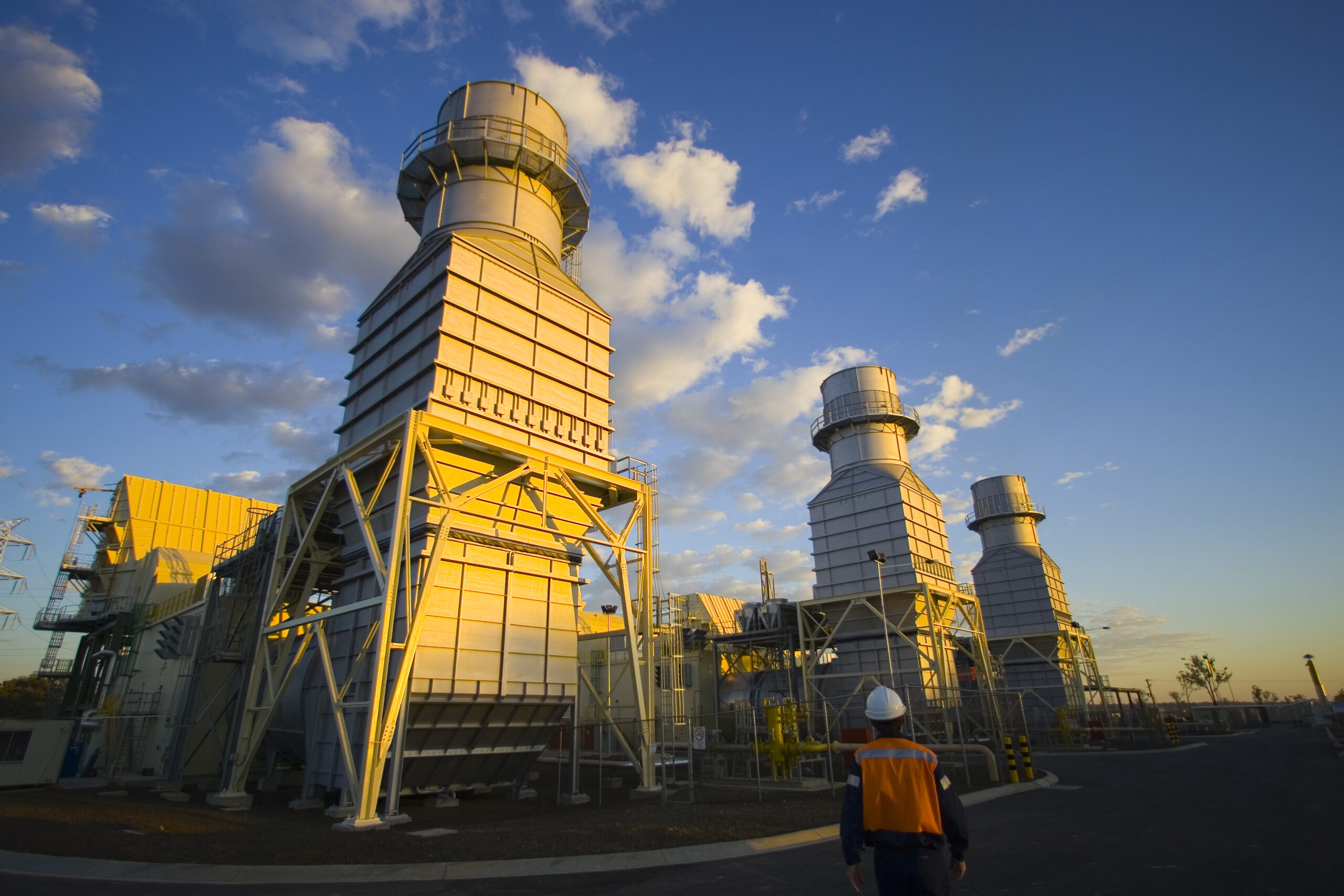
The most direct form is behind-the-meter generation: a data center builds or contracts for generation capacity — solar, gas, or nuclear — that connects directly to the facility without passing through the utility grid. The facility may still take some power from the grid, but its primary supply is private. This eliminates interconnection queue exposure and provides scheduling flexibility that utility service cannot match.
The second form is dedicated utility service — a data center that negotiates a specific generation asset or transmission path with a utility, effectively ring-fencing capacity for its exclusive use. These arrangements are unusual in regulated markets but are appearing in jurisdictions where utilities are willing to offer them to attract anchor customers.
The third form is direct investment: a hyperscaler or data center operator acquires stakes in generation assets, transmission companies, or energy project developers. Microsoft’s agreement to restart the Three Mile Island nuclear plant, Amazon’s investments in nuclear power development, and Google’s partnership with nuclear developers represent a new category of energy investment that has no precedent in the history of commercial computing.
The Expansion of Power
The strategic significance of private power control compounds with scale.
A hyperscaler that controls its own power supply is insulated from the grid interconnection delays and ratepayer opposition that constrain competitors who depend on utility service. As AI infrastructure financing has become more sophisticated, power certainty has become part of the underwriting criteria for data center projects. A project with secured private power has lower development risk than one that depends on utility interconnection — and is therefore easier to finance.
The compounding effect is that early movers in private power acquisition build advantages that are difficult to replicate quickly. Interconnection queue positions, nuclear power agreements, and dedicated transmission paths are not available on demand. They require years of development and capital commitment. Companies that made these investments in 2023 and 2024 are securing operational positions that competitors cannot easily obtain in 2025 and 2026.
This mirrors the historical pattern of the electricity trusts of the Gilded Age — the private utility consolidations that controlled power generation in specific geographies before public regulation standardized access. The logic is the same: control the energy supply, and you control the pace and cost of industrial development in that geography.
The Hidden Strategy Behind the Fortune
The hidden strategy of the shadow power grid is converting energy certainty into compute moat.
In a world where public grid access is constrained, the company with reliable private power can run its AI training and inference workloads on the schedule its business requires rather than the schedule the grid can support. The power advantage translates directly into model development speed, inference capacity, and customer reliability — competitive dimensions that compound over time.
The more subtle dimension is what private power does to geography. Data centers have historically located near cheap power and population centers. Private power access opens new geographic possibilities: a hyperscaler that can bring its own power can build in locations with favorable land costs, water access, or regulatory environments that were previously impractical because they lacked grid infrastructure. The constraint that shaped the previous generation of data center geography is being removed — for the companies that can afford to remove it.
The Cost, Risk, or Collapse
Private power investment at hyperscaler scale creates risks that utility-dependent competitors do not face.
The capital commitment is substantial. Nuclear power agreements, long-term gas contracts, and transmission investments tie up capital for decades. If AI infrastructure demand declines — from model efficiency improvements, market saturation, or competitive disruption — private power assets become stranded liabilities rather than competitive advantages.
The regulatory risk is also significant. Private power arrangements that effectively withdraw large loads from the public grid can trigger regulatory responses. Utilities that lose high-value industrial customers face fixed cost recovery problems that affect remaining ratepayers. State utility commissions have jurisdiction over much of the relevant infrastructure and can impose conditions on private power arrangements that reduce their value.
The ratepayer revolt and the shadow power grid are two sides of the same dynamic: as private power becomes a competitive tool for hyperscalers, the public grid is left with the infrastructure obligations and customer base that private arrangements have bypassed. The political and regulatory response to this bifurcation is still forming.
Lessons for Modern Business Readers
Infrastructure control converts into competitive moat. Private power is not primarily a cost story. It is a reliability and scheduling story. The company that controls its energy supply controls the pace of its AI development in ways that utility-dependent competitors cannot match.
Queue bypass is a durable advantage in constrained systems. Public grid interconnection queues are measured in years. Private power investments that bypass the queue create time advantages that compound as the queue lengthens.
Capital investment in infrastructure creates long-dated obligations. Nuclear agreements and gas contracts commit capital for decades. The strategic calculus is correct only if AI demand justifies the commitment at that horizon — a bet that is not without risk.
Private infrastructure bifurcation creates public regulatory risk. Utilities that lose their largest customers to private power arrangements face stranded cost problems. The political response — requiring private power operators to contribute to shared infrastructure costs — is predictable and already forming.
Energy geography is being restructured. Private power opens new data center geographies. This matters for real estate, permitting strategy, and competitive positioning in markets where existing hyperscale concentration has driven up land and power costs.
How This Fits the Hidden Fortunes System
The Shadow Power Grid connects the historical story of private utility control — which Hidden Fortunes has covered through the electricity trust era — to the modern story of hyperscaler power investment. The mechanism is identical: control of generation and transmission infrastructure creates competitive advantages that cannot be replicated on short timelines.
It bridges the green tariff procurement layer — what companies buy from public utilities — with the private generation layer that is emerging beneath it. Together, these two articles map the full spectrum of how AI infrastructure companies are managing their relationship with a public grid that cannot keep pace with their demand.
Conclusion
The shadow power grid is not a conspiracy. It is a rational response to a public infrastructure system that cannot expand fast enough to serve the pace of AI development. Companies with capital and strategic foresight are building private energy infrastructure that converts grid constraints into competitive moats.
The pattern is familiar from every infrastructure boom in American history. The entities that control the enabling infrastructure — energy, transportation, communications — extract durable advantages from every participant who depends on it. In the AI era, private power is that infrastructure. And the companies building it are learning the oldest lesson in the Hidden Fortunes archive: find the chokepoint before the market does.
Further Reading
For readers who want to understand how private infrastructure control creates competitive moats in modern compute markets, the history of the electricity trusts of the Gilded Age offers the essential structural context — showing how control of generation and transmission defined industrial competition a century before data centers existed.